Real-Time Analytics: The Key to Effective, Rapid Decision-Making with Daysum
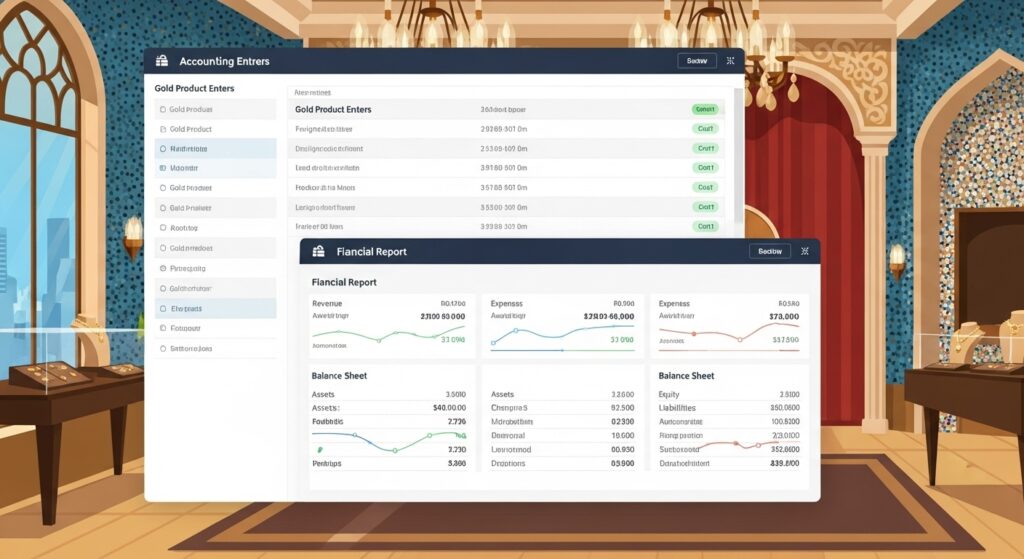
The architecture of modern commerce has undergone a profound metamorphosis. The days of relying on retrospective, end-of-month reporting to guide corporate strategy are definitively over. In today’s hyper-accelerated economic environment, organizations that wait for historical data to compile are organizations that are fundamentally operating in the past. To capture market share, mitigate emerging risks, and outmaneuver competitors, corporate leadership requires immediate, unadulterated visibility into their operations as they occur. This is the domain of real-time analytics. It serves as the absolute critical element for success, representing the pinnacle of an organization’s digital transformation journey. By leveraging the immense computational power of sophisticated cloud-based ERP solutions, enterprises can bypass the latency of traditional data processing. Daysum sits at the vanguard of this technological revolution, engineering advanced, fully integrated architectures that transform raw, continuous data streams into actionable intelligence, empowering Saudi companies to navigate complex market dynamics with unprecedented precision and operational efficiency. For specialized retail sectors where asset values fluctuate by the minute, this capability is not merely advantageous; it is existential. Upgrade your enterprise architecture with our highly calibrated gold inventory system, meticulously tailored to provide jewelry manufacturers and bullion traders with the exact, instantaneous oversight required to protect profit margins and optimize stock levels across multiple branches. Deconstructing Real-Time Analytics: The Mechanics of Instant Insight To fully grasp the magnitude of this technology, one must distinguish it from legacy data methodologies. Traditionally, organizations utilized “batch processing.” In this model, data generated by sales, inventory movements, or human resources was collected over a specific period—a day, a week, or a month—and then processed in a massive, resource-heavy batch. The resulting reports told managers what had happened, offering a purely historical perspective. Real-time analytics completely dismantling this delayed framework. It involves the continuous ingestion, processing, and visualization of data at the exact millisecond it enters the system. Utilizing advanced technologies such as in-memory databases and event-stream processing, this methodology delivers insights on the spot. When a customer executes a transaction in Riyadh, the inventory levels in the central warehouse, the financial ledgers in the accounting department, and the predictive demand models are all updated simultaneously. The Paradigm Shift: Batch Processing vs. Real-Time Analytics To visualize the structural differences and operational impact, consider the following comparative analysis: Architectural Metric Traditional Batch Processing Continuous Real-Time Analytics (Daysum Ecosystem) Data Velocity Stagnant; processed in scheduled, delayed intervals. Dynamic; processed instantaneously upon generation. Operational Visibility Retrospective (Looking at the past). Immediate and Predictive (Navigating the present and future). Error Resolution Reactive; anomalies are discovered long after they occur, compounding damage. Proactive; automated alerts trigger immediate intervention protocols. Customer Experience Generic; reliant on historical demographic trends. Hyper-personalized; adapting to live behavioral data during the interaction. Resource Allocation Static planning; inflexible to sudden market disruptions. Agile maneuvering; capital and labor are reallocated dynamically as conditions shift. The Strategic Imperative for Businesses in Saudi Arabia The Kingdom of Saudi Arabia is currently executing one of the most ambitious economic diversification strategies in global history. Vision 2030 has catalyzed massive infrastructural development, fostered an influx of foreign direct investment, and created a fiercely competitive commercial ecosystem. In this elevated arena, the margin for error is microscopically thin. Success for leading Saudi enterprises now relies entirely on the velocity and exactitude of their decision-making apparatus. Immediate Response to Micro-Economic Fluctuations Global supply chains remain highly volatile, and consumer demand can pivot overnight. Real-time analysis provides executive teams with a live dashboard of their entire operational footprint. If a particular product line experiences a sudden spike in demand, or if a supplier encounters a logistical bottleneck, the system highlights these anomalies instantly, allowing leadership to deploy rapid countermeasures, secure alternative sourcing, or adjust pricing algorithms before a crisis materializes. Cultivating Exceptional Customer Journeys The modern Saudi consumer is highly connected and expects seamless, intuitive brand interactions. By analyzing customer touchpoints instantly—from website navigation patterns to point-of-sale transactions—businesses can curate profoundly personalized experiences. This capability ensures that marketing offers are contextually relevant and deployed at the exact moment of highest conversion probability, thereby dramatically enhancing brand loyalty and lifetime customer value. Achieving Maximum Operational Output Waste—whether it be idle labor hours, excess inventory depreciation, or inefficient energy consumption—is the silent destroyer of profitability. Real-time analytics supports the absolute optimization of resource management. By constantly monitoring output metrics across manufacturing lines or logistical fleets, Daysum’s integrated platforms identify microscopic inefficiencies, allowing managers to tighten operations, reduce overhead costs, and drastically increase overall productivity. Sector-Specific Transformations Powered by Living Data The theoretical benefits of continuous data processing manifest in highly tangible ways across distinct industries. Daysum’s architecture is deliberately engineered to address the unique complexities of various sectors within the Middle Eastern market. The Precious Metals & Jewelry Sector The gold and jewelry industry operates at the intersection of high-value asset management and volatile global commodities trading. A delay of mere hours in pricing adjustments or inventory auditing can result in catastrophic financial losses. Utilizing a sophisticated ERP infrastructure guarantees that your retail and wholesale operations are perfectly synchronized with global market indices. When a transaction occurs, the system not only updates the financial ledger but recalculates the entire valuation of the remaining stock. This level of granular control is further augmented when utilizing specialized tools like the gold karat conversion calculator, which allows floor staff and procurement officers to instantly and flawlessly determine the exact purity and market value of incoming materials, entirely removing human error from complex metallurgical mathematics. Modern Manufacturing and Supply Chain Logistics For industrial operations, equipment downtime is exceptionally costly. Real-time analytics integrates directly with Internet of Things (IoT) sensors embedded in manufacturing machinery. This creates a continuous stream of telemetry data regarding temperature, vibration, and output speed. Instead of waiting for a machine to break down (reactive maintenance), the Daysum system utilizes predictive algorithms to identify the microscopic warning signs of component failure, scheduling preventative maintenance during non-peak hours and ensuring uninterrupted production cycles. Financial Services and Strict Regulatory Compliance The financial landscape in Saudi Arabia is