
Gold ERP

Jewelry ZATCA E-invoicing

ZATCA Phase 2 E-Invoicing for Saudi Jewelry Stores

Understanding Regulatory Compliance in Retail Operating a high-value retail business in Saudi Arabia requires absolute precision in accounting and taxation. The Zakat, Tax and Customs Authority (ZATCA) has fundamentally changed how businesses document their sales, moving from basic paper receipts to cryptographic, real-time digital reporting. This transition is not merely a software update; it is a complete overhaul of the retail checkout process. For the jewelry sector, this transition presents unique technical hurdles. Precious metals and gems are subject to complex pricing mechanisms involving daily market rates and artisanal labor costs. Standard retail software cannot process these variables while maintaining strict compliance with government mandates. Implementing a dedicated Jewelry ZATCA E-invoicing system powered by Daysum ensures that your operations remain fully legal, avoiding heavy fines while streamlining your daily financial reporting. This guide dissects the technical requirements of Phase 2, the exact mechanics of taxing precious metals, and how Daysum automates the entire compliance workflow. What Are the ZATCA Phase 2 Rules? The Saudi tax authority rolled out the e-invoicing initiative in two distinct phases. Phase 1 (Generation) simply required businesses to stop writing manual invoices and use an electronic system to generate a POS receipt featuring a basic QR code. Phase 2 (Integration), however, is significantly more complex and rigorous. The Core Requirements of Integration Under Phase 2, a jewelry store’s point-of-sale system must communicate directly with the Fatoora portal (the central ZATCA server). This integration enforces a strict set of cryptographic rules: The Risks of Non-Compliance Failing to comply with these rules—whether by using unapproved software, attempting to edit an invoice after issuance, or failing to report transactions within the time limit—results in severe consequences. The tax authority imposes escalating financial fines, and repeated violations can lead to the suspension of your commercial registration or the forced closure of your physical store. Splitting Metal vs Labor: The VAT Calculation The most critical challenge for tax compliance jewelry systems is the legal requirement to separate the cost of the raw material from the cost of the labor. When a customer buys a gold or silver piece, they are buying two distinct things combined into one item. The Mechanics of the Split Saudi tax law dictates specific rules for how VAT applies to precious metals versus how it applies to making charges. A standard POS system will apply a flat 15% VAT to the total final price. However, specialized jewelry accounting requires granular separation to protect margins and satisfy auditors. A specialized Jewelry ZATCA E-invoicing system like Daysum automatically splits these components internally the moment the cashier scans the barcode. Table: Anatomy of a Compliant Jewelry Invoice Invoice Component Data Required by ZATCA How Daysum Handles It Seller Details Store Name, Address, VAT Number. Hardcoded into the system settings. Item Description Clear definition of goods (e.g., 18K Gold Ring). Pulled instantly from the database upon scanning. Weight & Rate Grams sold and the base metal price applied. Displayed clearly; rate is synced dynamically. Making Charges The specific labor fee applied to the item. Calculated automatically and split from the metal cost. VAT Calculation Exact 15% applied correctly to the taxable amounts. Auto-calculated with zero rounding errors. Cryptographic Data Hash, UUID, Cryptographic Stamp, Phase 2 QR. Generated in milliseconds via direct API link. When the POS receipt is printed, it satisfies both the customer’s need for transparency and the government’s need for exact tax data without requiring the cashier to perform any manual math. Managing Return Policies Under ZATCA In the retail sector, returns and exchanges are unavoidable. However, under ZATCA Phase 2, you cannot simply delete a previous invoice or hand cash back to a customer without proper documentation. Deleting a transaction breaks the cryptographic hash chain and immediately triggers an audit flag on the government portal. The Credit and Debit Note Protocol To handle return policies legally, your Daysum software must utilize electronic Credit Notes and Debit Notes. Daysum automates this. When a cashier processes a return, they simply scan the original receipt. The system automatically pulls the original UUID, generates the correct XML Credit Note, signs it cryptographically, and reports it to the Fatoora portal within the mandated 24-hour window. This ensures your tax filing at the end of the quarter is perfectly balanced. ERP Automation: Securing Your Operations with Daysum Achieving ZATCA integration is not a task you can handle with a patchwork of disparate tools. It requires a unified ERP architecture where inventory, pricing, and tax reporting are tightly bound together. Seamless Background Processing The primary advantage of using Daysum for your tax compliance jewelry needs is invisibility. The cryptographic signing, XML generation, hash chaining, and API communication with ZATCA happen entirely in the background. Your cashiers do not need to understand cryptography. They simply scan the jewelry, take the payment, and press print. Daysum’s server handles the heavy technical lifting, ensuring that the transaction is processed in under a second. This speed is vital during peak holiday seasons when long checkout lines can damage customer satisfaction. Bulletproof Tax Filing At the end of the financial quarter, preparing a VAT return is historically a stressful process involving cross-referencing hundreds of receipts. Daysum eliminates this friction. Because every transaction (Sales, Credit Notes, Debit Notes) has already been validated and accepted by ZATCA’s servers in real-time, your digital ledger matches the government’s ledger exactly. The system generates a comprehensive, one-click tax report summarizing your total taxable sales, total VAT collected, and total VAT refunded. Your accounting team simply transfers these exact, verified numbers to the tax portal, securing your business against audits and penalties. Frequently Asked Questions (FAQ) What happens if our store internet disconnects during a sale? ZATCA regulations account for temporary offline scenarios. The Daysum system will continue to generate Phase 2 compliant invoices locally, assigning the correct cryptographic hashes and UUIDs. Once your internet connection is restored, the software will automatically upload the backlog of transactions to the Fatoora portal, ensuring you meet the 24-hour reporting deadline. Do we need a separate ZATCA device,

Read more
RFID Jewelry Inventory

RFID Jewelry Tracking: 100% Accuracy in Minutes

  The Challenge of Asset Visibility in Retail For jewelry retailers managing high-value assets, knowing exactly what is in the display case, what is in the vault, and what has been sold is not just an operational requirement; it is the foundation of business security. Historically, jewelers have relied on manual counting to reconcile physical stock with accounting records. However, as stores scale and transaction volumes increase, these archaic methods become unsustainable. Modern Saudi retail environments demand technological precision. Implementing an RFID Jewelry Inventory system, particularly one integrated directly into a specialized platform like Daysum, fundamentally restructures how a store handles its assets. By combining radio frequency identification with advanced software, store owners can achieve absolute stock visibility, eliminating discrepancies and protecting their capital. This guide explores the mechanics of this technology, the financial impact of adopting it, and how it directly addresses the vulnerabilities of manual operations. The Financial Drain of Manual Audit Pains Before understanding the solution, store owners must quantify the exact cost of the problem. A traditional gold shop audit is a grueling process that damages both employee morale and the store’s bottom line. Time and Labor Exhaustion A typical jewelry boutique may hold anywhere from 2,000 to 10,000 individual pieces. Conducting a manual stock audit requires staff to physically touch every single item, read the tiny tag, and check it off a printed ledger or scan it individually with a basic barcode scanner. Limitations of the Standard Barcode Jewelry System While a standard barcode jewelry system is a step up from pen and paper, it still requires line-of-sight. The employee must pick up the ring, find the tag, aim the barcode scanner, and pull the trigger. If a display tray holds 100 rings, the employee must perform this action 100 times. It is slow, tedious, and still prone to omission if two tags are stuck together. How RFID Works in Precious Metals Retail Radio Frequency Identification (RFID) solves the line-of-sight limitation. It allows a user to scan hundreds of items simultaneously from a distance. For a system managed by Daysum ERP, this technology transforms days of work into seconds. The Technical Mechanics An RFID system consists of three primary components working in unison: Executing a Minute-Long Audit With an RFID Jewelry Inventory setup, the audit process changes drastically. A manager simply opens the audit module on their tablet, picks up the handheld RFID reader, and slowly waves it over the display cases. The reader captures up to 500 tags per second. As the manager walks the floor, the screen turns green for verified items. If the database expects 450 items in a specific showcase and the reader only detects 449, the system instantly flags the discrepancy, isolating the missing piece by its exact SKU, description, and last known location. An entire store can be audited with 100% accuracy in under ten minutes, allowing management to perform daily audits without disrupting retail operations. Smart Barcode Design and Tagging Strategy Implementing RFID does not mean abandoning visual identification. The most secure methodology uses a hybrid approach, combining the radio chip with a smart barcode design. Dual-Technology Tags Jewelry tags are notoriously small because they must not obscure the beauty of the piece. A high-quality RFID tag manufactured for precious metals incorporates both technologies: Why the Barcode Remains Necessary Even with RFID handling the bulk stock audit, the physical barcode serves critical functions at the point of sale. Daysum provides specialized label printing software that encodes the RFID chip and prints the visual barcode simultaneously in one seamless step during inventory intake. Anti-Theft Benefits and Financial Security The primary ROI of an RFID system lies in theft prevention and extreme accountability. High-value retail environments face threats from both external shoplifters and internal shrinkage. Internal Accountability and “Blind” Audits When employees know the store is audited daily, internal theft drops to near zero. A robust ERP like Daysum allows management to enforce “blind audits.” In a blind audit, the employee scanning the floor with the RFID reader is not shown the expected database quantity. They merely scan the cases and submit the read data to the server. The server then calculates the variance and reports it directly to upper management. This prevents staff from manually adjusting numbers to hide missing stock. Real-Time Movement Tracking Fixed RFID readers can be installed at critical chokepoints in the store, such as the doorway between the stockroom and the showroom. If a piece of jewelry passes through this doorway, the system logs the exact timestamp. If an item goes missing, management can pull the audit log and pinpoint exactly when it left the vault, narrowing down the security camera footage required to investigate the incident. Table: Comparing Inventory Security Methods Security Aspect Standard Manual/Barcode System Integrated RFID Jewelry System Audit Frequency Monthly or Annually (due to high labor cost). Daily or per-shift (takes under 10 minutes). Theft Detection Time Weeks or months after the incident. Same-day detection. Staff Accountability Low; easy to blame paperwork errors. High; precise digital logs track all movement. Search Functionality Requires opening every box and tray manually. “Geiger counter” mode locates hidden items via radio signal. Transforming Saudi Jewelry Operations For Saudi jewelers operating under strict ZATCA regulations and managing millions of riyals in inventory, guessing is not a viable business strategy. Transitioning from manual checks to an automated RFID workflow powered by Daysum ensures that every gram of gold and every carat of diamond is accounted for. The technology recovers lost administrative hours, prevents financial shrinkage, and allows staff to focus purely on customer service and sales generation. Will the metal in the jewelry interfere with the RFID signal? Standard RFID tags suffer from interference when placed directly on metal. However, specialized jewelry RFID tags are engineered with an insulating layer or a specific antenna design (called a “flag tag”) that projects the antenna away from the metal surface, ensuring a perfect read rate even in densely packed trays of gold rings. How do we locate a

Read more
Jewelry Consignment Software

Accounting Guide for Jewelry Consignment Management

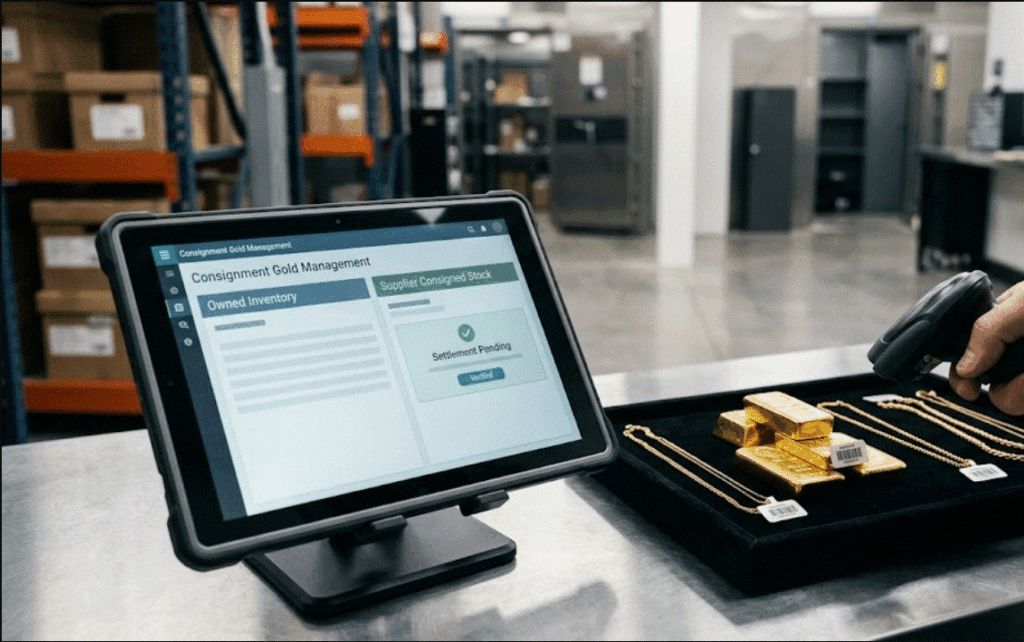
The Mechanics of Retail Inventory Sourcing Building a diverse, high-value inventory in a retail store requires immense capital. Purchasing every diamond, gemstone, and gold setting outright limits a retailer’s ability to offer a wide selection and ties up cash flow in slow-moving assets. To counteract this, the industry relies heavily on consignment, often referred to as “memo” goods. While taking goods on memo solves cash flow problems, it introduces severe accounting complexities. If a store fails to properly categorize and track these items, it risks paying taxes on unsold goods, losing track of vendor payables, and distorting its profit margins. Implementing dedicated Jewelry Consignment Software is the only reliable method to manage B2B relationships, maintain accurate financial reports, and prevent catastrophic accounting failures. This guide outlines the mechanics of memo goods, the financial risks involved, and how software automates the entire process. What is Jewelry Consignment? Consignment, in the context of retail, is an arrangement where a supplier (the consignor) provides merchandise to a retailer (the consignee) to sell, but the supplier retains legal ownership of the goods until the moment a sale is made to an end consumer. The B2B Consignment Workflow The traditional workflow for memo goods involves specific stages that must be tracked meticulously. Why Retailers Rely on Consignment The Critical Accounting Risks of Memo Goods Mixing consignment inventory with owned stock on a generic spreadsheet or a basic POS system is a recipe for accounting disasters. The legal and financial distinctness of memo goods requires precise handling within a Jewelry ERP. Inflated Asset Valuation The most common error in retail accounting is adding consigned goods to the store’s official asset ledger. Because the retailer does not own these items, their value must not be included in the company’s total asset valuation. If an accountant erroneously includes $500,000 of memo diamonds in the official inventory valuation, the business’s balance sheet will look artificially strong. This can lead to issues with business insurance, property taxes, and banking covenants. Miscalculated Cost of Goods Sold (COGS) When a consigned item is sold, the cost of that item must be recorded accurately to determine the profit margin. Generic accounting systems often apply an average cost formula across all inventory. If an expensive consigned diamond is averaged against cheaper owned diamonds, the COGS calculation breaks entirely, resulting in flawed financial reports and incorrect tax filings. Table: Owned vs. Consigned Accounting Treatment Financial Aspect Owned Stock Consigned (Memo) Stock Asset Ledger Included in total company assets. Excluded from company assets; tracked separately as third-party goods. Upfront Cost Paid immediately via cash, credit, or loan. Zero upfront cost; payable only upon successful retail sale. Inventory Audit Audited to verify owned capital. Audited to verify liability to vendors. Insurance Liability Retailer’s standard inventory policy applies. Requires specific “jeweler’s block” provisions for third-party goods. Unsold Items Must be liquidated or marked down. Returned to the vendor; no financial loss. How to Track Vendor Sales Without Confusion To prevent these accounting risks, a store must deploy specialized Jewelry Consignment Software capable of segregating data from the moment of intake through to the final sale. Tagging and Database Segregation When consigned items enter the store, the intake staff must use the ERP to flag the batch as “Memo.” Real-Time Liability Tracking A dedicated Jewelry ERP maintains a dynamic “Accounts Payable – Consignment” ledger. This ledger sits silently in the background until a sale occurs. When the cashier completes a transaction for a consigned diamond ring, the system does three things automatically: Management can open the dashboard at any time and see exactly how much money the store owes to Vendor A, Vendor B, and Vendor C based on real-time sales data. Executing Automated Vendor Settlements The final hurdle in consignment management is paying the suppliers. Vendors typically expect payment on a specific schedule (e.g., net-30 days after the sale). Manual consignment accounting requires clerks to cross-reference sales receipts with paper memo agreements—a process prone to omissions and disputes. The Automated Settlement Workflow Jewelry Consignment Software automates the settlement process to maintain strong B2B relationships and protect the store’s cash flow. By enforcing strict database rules, specialized software removes the anxiety of consignment management, allowing retailers to focus on selling high-value goods rather than untangling messy spreadsheets. Frequently Asked Questions (FAQ) Can the software handle partial payments to vendors for high-value consigned items? Yes. The vendor settlement module allows accounts payable teams to issue partial payments against a specific invoice. The system will track the remaining balance owed to the vendor for that specific diamond until the debt is fully cleared. What happens in the system if a consigned item is stolen or lost? If an item is flagged as missing during a routine inventory audit, the manager must mark its status as “Lost/Stolen” in the ERP. Because the retailer is liable for the goods, the system will automatically convert that item into an Accounts Payable invoice to the vendor, ensuring the supplier is compensated according to the memo agreement. How does the POS prevent staff from discounting a consigned item below the vendor's wholesale cost? During intake, the system logs the agreed wholesale cost. The administrator configures a strict margin rule within the software. If a salesperson attempts to apply a discount that drops the retail price below the required vendor payout amount, the POS will block the transaction and require managerial override. Is it possible to buy a consigned item outright from the vendor later? Yes. If a piece is proving highly popular and the retailer wants to secure it permanently (perhaps to gain a better wholesale rate), they can use the Jewelry Consignment Software to convert the item’s status from “Consigned” to “Owned stock.” This action triggers an immediate payable invoice to the vendor. Can the system handle consignment items that are broken down and used in custom designs? Advanced systems allow for this via a workshop module. If a retailer unmounts a consigned diamond to place it in a custom ring for a client,

Read more
Silver Shop ERP

Silver Pricing: Balancing Weight vs. Piece Sales

  Operating a silver retail business demands a distinct approach to inventory and pricing compared to other retail sectors. Silver acts simultaneously as a raw commodity subject to daily global market fluctuations and as a crafted fashion item driven by design trends. Store owners must navigate these dual identities daily. A dedicated Silver Shop ERP system fundamentally structures how a retailer calculates costs, sets selling prices, and tracks the movement of 925 sterling goods. Without precise software, businesses suffer from margin erosion, inconsistent customer pricing, and the accumulation of dead stock. This guide details the technical and financial processes required to balance weight-based pricing with piece-based sales using a modern retail POS system. Weight vs Piece Logic: How Should You Price Your Inventory? The first decision in silver jewelry pricing is determining the pricing model for each specific category of inventory. Retailers generally divide their stock into two distinct pricing categories: items sold by the gram (weight) and items sold by the unit (piece). The Mechanics of Weight-Based Pricing Weight-based pricing is the traditional standard for precious metals. It is primarily used for heavy items where the intrinsic value of the metal far outweighs the complexity of the design. Examples include heavy chains, solid bangles, and basic bullion. The Dynamics of Piece-Based Pricing Piece-based pricing is essential for intricate designs, items incorporating semi-precious stones, or branded collections where the design value significantly exceeds the raw metal value. Examples include lightweight rings, enameled earrings, and complex pendants. Table: Comparing Weight-Based vs. Piece-Based Pricing Feature Weight-Based Pricing Piece-Based Pricing Applicable Inventory Heavy chains, solid bangles, basic designs. Rings, earrings, stone-set items, designer pieces. Price Stability Fluctuates daily based on global silver rates. Fixed price, adjusted only during manual markdown/markup. Tagging Information Barcode reflects item ID and exact weight. Barcode reflects item ID and fixed price. Margin Calculation Margin is secured via a fixed percentage markup on the daily rate. Margin is calculated statically at the time of inventory intake. Customer Focus Investment value and material weight. Aesthetic appeal, brand, and design complexity. Making Charges Calculation: Securing Your Operational Profit Regardless of whether an item is sold by weight or by piece, the labor involved in its creation—the making charges—must be accurately accounted for and recouped. Miscalculating these charges directly damages the bottom line. Methods of Applying Making Charges A specialized Silver Shop ERP provides multiple methodologies for applying making charges during the intake process. Automating the Calculation at the Register When configuring the retail POS system, management defines the making charge logic for each category or vendor. When a cashier scans a silver bracelet, the system instantly executes the correct formula. The software splits the final price internally, logging the raw metal revenue separately from the labor revenue. This separation is critical for accurate accounting and tax reporting. Fast POS Checkout: Managing High-Volume Traffic Silver retail is characterized by high transaction volumes, particularly during weekends and holidays. A slow checkout process results in abandoned sales and poor customer experiences. Streamlining the Sales Interface To handle high sales volume, the POS interface must be ruthlessly efficient. Handling Returns and Exchanges Seamlessly Returns in silver retail are complicated due to fluctuating daily prices. The Silver Shop ERP dictates the policy. If a customer returns a weight-based item three days later, the system reads the original transaction receipt. It ensures the refund matches the exact amount paid on that specific date, rather than the current day’s rate, protecting the store from arbitrage losses. Profitability Reports: Turning Data into Business Strategy Data collection at the POS is useless unless it is transformed into actionable business intelligence. Profitability reports are the primary tools used by management to scale operations and clear bad inventory. Identifying and Liquidating Dead Stock Dead stock ties up capital that could be deployed into faster-moving designs. A robust ERP tracks the aging of every SKU. Analyzing Sales Volume and Margins Sales volume does not always equate to high profit margins. The system provides cross-referenced data. A specific line of lightweight, piece-priced earrings might account for 40% of the store’s total units sold but only 15% of the total profit. Conversely, heavy weight-based chains might represent 10% of units sold but 40% of profit. These insights dictate how management allocates the purchasing budget for the next quarter. Frequently Asked Questions (FAQ)   How does the POS handle a mixed basket of weight-based and piece-based items? A modern Silver Shop ERP processes both models simultaneously. The cashier simply scans the barcodes sequentially. The system automatically reads the backend configuration for each SKU, applying the daily live rate to the weight-based items and pulling the static catalog price for the piece-based items, tallying them accurately in the final subtotal. Can making charges be hidden from the customer receipt? Yes. The system configuration dictates receipt printing rules. Retailers can choose to display a single aggregated final price to the customer, while the software strictly divides the raw material cost and the makng charges internally for accounting and tax compliance purposes. What happenis to weight-based pricing if the daily silver rate crashes mid-day? Authorized managers can update the base rate in the central ERP dashboard at any time. Once saved, the new rate instantly syncs to all connected POS registers across all store locations, ensuring that any subsequent weight-based scans reflect the updated market reality. How do we track the profit margin on items where the silver price fluctuates? The ERP logs the exact metal cost on the day the item was received into inventory. When the item is sold months later, the system compares the selling price against that original historical intake cost, providing an accurate, realized profit margin calculation for that specific SKU. Does the system support selling silver by different purities, like 925 and 999? Yes. The software allows the creation of multiple metal categories. You can set separate daily baseline rates for 925 sterling and 999 fine silver. The system applies the correct rate calculation based on the purity assigned to the item

Read more
Diamond POS Saudi Arabia

Managing GIA Certificates Digitally in Your Diamond Store

The foundation of any luxury diamond business is trust. For decades, this trust has been physically manifested in the form of paper certificates from gemological laboratories, primarily the Gemological Institute of America (GIA). However, managing these physical documents presents a significant operational hurdle for modern jewelry retail operations. Handling high-value items requires absolute precision; a misplaced certificate can instantly devalue a stone or halt a high-ticket sale. Implementing a robust Diamond POS Saudi Arabia system shifts the paradigm from manual paper shuffling to seamless digital management. By migrating to a specialized point of sale system, diamond retailers can securely link physical inventory to immutable digital records, ensuring every stone’s carat weight, cut, color, and clarity are instantly accessible. This guide breaks down the process of digitizing GIA certificates, resolving inventory discrepancies, and streamlining the checkout process for high-end clientele. What Are the Main Diamond Tracking Challenges? Running a diamond boutique involves tracking hundreds or thousands of unique items, many of which look identical to the naked eye. Relying on physical documentation and manual ledgers creates several critical vulnerabilities. Document Degradation and Loss: Physical GIA certificates are printed on paper. They can be torn, stained, misfiled, or completely lost during transport, store audits, or daily handling. A missing certificate requires shipping the stone back to a laboratory for regrading, incurring shipping costs, grading fees, and weeks of lost sales time. Mismatched Inventory: Loose diamonds or identical settings are easily mixed up during customer presentations. Without a fast, digital way to cross-reference the laser inscription on the stone with the certificate at the counter, staff risk selling a stone with the wrong documentation. Time-Consuming Audits: Manual stocktakes in a diamond store require verifying both the physical piece of jewelry and its accompanying paperwork. This double-verification process forces stores to close early or pay staff overtime to complete routine audits. Data Entry Errors: Manually typing the complex details of a diamond (measurements, fluorescence, symmetry, polish, and custom map inclusions) into a basic spreadsheet or generic POS system guarantees human error. A single mistyped digit in a carat weight can dramatically alter the calculated price and profit margin. Customer Friction at Checkout: High-end buyers expect a seamless, sophisticated purchasing experience. Rummaging through filing cabinets to find the correct GIA report while the customer waits tarnishes the luxury experience. How Do You Link GIA Data to Your ERP? Solving these challenges requires direct communication between your store’s database and the issuing laboratory. Linking GIA reports to your Enterprise Resource Planning (ERP) system or Diamond POS Saudi Arabia transforms how data enters your ecosystem. The API Integration Process Modern GIA tracking software utilizes Application Programming Interfaces (APIs). An API allows your store’s software to communicate directly with the GIA’s secure database. When a new shipment of diamonds arrives, your intake team no longer types out the stone’s specifications. Input the Report Number: The staff member scans a barcode or types the GIA report number into the POS system. Data Fetching: The system sends a secure request to the GIA servers. Automatic Population: Within seconds, the software pulls down the exact specifications of the gemstone—including carat, color, clarity, cut grade, measurements, and polish—and populates your item card. Verification: The intake manager verifies the physical stone under a loupe to ensure the laser inscription matches the fetched data, then approves the entry. This direct link eliminates transcription errors and drastically reduces the time required to log new inventory. It also ensures that the terminology used in your database matches industry standards exactly. Managing Proprietary Settings and Mixed Pieces Often, retailers purchase loose stones and set them into proprietary designs. A dedicated Diamond POS allows you to link a specific GIA certificate to a new SKU created for the finished ring or necklace. If the stone is ever unmounted, the software retains the relationship, allowing you to return the loose diamond to your inventory with its digital certificate intact. Why is Diamond Inventory Automation Critical? Transitioning from static spreadsheets to automated diamond inventory control fundamentally changes retail operations. In the luxury sector, inventory is not just stock; it is tied capital. Efficient movement and tracking of this capital dictate business survival. Real-Time Stock Visibility With automated tracking, every action taken in the store updates the central database instantly. If a diamond is moved from the vault to the display case, or transferred from the Riyadh branch to the Jeddah branch, the system logs the movement, the exact time, and the staff member responsible. Dynamic Pricing Management Diamond prices fluctuate based on international markets (like the Rapaport Diamond Report) and local currency exchange rates. An automated system allows management to apply percentage markups based on real-time cost data rather than static purchase prices. If the wholesale cost of a specific carat weight bracket increases, the POS can automatically adjust the retail pricing across the entire network of stores. Table: Manual vs. Automated Diamond Inventory Feature Manual Inventory Management Automated Diamond POS System Data Entry Typed manually from physical papers; high error rate. Fetched via API directly from GIA; zero transcription errors. Stock Audits Requires matching physical stones to paper files; takes days. Completed via barcode or RFID scanning in minutes. Certificate Retrieval Searching through physical filing cabinets at the counter. Instant PDF viewing on a tablet or screen at the point of sale. Pricing Updates Recalculated and relabeled one item at a time. Bulk updates applied automatically based on global index feeds. Security Tracking Difficult to trace who last handled a specific stone. Granular audit logs track every employee interaction with a SKU. The Role of a Digital Archive in Retail The physical GIA certificate is a highly sensitive document, but it does not need to be handled daily. By creating a secure digital archive, retailers can protect the physical assets while keeping the data accessible. Storing and Retrieving Digital Assets When a GIA certificate is linked to your ERP, the system downloads a high-resolution PDF copy of the grading report. This file is stored in a secure cloud

Read more
Saudi jeweler using a gold karat calculator

7 Common (and Costly) Mistakes to Avoid When Using a Gold Karat Calculator

In the gold and jewelry business, precision is not just a virtue; it’s the bedrock of your profitability. A single miscalculation, a misplaced decimal point, or a simple rounding error can cascade into thousands of riyals in losses. This is especially true in the complex, daily task of gold karat conversion. Whether you’re buying old gold from a customer, pricing new inventory, or valuing your stock, you are constantly converting between different purities: 24k, 22k, 21k, and 18k. To solve this, many jewelers rely on a Gold Karat Converter / Calculator, either a handheld device or a simple web app. These tools seem like a perfect solution, but they hide a dangerous secret: they are only as good as the data you put in, and the manual process of using them is riddled with potential for human error. This article exposes the seven most common and costly mistakes businesses make when using a gold karat calculator and reveals how to eliminate them permanently with an integrated system. First, Why is Karat Conversion So Critical? Before we dive into the mistakes, let’s establish why this calculation is the lifeblood of your business. A “Karat” (k) is a measure of gold purity out of 24 parts. Your business revolves around converting these purities into a single, standard value—the price of pure 24k gold. The Core Formula a Gold Karat Calculator Uses The math itself is simple. A calculator just automates this one formula: Pure Gold Weight = Total Item Weight × (Item Karat / 24) The calculator does this simple math. The mistakes happen in the human actions surrounding this formula. The 7 Costly Mistakes to Avoid Here are the most common errors we see businesses make every single day. Mistake #1: Confusing “Total Weight” with “Pure Gold Weight” This is the single most devastating blunder. An inexperienced salesperson weighs an 18k ring, sees “10g” on the scale, and applies the full 10g value to the customer’s trade-in. They have just paid for 10g of pure gold but only received 7.5g. This is an immediate 25% loss on the transaction. How to avoid it: This is a training issue. Staff must understand they are buying the pure gold content, not the total weight of the item. Mistake #2: Using the Wrong (or Old) Gold Price A calculator is useless if the price-per-gram you use is wrong. Gold prices fluctuate by the minute. Mistake #3: Forgetting to Deduct Gemstone Weight This is an incredibly common and costly error. A customer brings in a heavy 18k ring with a large (and often low-quality) stone. Mistake #4: Ignoring Non-Gold Components (Springs, Clasps, etc.) Similar to stones, many jewelry pieces contain non-gold parts to function. The most common are the tiny steel springs inside the clasps of necklaces and bracelets. Mistake #5: Relying on a Standalone, Disconnected Calculator This is the workflow error that re-introduces risk. Mistake #6: Using a Simple Converter for Complex Pricing When pricing your own inventory for sale, a simple karat converter is not enough. Mistake #7: Assuming the Karat is Correct A calculator is only as good as the numbers you feed it. The Problem: A Standalone Calculator vs. An Integrated System As you can see, the problem isn’t the math; it’s the manual human process around the math. The solution is to remove the human error. Feature Standalone Calculator (Web/Phone) Daysum Gold ERP System Data Entry Manual: Staff must type in weight, karat, and price. Integrated: Connects to the scale, pulls the live price automatically. Price Source Static: Relies on the user finding and typing in the correct price. Dynamic: Pulls the correct live “Buy” or “Sell” price feed instantly. Gemstone Deduction Manual: Relies on the salesperson remembering to do it. System Prompt: The workflow forces the user to enter a stone weight (even if it’s “0”). Security Very Low: High risk of typos and intentional fraud. No audit trail. Very High: All calculations are logged, automated, and tied to a user. No manual entry of final value. Accounting None: The calculation is disconnected from your books. Fully Integrated: The transaction posts directly to your inventory and accounting ledgers. The Ultimate Solution: Stop Calculating, Start Integrating A standalone Gold Karat Converter / Calculator is a band-aid. The permanent solution is a Gold Management System where the calculation is an invisible, automated, and 100% accurate part of your workflow. Here is the workflow in the Daysum Gold ERP System: There is zero manual calculation. Zero chance of a typo. Zero chance of using the wrong price. Zero chance of forgetting stones. The entire transaction is logged, secure, and 100% accurate. Frequently Asked Questions (FAQs) Q1: What’s the formula to convert 18k to 21k? You must convert through 24k (pure gold). Q2: Can I just trust the karat stamp on the jewelry? For most new, branded items, yes. But for old gold or scrap, it is always a best practice to test any high-value or suspicious items with an acid test or XRF scanner to verify the purity. A calculator assumes the karat you tell it is correct. Q3: How does your system get the live gold price? Our Daysum Gold ERP System integrates directly with official global and local live price feeds. This ensures your pricing is accurate to the second, protecting your margins on every single transaction. Q4: What about the alloys and other metals mixed in? That is exactly what the karat calculation is for. An 18k item is 18 parts gold and 6 parts other metals (alloys). The calculation (18 / 24) finds the value of only the 18 parts of gold and correctly ignores the 6 parts of less valuable alloy. Conclusion: Ditch the Calculator, Upgrade Your System A Gold Karat Converter / Calculator is a simple tool for a complex job. While it’s better than nothing, it leaves your business dangerously exposed to costly human errors, from simple typos to forgotten gemstone deductions. Stop risking your hard-earned profits on manual calculations. The solution is not

Read more
real-time stock tracking

How a Centralized Gold Inventory System Can Drastically Reduce Theft and Improve Profitability

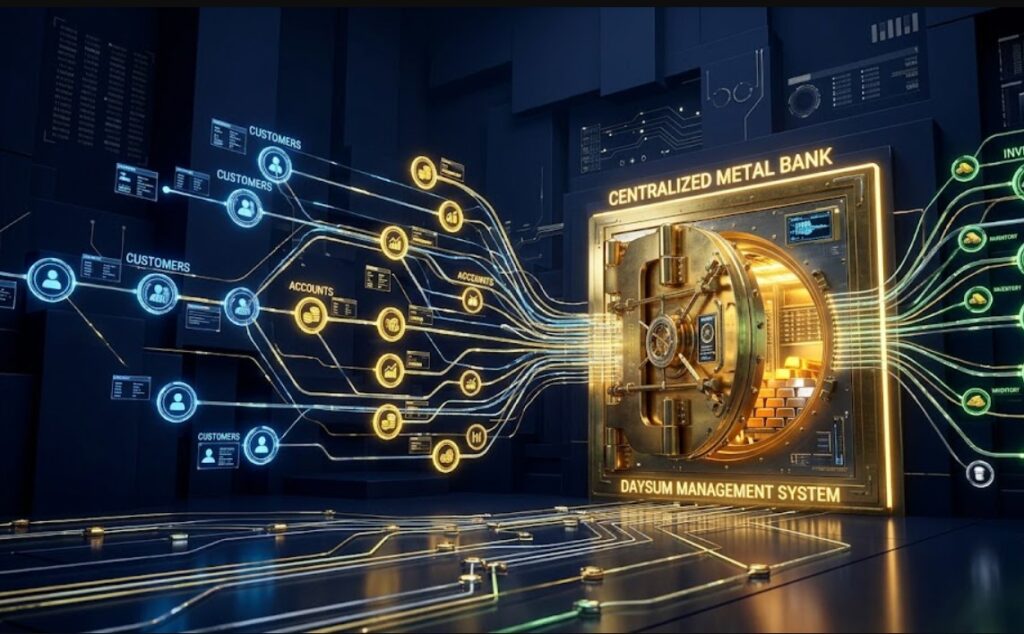
For any jewelry business owner, the single greatest fear isn’t just a robbery; it’s the “slow leak.” It’s the small, untraceable losses that, gram by gram, day by day, silently eat away at your bottom line. It’s the item that was supposed to be in Tray 4, the weight discrepancy in the workshop, the nagging feeling that your physical count doesn’t match the numbers in your spreadsheet. In an industry built on high-value, low-volume items, traditional inventory management—a combination of manual logbooks, disconnected spreadsheets, and a basic POS system—is no longer just inefficient; it’s a critical security risk. The solution is a paradigm shift in how you view and control your most valuable asset. The solution is a centralized Gold Management System. This article will explore exactly how this technology acts as a digital fortress for your inventory, simultaneously plugging security leaks and unlocking new avenues for profitability. What is a Centralized Gold Inventory System? First, let’s define our terms. A centralized system is the digital heart of your entire business operation, typically as part of a comprehensive Jewelry ERP (Enterprise Resource Planning) solution. It is the single source of truth for every single item you own. This single, unified view is the foundation upon which all security and profitability are built. Part 1: The Digital Fortress – How a Centralized System Drastically Reduces Theft Inventory “shrinkage” in the jewelry business can come from multiple sources: employee theft, shoplifting, or simple, repeated administrative errors. A Gold Management System attacks all three. 1. Total Visibility: Eliminating the “Shadows” Theft thrives in ambiguity. A centralized system banishes it by tagging and tracking every single item from the moment it enters your possession to the moment it leaves. 2. Instant Audits with RFID Technology (The Game-Changer) This is perhaps the most powerful anti-theft tool available. A full store audit that used to take two days can now be done in 30-60 minutes. This allows you to conduct audits daily or weekly, meaning any discrepancy or missing item is flagged immediately, not six months down the line. This shortens the window for theft from months to mere hours, acting as a massive deterrent. 3. The “Digital Watchdog”: Complete Audit Trails In a centralized system, every single action is logged with a user, date, and timestamp. There is no anonymity. 4. Locking Down the Workshop (The “Black Hole”) The manufacturing or repair workshop is traditionally the biggest “black hole” for inventory. Raw gold, scrap, and dust (wastage) are notoriously difficult to track. A Gold Management System with a manufacturing module solves this by: Part 2: Beyond Security – How Centralization Improves Profitability Reducing theft is a direct path to profitability, but a centralized system also unlocks powerful new ways to make money, not just save it. 1. Automated Real-Time Pricing: Protecting Your Margins The price of gold fluctuates every minute. If you rely on manually re-pricing your items, you are constantly at risk. 2. Smart Inventory Optimization: Stop Guessing, Start Knowing Cash flow is king. A centralized system provides the data you need to stop guessing what to buy and start knowing what sells. It turns your inventory into a high-performance asset, not a capital-draining liability. The system generates critical reports: This data allows you to liquidate dead stock, invest more in high-margin winners, and optimize your inventory turnover, dramatically improving your cash flow and overall profitability. 3. Eliminating Costly Human Errors In the gold business, a simple calculation error is a direct loss. A centralized system automates the complex math. Task Manual / Decentralized Way (High Risk) Centralized System (Zero Risk) Old Gold Trade-In Salesperson manually calculates the pure gold value from a customer’s 18k scrap. A small math error costs you money. System has a built-in, 100% accurate “Old Gold Calculator” based on live rates and purity. Karat Conversion Manually converting the weight of an 21k item to its 24k equivalent for your books. High chance of error. Automated, precise conversion calculators are built-in for all transactions and reporting. Sales Reporting Manually adding up sales from the POS, a separate e-commerce report, and branch logbooks. Time-consuming and error-prone. An instant, 100% accurate profit & loss (P&L) report is available on your dashboard at any time. This automation saves hundreds of labor hours and eliminates the costly “human error tax” on your profits. Daysum: Your Partner for a Secure & Profitable Future Understanding the need for a Gold Management System is the first step. The second, and most critical, is choosing the right partner to implement it. At Daysum, we are not just software providers; we are expert partners for the Gold & Jewelry industry in Saudi Arabia. Our solution is built from the ground up to solve the exact problems you face. Our Daysum Gold ERP System gives you: Frequently Asked Questions (FAQs) Q1: My business is small, with just one shop. Is a system like this too complex or expensive for me? This is a common misconception. A centralized system is more critical for a small business, as every riyal of loss from theft or error has a larger impact. Cloud-based solutions like Daysum are highly scalable and affordable, allowing you to start with the core modules you need and add more as you grow. Q2: What is RFID? Is it difficult to set up? RFID (Radio-Frequency Identification) uses small tags that transmit data to a scanner. The setup involves tagging your inventory items (often during intake) and configuring the scanners. A professional partner like Daysum handles this entire implementation for you, making the transition seamless. The ROI from theft reduction and audit-time-savings is immense. Q3: Can this system handle my old gold/scrap trade-ins? Absolutely. This is a core function. The Daysum system has a dedicated module to manage trade-ins, accurately calculate the scrap value based on live rates, and apply it as credit towards a new purchase, all while properly logging the scrap into your inventory. Q4: How does this system integrate with ZATCA e-invoicing? It’s fully and seamlessly integrated.

Read more
ERP

Gold Management System in Saudi Arabia: A Complete Guide for Jewelers

The gold and jewelry industry in Saudi Arabia is one of the most dynamic and valuable sectors, driven by high consumer demand and stringent regulations. Managing gold inventory, daily price changes, customer orders, and compliance with Saudi standards can quickly become overwhelming without the right technology. This is where a Gold Management System comes in — a digital solution designed to help jewelry businesses manage every aspect of their operations with precision, transparency, and efficiency. For Saudi jewelers, adopting a gold management solution like Daysum ERP is not just about better control — it’s about staying compliant, competitive, and future-ready in an increasingly digital marketplace. Understanding the Core Purpose: Why a Gold Management System Matters Before diving into the checklist, it’s important to understand what makes a Gold Management System different from traditional inventory software. Aspect Traditional System Gold Management System (Daysum ERP) Inventory Tracking Tracks quantities and SKUs Tracks weight (grams), karats, purity, and wastage Pricing Fixed pricing per item Real-time gold rate integration and dynamic pricing Accounting Standard accounting entries Auto valuation of gold, making-charge calculations, and metal accounting Regulatory Compliance Manual tracking Automated VAT and compliance with Saudi regulations Sales Process Item-based Weight-based billing and barcode-enabled sales The key takeaway: A Gold Management System is built specifically for the jewelry business — not just retail — enabling precise tracking of gold, stones, and transactions down to every gram. The Ultimate Gold Management System Checklist Use this checklist to assess your readiness and identify what your jewelry business needs to stay compliant, profitable, and efficient.  Section 1: Technical & System Requirements  Section 2: Accounting & Compliance  Section 3: Operations & Sales Management   The Strategic Advantage of an Integrated ERP Solution While the goal is operational control and compliance, implementing a Gold Management System through Daysum ERP provides strategic benefits that go beyond daily management: A Gold Management System is no longer a luxury — it’s a necessity for any jewelry business in Saudi Arabia seeking accuracy, efficiency, and compliance. By choosing an integrated solution like Daysum ERP, you can eliminate manual processes, prevent costly errors, and gain real-time control over every gram of gold in your operations. Don’t wait for inefficiencies to affect your business.Contact Daysum today for a free consultation and discover how our Gold Management System can elevate your jewelry business in Saudi Arabia. Frequently Asked Questions (FAQs)   Q1: Is a Gold Management System required for small jewelry shops in Saudi Arabia?  Yes. Even small jewelers must maintain accurate inventory, VAT compliance, and e-invoicing per Saudi laws. Daysum ERP is scalable for both SMEs and large enterprises. Q2: Can I customize the system to match my pricing method?  Absolutely. Daysum ERP allows complete flexibility in pricing — whether based on weight, purity, or design. Q3: Does the system support bilingual invoices? Yes. Invoices can be generated in both Arabic and English to meet Saudi market standards. Q4: How secure is my data?  Daysum ERP uses cloud-based encryption and regular backups to ensure your data remains safe and accessible at all times.

Read more

A Buyer’s Guide to Choosing the Best Jewelry ERP Software in Saudi Arabia

    The jewelry market in Saudi Arabia is a dynamic and lucrative industry, but it comes with a unique set of challenges. From the constant fluctuation of gold prices and intricate karat calculations to the meticulous management of high-value inventory and strict regulatory compliance with ZATCA, running a jewelry business requires more than just passion—it demands precision, control, and efficiency. Standard accounting software or generic ERP systems often fall short of addressing these specific needs. They lack the specialized modules required to handle the complexities of gold, diamonds, and gemstones. This is where a dedicated Jewelry ERP (Enterprise Resource Planning) software becomes not just an asset, but a necessity for survival and growth. This guide is designed to walk you through everything you need to know to select the perfect Jewelry ERP solution for your business in KSA, ensuring you make an informed decision that will pay dividends for years to come. Why Generic ERPs Don’t Work for the Jewelry Industry Attempting to manage a jewelry business with a standard ERP is like trying to fit a square peg in a round hole. Here’s why these systems are inadequate: Investing in a specialized Jewelry ERP is a strategic move to gain a competitive edge through operational excellence. The Core Features Your Jewelry ERP Must Have When evaluating potential software solutions, create a checklist and ensure the system offers these critical features, specifically tailored for the Saudi market. On-Premise vs. Cloud-Based ERP: Which is Right for You? Feature On-Premise ERP Cloud-Based ERP (like Daysum) Initial Cost High (servers, licenses, IT staff) Low (monthly/annual subscription) Accessibility Limited to office network Accessible from anywhere with an internet connection Maintenance Managed by your internal IT team Managed by the provider (updates, security) Scalability Difficult and expensive to scale Easy to scale up or down as your business grows Data Security Your responsibility Handled by provider with enterprise-grade security Export to Sheets For most small to medium-sized jewelry businesses in KSA, a cloud-based ERP offers superior flexibility, lower total cost of ownership, and greater peace of mind. Why Choose Daysum as Your Local ERP Partner? While there are international ERP providers, choosing a local partner like Daysum offers significant advantages. We understand the specific nuances of the Saudi market and have built our Daysum Gold ERP from the ground up to meet them. The Daysum Advantage:   A solution like Daysum Gold ERP provides the technological foundation you need to streamline operations, control costs, enhance customer experiences, and unlock new growth opportunities. Ready to see how a specialized ERP can transform your jewelry business? Contact the experts at Daysum for a free demo today!   Q1: Is the software compliant with ZATCA regulations? Absolutely. Daysum’s ERP is fully compliant with all phases of ZATCA e-invoicing. We ensure our clients are always up-to-date with the latest regulatory changes. Q2: Can the system handle multiple branches? Yes, our ERP is designed for multi-store management. You can manage inventory, sales, and reporting for all your branches from a single, centralized platform. Q3: How does the system improve inventory accuracy and security? By using RFID and barcode technology, we eliminate manual counting errors. The system provides a complete audit trail for every item, from purchase to sale, significantly reducing the risk of internal theft. Q4: Is my business data secure on a cloud platform? Security is our top priority. We use advanced encryption, secure cloud servers hosted with reputable providers, and regular backups to ensure your data is always safe and accessible only to you. Q5: Do you offer training and implementation support? Yes, we provide a comprehensive implementation and training program to ensure your team is comfortable and proficient with the new system. Our goal is a smooth and successful transition.

Read more
asset management

Jewelry accounting software: How Daysum Simplifies Depreciation Management

Jewelry accounting software has become an essential tool for modern jewelry businesses aiming to streamline operations and maximize profitability. In the competitive Saudi market, accurate financial tracking is crucial—especially when it comes to managing depreciation of fixed assets like machinery, tools, and display equipment.  Depreciation directly impacts annual expenses and reported profits, influencing both pricing strategies and long-term growth. With Daysum, a leader in jewelry industry ERP solutions and accounting software for jewelry business, you gain automated, accurate, and regulation-compliant depreciation management—empowering you to make informed financial decisions and keep your jewelry business ahead in a demanding marketplace. What Is Depreciation and Why It Matters for Jewelry Businesses Depreciation is a critical accounting concept that reflects the gradual wear and tear of fixed assets over time. For jewelry businesses, understanding depreciation is essential because it affects asset valuation, tax calculations, and overall profitability. Using specialized jewelry accounting software like Daysum helps accurately track asset depreciation, ensuring better financial planning and compliance with industry standards in the Saudi market. Key Points about Depreciation Calculating Wear and Tear on Fixed Assets with Daysum Accurately calculating depreciation involves evaluating how jewelry business assets lose value through usage and time. Daysum’s jewelry accounting software automates this process, using accepted accounting methods like straight-line or declining balance to ensure precise calculations. This automation minimizes errors and saves valuable time for accounting teams. Common Depreciation Methods Supported by Daysum Both methods are supported by Daysum’s jewelry accounting software to ensure accurate, compliant asset management tailored to the jewelry industry. How Depreciation Impacts Your Financial Statements Depreciation directly affects a jewelry business’s annual expenses and net profits. Properly recording depreciation lowers taxable income, reflects asset value realistically, and impacts cash flow forecasting. Daysum’s software ensures these adjustments are accurately reflected in your profit and loss statements and balance sheets, helping stakeholders make informed decisions. Effects on Financial Statements Automating Depreciation Schedules and Adjustments Manual depreciation tracking can be time-consuming and prone to mistakes. Daysum’s jewelry accounting software simplifies this by automating depreciation schedules and adjustments based on predefined asset life cycles and accounting rules. This automation guarantees compliance with Saudi accounting standards and improves efficiency. How Daysum Automates Depreciation Case Study: Managing Asset Value with Daysum’s ERP Solution  Managing asset value is crucial for jewelry businesses that rely on expensive fixed assets. Daysum’s ERP solution offers a streamlined way to track asset depreciation accurately, helping businesses maintain precise financial records. This case study highlights how a leading Saudi jewelry retailer improved asset management and financial clarity by leveraging Daysum’s tailored ERP software. Key Results from the Case Study Integrating Asset Management with Jewelry Accounting Software Intro: Effective asset management in the jewelry industry requires close integration with accounting software to ensure depreciation and asset values are recorded correctly. Daysum’s jewelry accounting software provides seamless integration, connecting asset tracking with financial reporting to optimize bookkeeping and compliance. Integration Features Best Practices for Annual Depreciation Reviews Intro: Annual depreciation reviews are essential for maintaining accurate financial statements and complying with accounting standards. Jewelry businesses must assess asset values yearly to reflect wear and tear properly. Following best practices ensures that depreciation expenses are realistic and that profits are not overstated. Recommended Review Steps How to Start Managing Depreciation in Daysum Software Intro: Starting depreciation management with Daysum’s software is simple and efficient, designed specifically for jewelry businesses. The platform guides users through setting asset categories, lifespans, and depreciation methods to automate calculations and postings, saving time and reducing errors. Steps to Get Started Simplify Asset Depreciation and Financial Reporting with Daysum’s Jewelry Industry ERP Solutions Intro: Daysum’s ERP solutions simplify the complexity of asset depreciation and financial reporting for jewelry businesses. By automating key tasks and integrating with accounting functions, Daysum helps maintain compliance, accuracy, and timely financial insights, giving businesses the tools to optimize profitability and decision-making. Benefits of Using Daysum ERP Optimize your jewelry business finances with Daysum’s jewelry accounting software. Simplify depreciation management and boost accuracy today! FAQ What is jewelry accounting software?  Jewelry accounting software is a specialized tool designed to manage financial records, including depreciation, inventory, and sales, tailored to jewelry businesses. It helps streamline accounting tasks, improve accuracy, and ensure compliance with industry standards. How does Daysum simplify depreciation management?  Daysum automates depreciation calculations, supports multiple methods like straight-line, and posts entries automatically. This reduces manual errors, saves time, and keeps your financial records up to date effortlessly. Why is depreciation important for jewelry businesses?  Depreciation accounts for asset wear and tear, impacting annual expenses and profit calculations. Proper management helps jewelry businesses maintain accurate financial statements and plan for asset replacement. Can Daysum integrate asset management with accounting?  Yes, Daysum integrates asset data with accounting ledgers in a centralized system, providing real-time depreciation updates and seamless reconciliation for accurate financial reporting. Is Daysum compliant with Saudi financial regulations?  Daysum’s jewelry accounting software complies with Saudi accounting standards and regulatory requirements, ensuring your depreciation and other financial processes meet local legal standards.

Read more
top
Business Challenges

Digital Transformation

Security

Automation

Gaining Efficiency