The modern workplace is undergoing a radical, technology-driven metamorphosis, and nowhere is this more evident than in how organizations manage their most valuable asset: their people. Gone are the days of manual punch cards, cumbersome spreadsheets, and fingerprint scanners that constantly break down. We have entered the era of intelligent, automated, and hyper-connected workforce management. As we look toward the horizon, business leaders, HR professionals, and IT decision-makers are all asking the same critical question: What exactly does the future of attendance apps hold, and how will it reshape our daily operations?
In the Kingdom of Saudi Arabia, this evolution is moving at breakneck speed. Fueled by the ambitious goals of Vision 2030, the Saudi attendance market is projected to hit a staggering $250 million by 2028, growing at a Compound Annual Growth Rate (CAGR) of 14%. This rapid expansion is driven by the seamless integration of Artificial Intelligence (AI), advanced biometrics, and cloud computing. Mobile and cloud applications provided by industry innovators like Daysum and truMe are setting new benchmarks, achieving up to 99% accuracy in tracking time for hybrid, remote, and on-site workforces.
In this comprehensive guide, we will explore the defining landscape of next-generation attendance applications, key emerging trends, the transformative role of the cloud, and the challenges organizations must overcome to thrive in this new ecosystem.
Defining the Future Landscape of Workforce Management
To understand where attendance apps are heading, we must first look at how the definition of “attendance” has fundamentally changed. The next generation of applications is evolving far beyond basic check-ins and check-outs. Today, attendance is intricately linked with overall employee well-being, productivity tracking, and strict legal compliance.
From Simple Time Clocks to Holistic AI Platforms
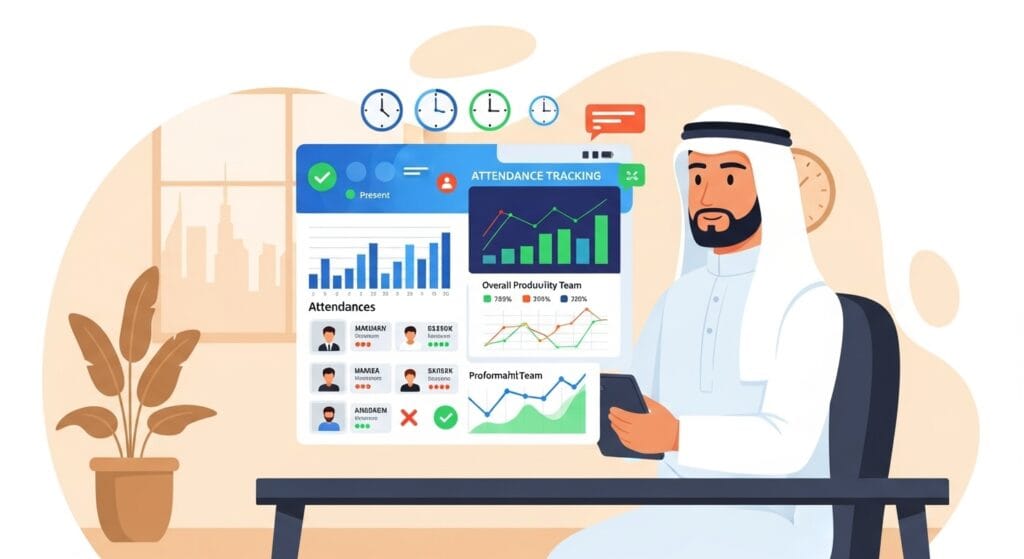
Future attendance applications are being designed as holistic AI-powered platforms. They are moving away from purely transactional interactions to becoming tools that actively monitor workforce productivity and even mental health. Predictive models forecasted by industry players like Dwamee and ZenHR suggest that future apps will analyze working hours to detect signs of burnout, prompting HR to intervene before employee fatigue impacts operational efficiency.
Meeting Hybrid and Remote Work Needs
The traditional 9-to-5 office environment is no longer the sole standard. With a significant portion of the workforce operating in hybrid or fully remote capacities, attendance apps must adapt. This means leveraging mobile-first technologies that allow employees to securely log their hours from anywhere in the world.
Unprecedented Compliance and Auto-Synchronization
In the Saudi context, regulatory compliance is a major driver of this technological shift. Vision 2030 emphasizes transparency, digital transformation, and the protection of workers’ rights. Consequently, future attendance apps must feature automatic synchronization with government portals such as Qiwa and the Wage Protection System (WPS). By automating these processes, companies can eliminate the human errors associated with manual data entry, ensuring 100% compliance with Ministry of Human Resources and Social Development (MHRSD) regulations and replacing outdated punch cards for good.
Key Emerging Trends in Attendance Technology
As we navigate the next few years, several distinct technological trends will dictate the capabilities of attendance management systems. Organizations that adopt these trends early will secure a significant competitive advantage.
Table: Key Emerging Trends in the Saudi Market
|
Trend |
Expected Impact & Capabilities |
Regional Leaders & Innovators |
|
AI/ML Analytics |
Up to 90% accuracy in predicting employee absence, allowing for proactive shift scheduling. |
ZenHR, Truein |
|
Advanced Biometrics |
Implementation of anti-spoofing facial and voice recognition, eliminating “buddy punching.” |
BioEnable, RecFaces |
|
Cloud + IoT Integration |
Real-time tracking of field workers using geolocation beacons and connected devices. |
IOTee GPS, DotsHR |
1. Artificial Intelligence and Machine Learning (AI/ML)
Artificial Intelligence is undoubtedly the most disruptive force in HR technology today. Machine Learning algorithms analyze vast datasets of historical attendance records to identify patterns that human managers might miss. For example, AI can predict with up to 90% accuracy when an employee is likely to be absent or late, taking into account variables such as past behavior, local traffic conditions, weather forecasts, and even the time of year. This predictive capability allows managers to adjust schedules dynamically, ensuring that operations run smoothly without unexpected staffing shortages.
2. Advanced, Spoof-Proof Biometrics
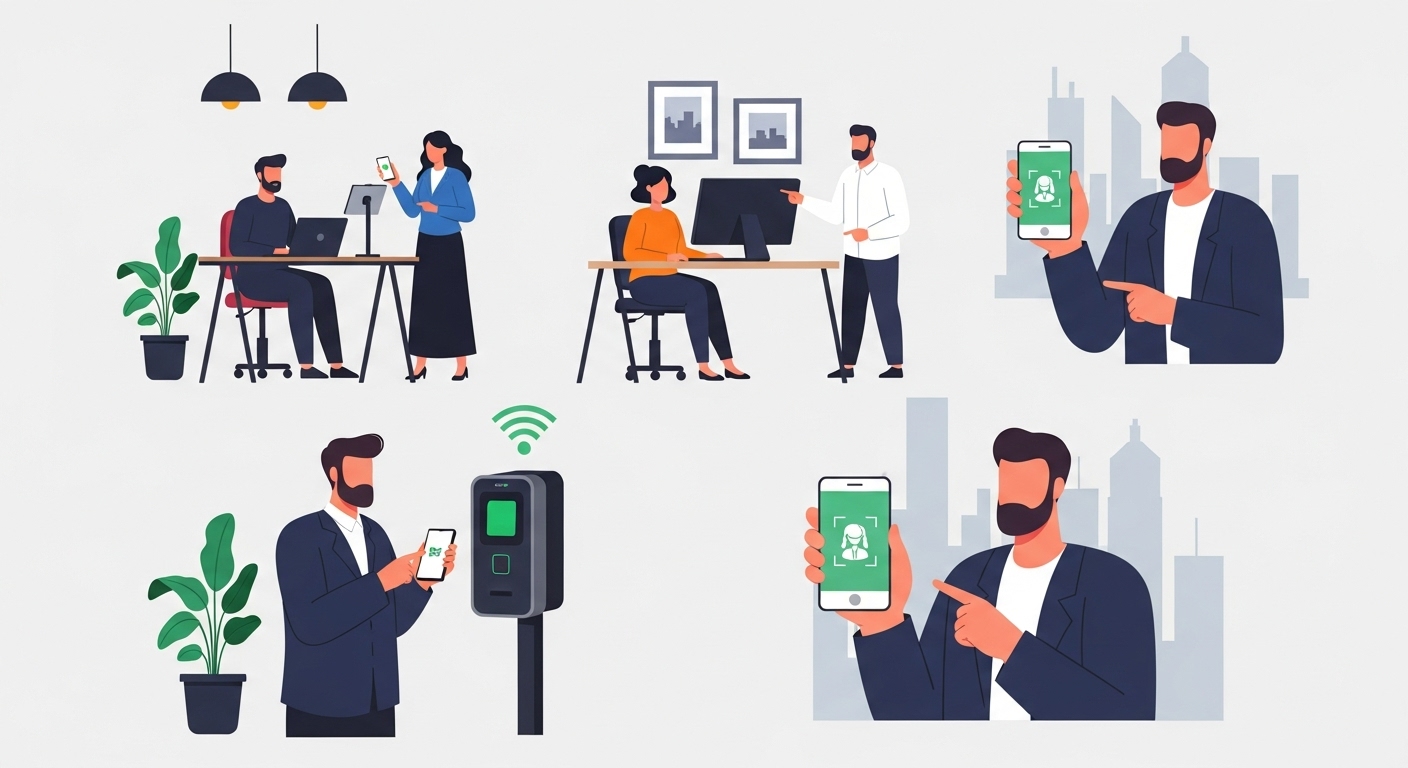
While biometric technology like fingerprint scanning has been around for a while, the future lies in contactless, highly secure alternatives. Advanced facial recognition and voice biometric systems are becoming the norm. These technologies utilize 3D depth-sensing and “liveness detection” to ensure that the person clocking in is physically present, thwarting attempts to spoof the system using photographs or recorded videos. This guarantees absolute accuracy and enhances workplace security, making it impossible for employees to log hours for their absent colleagues.
3. The Internet of Things (IoT) and Geofencing
For organizations with large field teams, sales representatives, or construction workers, tracking attendance outside the office is a persistent challenge. The convergence of cloud technology and IoT provides the solution. By setting up virtual geographical boundaries (geofences) around a job site, employees can only clock in when they physically enter the approved zone. IoT beacons can also track movement within large facilities, ensuring that staff are exactly where they need to be during their shifts.
The Transformative Role of Cloud Technology
None of the aforementioned innovations would be possible without the backbone of cloud computing. The shift from localized, on-premise servers to agile cloud infrastructure is redefining what attendance apps can achieve.
Unmatched Scalability and Cost Efficiency
Market forecasts suggest that the cloud-based HR tech sector will scale to a massive $2 billion by 2033. This growth is driven by the unparalleled financial benefits of cloud adoption. Transitioning to a cloud attendance system can cut IT infrastructure and maintenance costs by up to 70% compared to legacy on-premise deployments. There is no need to purchase expensive servers, pay for ongoing localized maintenance, or worry about manual software updates. The cloud enables anytime, anywhere access, ensuring that whether an employee is at the headquarters in Riyadh or working remotely from Dammam, their attendance is recorded seamlessly in real-time.
Seamless Integration with HR and Payroll
Data silos are the enemy of efficiency. The future of attendance apps lies in their ability to communicate flawlessly with other enterprise systems. Cloud platforms allow for seamless HR and payroll integration. Localized models built on frameworks similar to global giants like ADP and UKG are boosting HR operational efficiency by up to 80%. When attendance data flows directly into payroll processing software without manual intervention, companies eradicate payroll discrepancies, save countless administrative hours, and ensure employees are paid accurately and on time.
For businesses looking to overhaul their entire corporate management structure, executing an odoo implementation saudi arabia creates an ecosystem where attendance, accounting, inventory, and human resources speak the exact same digital language.
Future App Capabilities: What Will the User Experience Look Like?
The technical backend of attendance apps is evolving, but so is the frontend user experience (UX). The apps of tomorrow will prioritize the employee, offering intuitive, personalized, and engaging interfaces.
Hyper-Personalization and Intuitive UX
Future apps will adapt to the specific needs of the user. For a factory worker, the app might simply feature a large, one-tap clock-in button with facial recognition. For an HR manager, the same app will open to a complex dashboard displaying real-time workforce analytics. Custom policies can be programmed directly into the app, allowing it to automatically handle complex rules regarding overtime, sick leave, and public holidays based on Saudi labor laws.
Virtual Reality (VR) Training and Onboarding
As showcased at major tech events like LEAP 2026, the onboarding process for new HR software is about to get a futuristic upgrade. Companies will utilize Virtual Reality (VR) and Augmented Reality (AR) to train employees on how to use new attendance systems, ensuring high adoption rates and minimal resistance to technological changes.
Health-Linked Insights and Fatigue Detection
One of the most exciting capabilities of future attendance apps is their integration with corporate wellness programs. By tracking hours worked, breaks taken, and even integrating with opt-in wearable health devices, the app can detect patterns of severe fatigue. If a truck driver or a heavy machinery operator has logged too many consecutive hours without adequate rest, the app will automatically alert supervisors and restrict the employee from clocking in for another shift until mandatory rest periods are met, thereby preventing workplace accidents.
Mobile-First with Smart Notifications
The future is undoubtedly mobile-first. A modern time attendance system saudi arabia will leverage push notifications to remind employees to clock in when they enter a geofenced area, or remind them to take their mandatory lunch breaks. This level of proactive communication eliminates the “I forgot to clock in” excuse and streamlines hybrid compliance.
Anticipated Challenges and Strategic Solutions
While the future of attendance apps is bright, the road to implementation is not without its hurdles. Organizations must be prepared to navigate security concerns, cultural pushback, and technical complexities.
Table: Anticipated Challenges and Projected Solutions
|
Challenge |
Projected Solution |
The Saudi Context |
|
Security & Data Privacy |
Integration of Blockchain technology for immutable records; adherence to strict cybersecurity protocols. |
Compliance with National Cybersecurity Authority (NCA) and stc Cloud data residency mandates. |
|
Change Resistance |
Intuitive Arabic UX, gamified features, and AI-driven interactive onboarding processes. |
Free training initiatives provided by platforms like Bayzat and Daysum to ensure workforce adaptability. |
|
System Integration |
Utilization of Open APIs and low-code/no-code integration platforms for seamless data transfer. |
Providers like Ojoor offering 200+ connectors to bridge legacy systems with new cloud infrastructure. |
1. Overcoming Security and Privacy Concerns
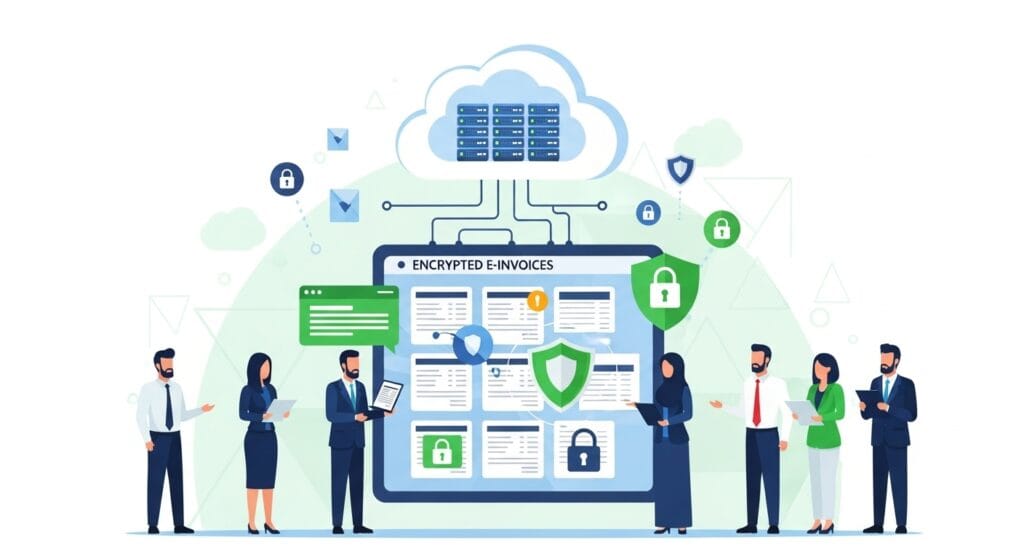
When dealing with biometric data and real-time location tracking, privacy is paramount. In Saudi Arabia, strict adherence to the National Cybersecurity Authority (NCA) guidelines is mandatory. Future apps will utilize blockchain technology to create tamper-proof, immutable audit logs of attendance data. Furthermore, partnering with secure, localized cloud providers like stc Cloud ensures that sensitive employee data never leaves the Kingdom’s borders, alleviating data sovereignty concerns.
2. Battling Resistance to Change
Introducing new technology often meets resistance from employees accustomed to older methods. To combat this, developers are prioritizing heavily localized, Arabic-first user interfaces that feel as familiar as popular social media apps. Additionally, comprehensive AI onboarding assistants and free, hands-on training sessions will bridge the digital divide, ensuring that workers of all ages and technical backgrounds feel comfortable using the new systems.
3. The Complexity of Software Integration
Many businesses still rely on legacy ERP or payroll systems. The challenge lies in making the new attendance app communicate with these older programs. The solution is the widespread adoption of Open APIs and low-code integration platforms. By providing hundreds of pre-built connectors, modern apps ensure that data flows seamlessly across the entire corporate tech stack, preventing operational bottlenecks.
By leveraging comprehensive cloud hrms solutions, companies can bypass integration nightmares altogether, opting for an all-in-one platform that handles everything natively from a single database.
The Innovation Imperative: Aligning with “AI Year 2026”
The Saudi government’s designation of 2026 as the “Year of Artificial Intelligence” sends a clear message to the private sector: innovate or be left behind. Continuous Research and Development (R&D) is no longer optional; it is an imperative for survival.
Leading software providers like Daysum and Finloyd are already heavily investing in integrating AI with employee welfare metrics. The goal is to create a symbiotic relationship between maximum corporate productivity and optimal employee mental health. As the regional HR tech market races toward a valuation of $3.5 billion by 2033, strategic adaptation is the only way to ensure long-term competitiveness in an ecosystem driven by predictive analytics and blockchain-audited records.
Companies that refuse to update their attendance systems will find themselves struggling with high administrative costs, payroll errors, and legal penalties for non-compliance with evolving labor laws. Conversely, forward-thinking organizations that embrace next-generation attendance apps will enjoy streamlined operations, happier employees, and a vastly improved bottom line.
Your Next Step Toward the Future
The workplace of tomorrow is being built today. Are you ready to equip your organization with the tools necessary to thrive in the Vision 2030 era? Do not let outdated systems hold your business back. Contact Daysum today to explore Vision 2030-ready attendance applications and discover how our cutting-edge solutions can transform your workforce management. A free, customized demo is available now.
Frequently Asked Questions (FAQs)
Cloud-based attendance apps integrate directly with your company's payroll software. When an employee clocks in or out using biometric verification or GPS, the exact time is recorded and automatically sent to the payroll system. This eliminates manual data entry, prevents "buddy punching," and automatically calculates overtime, late deductions, and leave balances, resulting in 100% payroll accuracy.
No, reputable attendance apps are designed with strict privacy controls. The GPS tracking (geofencing) feature typically only activates the moment an employee interacts with the app to clock in or out to verify they are at the correct job site. It does not track the employee's location continuously throughout the day, ensuring that personal privacy is fully respected while maintaining business accountability.
Modern attendance apps are built with "offline modes." If an employee is in a remote area or a building with poor connectivity, they can still clock in using the app. The timestamp and biometric data are securely stored locally on the device. The moment the smartphone reconnects to a Wi-Fi or cellular network, the app automatically syncs the cached data with the central cloud server.
Next-generation apps are built specifically to align with local regulations. They feature automated synchronization with government portals like Qiwa and the Wage Protection System (WPS). Furthermore, the apps can be customized to enforce Saudi labor law rules regarding maximum working hours, mandatory rest periods, overtime caps, and official public holidays, ensuring your business is always audit-ready and legally compliant.