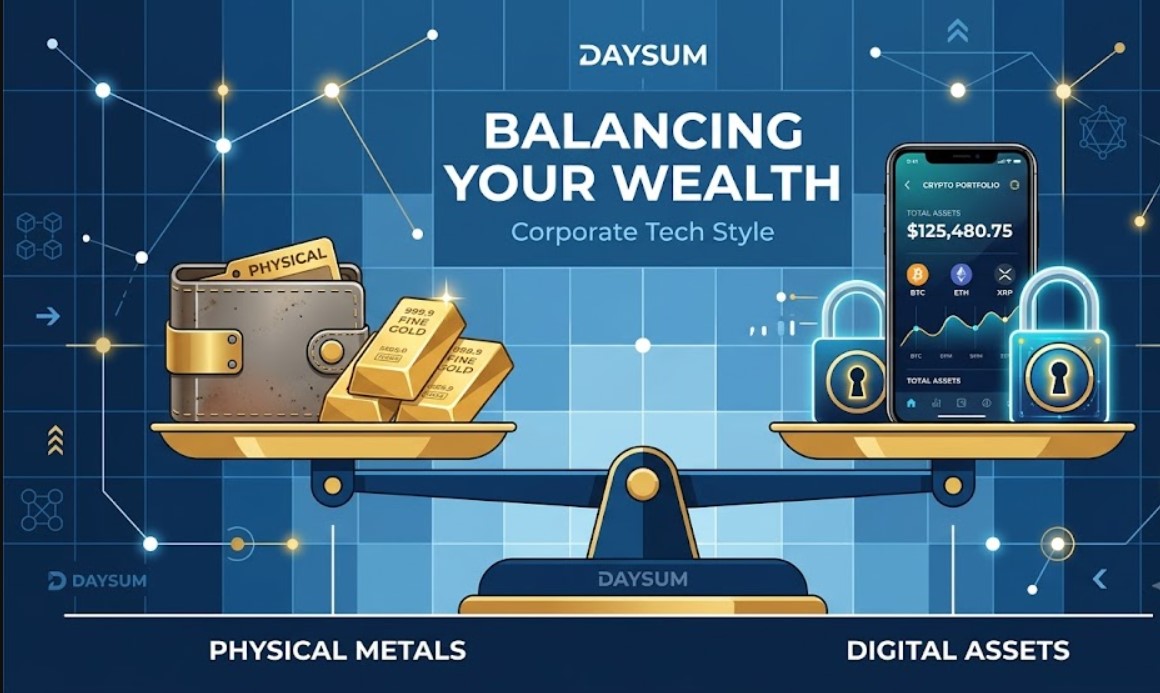
The precious metals market in Saudi Arabia and the broader Middle East is undergoing a massive structural transformation. Driven by rapid technological adoption, regulatory advancements like ZATCA e-invoicing, and a growing appetite for diverse asset classes, both individual investors and large-scale metal banks are rethinking how they store and manage wealth. At the center of this evolution is a critical decision regarding the custody model: choosing between a traditional physical wallet and a modern digital metal wallet.
For bullion banks, storage facilities, and investment platforms, understanding the technical and operational differences between these two methodologies is not merely a matter of preference—it is the foundation of institutional scalability, accurate accounting, and robust asset security. This comprehensive guide explores the mechanics, benefits, constraints, and operational realities of physical and digital wallets, helping you determine which infrastructure aligns best with your long-term wealth management and ERP strategies.
Understanding the Custody Model: Redefining Ownership
The concept of a wallet in the precious metals industry goes far beyond a simple container. It defines the entire custody model—the legal, physical, and digital framework through which an asset is held, tracked, and verified.
The Traditional Physical Wallet
A physical wallet refers to the tangible possession and storage of precious metals. For an individual, this might mean a home safe or a safety deposit box. For an institution or storage company, it involves highly secure, insured, climate-controlled vaults. In this model, the ownership record is inherently tied to the physical proximity and possession of the asset.
While the physical wallet offers absolute, tangible control—appealing to traditionalists who operate on the principle of “if you don’t hold it, you don’t own it”—it introduces significant logistical bottlenecks. Pricing is static, liquidity is delayed by the need for physical assaying (testing purity) upon sale, and integrating physical holdings into a modern, automated accounting system requires immense manual data entry.
The Rise of the Digital Metal Wallet
A digital metal wallet revolutionizes this process by decoupling the physical location of the gold or silver from its transactional utility. The physical asset remains securely vaulted in an audited, institutional-grade depository, while the investor or business holds a digital token or ledger entry representing exact fractional ownership.
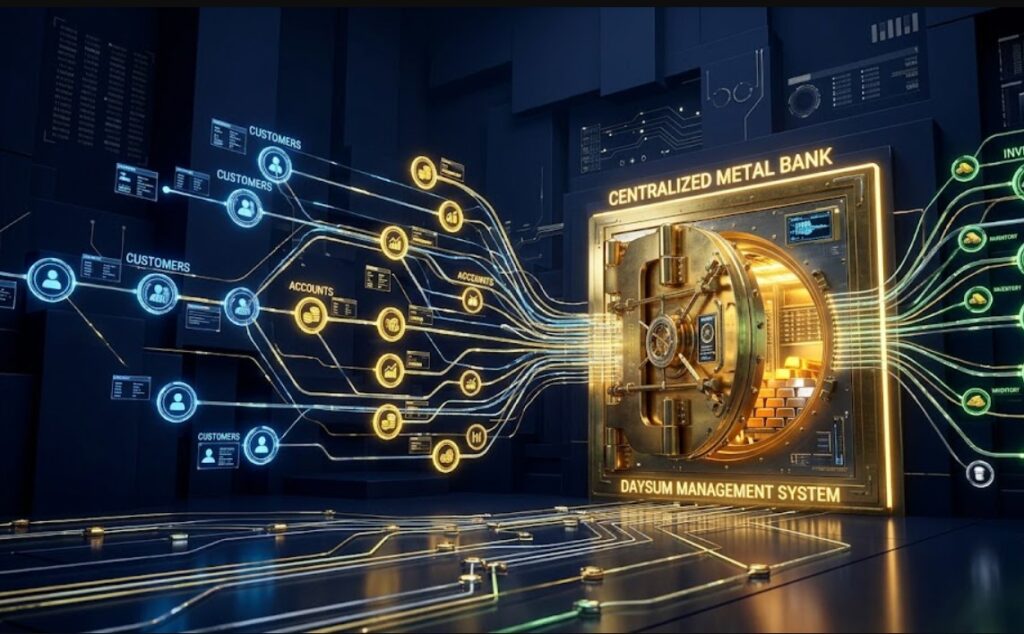
This is not a cryptocurrency; it is a 1:1 professionally audited digital representation of physical metal. For modern metal banks and storage firms, deploying a robust digital wallet infrastructure is the ultimate gateway to offering seamless digital investment opportunities. It allows platforms to manage pricing, execute immediate trades, and automate complex backend accounting through a unified enterprise resource planning (ERP) system without moving a single physical bar.
The Core Mechanics of Digital Metal Management
Transitioning from physical storage to offering a digital wallet solution requires a sophisticated backend. For institutions targeting the Saudi market, the digital infrastructure must seamlessly handle inventory management, real-time pricing grids, client tracking, and instant ledger reconciliation.
Real-Time Pricing and Algorithmic Valuation
One of the most significant drawbacks of a purely physical wallet is the inability to track real-time profitability. If a client stores physical gold in a box, calculating its exact worth at any given second is a manual, cumbersome process.
Conversely, a digital metal wallet integrated with an advanced ERP system utilizes live API data to continuously update the asset’s value. This ensures that when a client logs into their dashboard, they see the exact spot price, the spread, and their current profit margins. For institutions looking to implement this, integrating robust live metal pricing tools is a mandatory operational requirement. It allows the system to instantly calculate margins, deduct storage fees based on current valuations, and execute trades without human delay.
Fractional Ownership and High Liquidity
Traditional physical investments require buying whole units—a 1-ounce coin or a 1-kilogram bar. This creates a high barrier to entry. Digital wallets shatter this barrier. By utilizing an advanced inventory ledger, a storage facility can allocate fractions of a single serialized 1-kilogram gold bar to dozens of different digital wallets. The system meticulously tracks these micro-allocations, ensuring that the total digital liabilities never exceed the physical vault inventory. This fractional capability transforms precious metals into a highly liquid, everyday digital investment.
Feature Comparison – Physical vs Digital Wallets
| Feature / Metric | Physical Wallet (Traditional Vault/Safe) | Digital Metal Wallet (ERP-Backed) |
| Asset Security | High physical security required; vulnerable to physical theft or loss. | High institutional vault security paired with digital cybersecurity. |
| Liquidity & Trading | Low; requires physical movement, assaying, and manual dealer negotiations. | High; enables instant buy/sell/trade execution at live market rates. |
| Ownership Record | Manual paper trails, physical receipts, prone to degradation or loss. | Immutable digital ledger, instantly accessible and fully auditable. |
| Fractional Investment | Impossible; must purchase whole physical bars or coins. | Fully supported; allows micro-investments down to fractions of a gram. |
| Profit Tracking | Manual calculation required based on historical purchase receipts. | Automated real-time P&L dashboards utilizing live market data. |
| Accounting Integration | Requires separate, manual journal entries for every physical audit. | Automated, double-entry ERP synchronization with every transaction. |
Asset Security and Risk Management
When managing wealth, asset security is the paramount concern for both the service provider and the end-user. The risk profiles of physical and digital wallets are fundamentally different, necessitating different management strategies.
Physical Constraints and Vulnerabilities
A purely physical custody model places the burden of security entirely on physical infrastructure. Whether it is a personal safe or a commercial vault, the risks include physical theft, natural disasters, and the high ongoing costs of comprehensive insurance policies. Furthermore, if a physical ownership certificate is lost, proving legal ownership can become a protracted legal battle. Shrinkage, internal theft, and physical degradation (especially for certain silver products) remain constant threats that require continuous, expensive physical auditing.
Cybersecurity and Institutional Audits
A digital wallet shifts the primary security concern from physical space to cyberspace. Because the physical metals are held by centralized, highly secure institutional vaults (often insured by entities like Lloyd’s of London), physical theft is virtually eliminated for the end-user.
However, the system must now defend against cyber threats. A robust ERP infrastructure must employ bank-grade encryption, multi-factor authentication (MFA), and routine penetration testing to protect the digital ownership record. For large jewelry and storage enterprises deciding on their IT infrastructure, navigating the choice between cloud vs on-premise ERP deployments is a critical step in establishing an impenetrable digital perimeter. Cloud solutions often provide superior data redundancy and automatic security patching, ensuring the digital ledger remains intact even if a physical server location is compromised.
Accounting Integration and Compliance in Saudi Arabia
For metal banks, trading platforms, and storage companies operating in Saudi Arabia, regulatory compliance is non-negotiable. The Zakat, Tax and Customs Authority (ZATCA) mandates strict electronic invoicing and tax reporting protocols. Managing these requirements with physical, paper-based wallets is inefficient and highly prone to regulatory penalties.
Automated Journal Entries and Ledger Synchronization
A digital wallet ecosystem unified under a central ERP system automates the most complex accounting workflows. When an investor deposits funds and purchases a fractional share of a digital gold token, the system instantly triggers a chain of accounting events:
- Revenue Recognition: The transaction fee or premium is instantly recorded as corporate revenue.
- Liability Adjustment: The platform’s custodial liability account increases, accurately reflecting that the institution owes the client a specific weight of metal.
- Inventory Matching: The system verifies that the digital allocation corresponds perfectly with the physical vault inventory.
Taxation and E-Invoicing
Furthermore, digital wallets allow for the automated deduction of administrative and storage fees. Instead of sending manual invoices to clients who hold physical boxes in a vault, the ERP can automatically deduct fractional grams of metal from the digital wallet at the end of each billing cycle to cover storage costs, simultaneously generating a ZATCA-compliant electronic tax invoice. This seamless integration eliminates human error and guarantees complete financial transparency.
Expanding Your Digital Investment Capabilities
The shift toward digital wallets is not merely a technical upgrade; it is a strategic business expansion. By transitioning from a traditional vaulting company to a digital-first metal bank, institutions unlock entirely new revenue streams and customer demographics.
Younger investors, accustomed to the speed of stock trading apps and cryptocurrency platforms, expect the same frictionless experience when buying precious metals. They demand mobile app access, instant portfolio valuation, and the ability to liquidate assets over the weekend. A physical wallet cannot meet these demands.
By building a comprehensive digital platform, institutions can offer holistic metal portfolio management services. This allows clients to diversify their holdings across gold, silver, and platinum within a single dashboard, view historical performance charts, and execute strategic trades based on global market movements, all while resting assured that their investments are backed by 100% fully allocated physical metal.
Cost-Benefit Analysis for Metal Storage Facilities
| Operational Area | Physical Wallet Infrastructure | Digital Wallet & ERP Infrastructure |
| Client Onboarding | Slow; requires physical presence, manual KYC paperwork, and vault allocation. | Rapid; automated digital eKYC, instant wallet generation, zero physical delays. |
| Revenue Streams | Limited strictly to physical storage space rental and manual trading spreads. | Scalable; includes digital transaction fees, automated storage micro-deductions, and premium API access. |
| Operational Overhead | Extremely high; requires extensive manual security, physical audits, and heavy administrative staff. | High initial software setup cost, followed by dramatically lower automated operational costs. |
| Market Reach | Geographically restricted to clients willing to travel to the physical vault location. | Global; capable of onboarding international clients seeking safe-haven storage in Saudi Arabia. |
| Audit Compliance | Laborious physical counts disrupting daily operations and requiring manual cross-referencing. | Instantaneous digital reporting, one-click reconciliation between vault and digital liabilities. |
Making the Right Choice: Which Wallet Fits You Better?
Ultimately, the choice between a physical and a digital wallet depends entirely on the user’s objectives and the institution’s operational goals.
For the hyper-conservative individual investor who prioritizes absolute off-the-grid possession, a traditional physical safe will always hold appeal. However, for the vast majority of modern investors—and specifically for the institutions looking to serve them—the digital metal wallet is the unequivocal future of wealth management. It bridges the ancient, intrinsic value of precious metals with the speed, security, and analytical power of modern fintech.
Storage facilities and metal banks that adopt robust, ERP-driven digital wallets will position themselves as market leaders, offering unmatched liquidity, automated compliance, and superior asset management. For a deeper dive into establishing this infrastructure, consulting a specialized metal wallet guide can provide the foundational blueprint required to launch a successful digital bullion platform.
Frequently Asked Questions (FAQs)
No. While they share digital interfaces, they are fundamentally different. A cryptocurrency is a decentralized digital asset with no physical backing. A digital metal wallet provided by a bullion bank is a digital ledger entry that represents 100% fully allocated, legally owned physical precious metal stored in an audited, insured vault.
Institutions utilize a dual-layer security model. First, the physical metals are held in high-security, insured commercial vaults subject to strict third-party audits. Second, the digital ledger and ERP system are protected by enterprise-grade cybersecurity measures, including end-to-end encryption, multi-factor authentication, and immutable database architectures to prevent tampering or hacking.
Yes, reputable metal banks and storage facilities that offer digital wallets operate on a fully allocated basis. This means clients always have the option to request physical delivery of their digital holdings. The platform will deduct the requested amount from the digital ledger, charge applicable fabrication or shipping fees, and dispatch the physical gold or silver to the client.
An ERP (Enterprise Resource Planning) system is the central nervous system of a digital metal platform. It automatically synchronizes live market prices with client balances, manages the complex fractional math of dividing physical bars into digital grams, automates ZATCA-compliant accounting journal entries, and ensures that the facility's digital liabilities match its physical vault inventory precisely in real-time. Without a specialized ERP, managing digital metals safely and legally is virtually impossible.