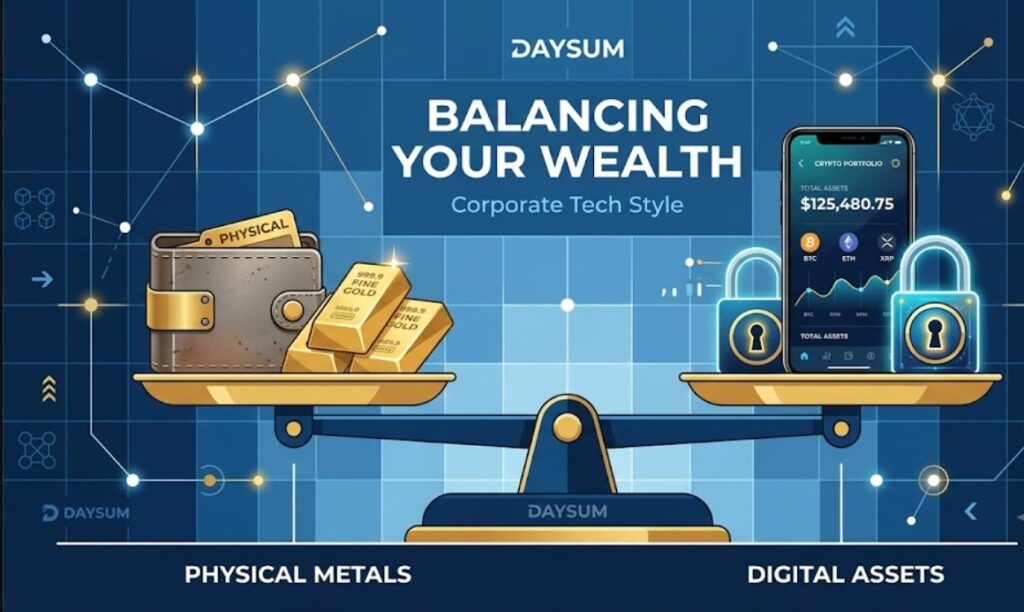
In the rapidly evolving financial landscape of Saudi Arabia and the broader Middle East, metal banks and precious metal storage facilities are experiencing unprecedented growth. Investors are increasingly turning to physical gold, silver, and platinum as safe-haven assets. However, managing a modern bullion depository or investment platform goes far beyond simply locking assets in a vault. Today’s institutions require sophisticated digital infrastructure to handle complex operations seamlessly.
For storage companies, investment portfolio platforms, and retail bullion dealers, the ultimate challenge lies in bridging the gap between physical assets and digital records. This comprehensive guide explores how implementing a robust ERP system can transform metal bank operations, allowing you to unify inventory management, client tracking, and financial accounting within a single, highly efficient platform.
The Evolution from Traditional Vaults to Modern Metal Banks
Historically, managing precious metals meant dealing with physical security, manual ledgers, and disjointed accounting systems. A traditional asset vault relied on physical counts and fragmented spreadsheets to track who owned what. However, with the rise of digital finance and stringent regulatory requirements in Saudi Arabia (such as ZATCA compliance), this fragmented approach is no longer viable.
Today’s metal banks operate as dynamic financial institutions. They offer digital wallet solutions, allowing individual investors and corporate clients to buy, store, trade, and sell precious metals with the click of a button. This digital transformation demands a unified system that instantly syncs physical vault inventory with digital client accounts.
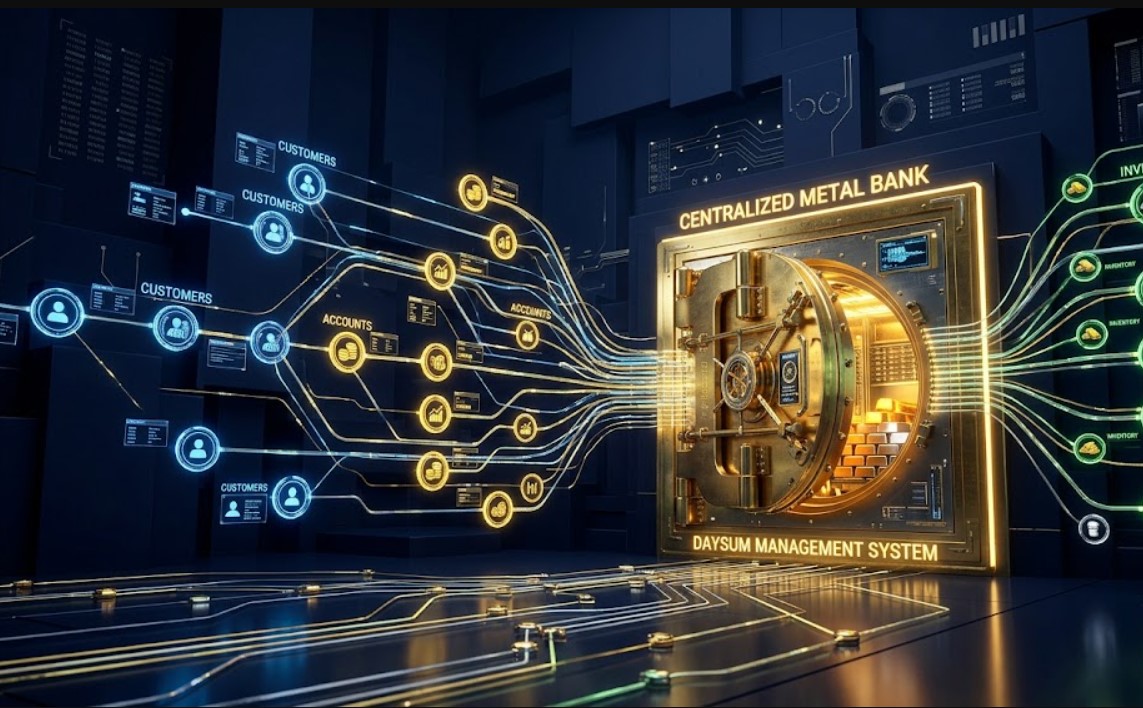
When a client deposits funds or purchases gold through your platform, the system must simultaneously update their digital wallet, adjust the physical inventory ledger, and generate the corresponding journal entries for accounting. Achieving this level of synchronicity requires specialized software tailored specifically for the precious metals industry.
The Core Challenges in Bullion and Metal Management
Before diving into the solutions, it is crucial to understand the unique challenges faced by a modern bullion bank or metal storage facility:
- High-Value Volatility: The prices of precious metals fluctuate by the second. Stale pricing data can lead to massive financial losses for both the institution and the client.
- Complex Ownership Structures: A single gold bar might be fractionally owned by multiple clients through a digital wallet system. Tracking these fractional shares requires a precise inventory ledger.
- Regulatory and Tax Compliance: Operating in Saudi Arabia means strict adherence to VAT rules and electronic invoicing standards.
- Disjointed Systems: Many facilities use one software for CRM, another for accounting, and a third for warehouse tracking. This leads to data silos, errors, and delayed reporting.
To overcome these hurdles, forward-thinking institutions are adopting specialized ERP solutions that offer holistic metal portfolio management capabilities, ensuring that every ounce of metal is accounted for in real-time.
Pillar 1: Advanced Inventory Management for Precious Metals
Effective inventory management is the beating heart of any metal bank. Unlike standard retail inventory, precious metals must be tracked by multiple metrics simultaneously: weight (grams, ounces, kilograms), purity (karat, fineness), bar serial numbers, and real-time market value.
A unified ERP system replaces manual tracking with an automated, barcode-driven inventory ledger. When shipments arrive from refineries, they are scanned into the system. The ERP categorizes them not just by SKU, but by specific attributes critical to the gold and silver trade.
Furthermore, a comprehensive system allows for multi-location tracking. Whether your assets are stored in a primary vault in Riyadh, a secondary location in Jeddah, or in transit, the system provides absolute visibility.
Traditional vs. Unified Inventory Ledger Approaches
| Feature / Aspect | Traditional Inventory Management | Unified ERP System for Metal Banks |
| Data Entry | Manual spreadsheet updates, high risk of human error. | Automated barcode scanning and API integrations. |
| Valuation | Static, updated periodically at end-of-day or end-of-month. | Dynamic, utilizing live market feeds for instant valuation. |
| Tracking Metrics | Basic SKU and quantity tracking. | Weight, purity, serial numbers, and fractional ownership. |
| Reconciliation | Takes days, requires physical audits to match digital records. | Instant reconciliation between the vault and digital client accounts. |
| Audit Trail | Fragmented across different departments and physical papers. | Immutable digital audit trail for every gram moved or sold. |
Pillar 2: Seamless Integration of Client Accounts and Digital Wallets
In the era of modern investment, clients demand immediate access to their portfolios. They want to log into an app or portal and see exactly how much gold they own, its current market value, and their overall profitability. This is where the concept of the metal wallet comes into play.
Integrating client accounts directly with your inventory and accounting software is game-changing. When you utilize a unified platform, the “Wallet Solution” acts as a digital mirror of the physical vault.
Here is how a unified system elevates the customer experience:
- Fractional Investing: Clients can buy grams instead of whole bars. The ERP mathematically allocates a portion of a physical bar in the vault to the client’s digital wallet.
- Instant Liquidity: If a client decides to liquidate a portion of their holdings, the system calculates the payout based on live market rates, deducts the metal from their digital wallet, moves it back to the bank’s available inventory, and initiates the financial payout.
- Transparency: Investors receive automated statements detailing their holdings, storage fees, and transaction history.
For institutions looking to offer these cutting-edge services, providing resources like a comprehensive metal wallet guide can help educate clients on how their digital assets are securely backed by physical metals.
Pillar 3: Real-Time Pricing and Profit Tracking
Pricing in the metal industry is never static. Managing a bullion bank means your ERP system must be plugged directly into global market feeds. Without this, your platform cannot accurately calculate the value of the inventory, nor can it provide fair trading margins for clients.
A unified system solves this by automating the pricing matrix. You can set rules within the software—for example, automatically adding a fixed premium or percentage markup over the spot price for specific products like 1oz minted bars or 1kg cast bars.
When a client executes a trade, the system instantly logs the transaction at the exact market rate of that millisecond. It calculates the spread, deducting storage or transaction fees, and instantly records the institutional profit. This real-time synchronization is vital for risk management. To ensure your platform remains competitive and accurate, integrating reliable live metal pricing tools directly into your POS and client dashboards is an absolute necessity.
Pillar 4: Automated Accounting and Journal Entries
Perhaps the most significant advantage of moving to a unified system is the automation of complex accounting procedures. Metal accounting is notoriously difficult because you are dealing with assets that act as both inventory and currency.
When you manage metal banks, every transaction generates multiple journal entries. For instance, when a client buys 100 grams of gold and leaves it in your vault for storage:
- The cash account is debited.
- The sales revenue account is credited.
- The physical inventory account is credited (as the bank no longer owns it).
- The client’s custodial liability account is debited (the bank now owes the client 100 grams of gold).
Doing this manually for hundreds of transactions a day requires an army of accountants and leaves massive room for compliance errors. An advanced ERP handles this instantly. It generates compliant electronic invoices, calculates the appropriate VAT on premiums or storage fees (aligning with Saudi ZATCA regulations), and updates the general ledger in real-time.
Essential ERP Features for Metal Investment Accounting
| ERP Module | Key Functionality for Metal Banks | Business Benefit |
| Financial Accounting | Automated double-entry journals for metal deposits, withdrawals, and premium fees. | Ensures zero discrepancies between physical inventory and financial statements. |
| Live Valuation Engine | Recalculates total asset value and client portfolio value based on spot prices. | Prevents selling at a loss due to outdated pricing; accurate balance sheets. |
| Fee Management | Automatically calculates and bills clients for monthly/annual storage and insurance fees. | Secures recurring revenue streams without manual invoicing efforts. |
| ZATCA Integration | Direct generation of compliant e-invoices for Saudi operations. | 100% regulatory compliance, avoiding heavy governmental fines. |
| Reporting Dashboard | Real-time P&L, inventory shrinkage, and client transaction volume analysis. | Data-driven decision making for executives and branch managers. |
Choosing the Right Infrastructure for Your Metal Bank
When upgrading your operational software, the architecture of the system is just as important as its features. Handling millions of Riyals in physical assets requires uncompromising data security, high uptime, and rapid processing speeds.
Decision-makers often debate whether to host their unified systems on local servers or in the cloud. While on-premise solutions offer physical control over servers, cloud-based ERPs provide unmatched scalability, automatic backups, and the ability for clients and managers to access real-time data from anywhere in the world. Evaluating the pros and cons of cloud vs on-premise ERP systems is a critical step for any institution aiming to future-proof its technology stack. Cloud environments, particularly those with bank-grade encryption, are rapidly becoming the standard for modern metal banks seeking agility and growth in the Saudi market.
The Future of Metal Banking in Saudi Arabia
The Saudi Vision 2030 initiatives have paved the way for a more diversified, digitally integrated economy. As financial literacy increases, the demand for secure, transparent, and easily accessible metal investment platforms will only grow. Storage companies and investment platforms that cling to outdated, siloed software will find themselves unable to compete with modern, agile metal banks.
By implementing a unified system that perfectly synchronizes inventory management, live pricing, client digital wallets, and automated accounting, your institution can build unparalleled trust with investors. You eliminate the operational friction of manual journal entries, drastically reduce the risk of inventory discrepancies, and provide a seamless, highly profitable user experience.
Investing in a specialized ERP system is not just an IT upgrade; it is a strategic business decision that transforms a simple storage facility into a comprehensive, highly lucrative bullion bank. Embrace the digital transformation, unify your operations, and secure your position at the forefront of the Middle East’s precious metals market.
Frequently Asked Questions (FAQs)
A metal bank (or bullion bank) specializes in the acquisition, storage, trading, and management of precious metals like gold and silver. Unlike traditional banks that deal primarily in fiat currency and credit, metal banks manage physical assets. Modern metal banks allow clients to open digital accounts to buy, hold, and sell these physical metals seamlessly.
Standard inventory software typically tracks items by basic SKUs and static costs. Precious metals require dynamic tracking that includes live market valuations (spot prices), purity levels, specific weights, serial numbers, and complex fractional ownership models. Only a specialized ERP system designed for the jewelry and metal industry can handle these variables accurately.
A unified ERP integrates the client's digital interface directly with the facility's physical inventory and accounting ledger. When a client purchases metal through their digital wallet, the ERP automatically allocates that exact weight from the physical vault to the client's account, updates the general ledger, and secures the transaction with live pricing—all in real-time.
Yes. A modern, specialized ERP system automates the generation of electronic invoices and calculates VAT specifically according to the complex regulations surrounding precious metal trading and storage fees in Saudi Arabia. This ensures that your business remains 100% compliant with ZATCA requirements, eliminating the risk of manual accounting errors.