Imagine a highly skilled professional, fully capable of managing million-dollar projects and making critical business decisions, suddenly finding themselves completely stuck because they need to update their home address in the company database. In a traditional corporate setup, this simple action requires drafting an email, locating the correct administrative contact, waiting for a response, filling out a digital or physical form, and then waiting days for the system to reflect the change. This scenario highlights a glaring contradiction in old-school management: we trust people with our business operations, but we force them into frustrating bottlenecks for basic administrative tasks.
This friction is exactly why forward-thinking organizations are aggressively moving toward decentralized models. The core philosophy here is simple: autonomy breeds efficiency. By removing the unnecessary intermediary steps for standard administrative requests, organizations instantly remove the friction that slows down daily operations. It is no longer practical to treat the workforce as passive consumers of administrative services. Instead, the focus has shifted toward active participation. When people are given direct access to their own data, a profound psychological shift occurs. They transition from feeling like dependent subordinates to feeling like trusted partners in the organizational structure.
Understanding exactly what are employee self-service (ESS) systems requires looking beyond the software itself. These platforms represent a structural change in organizational behavior. They serve as a secure, digital bridge connecting the individual directly to the central database, bypassing the traditional gatekeepers. The result is a workplace where answers are instant, processes are transparent, and the administrative machinery operates silently in the background rather than acting as a constant roadblock to daily productivity.
How Does Putting Control in the Hands of the Workforce Benefit Everyone?
The transition from a closed administrative model to an open, self-managed environment generates a ripple effect of positive outcomes across the entire company. The benefits extend far beyond simply saving a few minutes here and there; they fundamentally alter the relationship between the organization and its people.
To fully grasp the magnitude of this shift, we need to break down the core advantages into three distinct pillars:
-
True Empowerment Through Self-Management
-
-
- Breaking the Dependency Cycle: Historically, any question regarding vacation balances, tax documents, or salary breakdowns required opening a ticket or making a phone call. This dependency not only frustrated the requester but also paralyzed the administrative team. Empowering individuals to manage their own leaves, download their own payslips, and update their emergency contacts immediately breaks this cycle.
- Data Accuracy at the Source: Nobody cares more about the accuracy of a bank account number or the correct spelling of a dependent’s name than the person it belongs to. By allowing the workforce to input and update their own information, the error rate drops dramatically. This eliminates the tedious back-and-forth communication that usually follows manual data entry mistakes.
-
-
Elevating Satisfaction with Unrestricted Access
-
-
- The 24/7 Availability Factor: Life does not neatly align with a standard nine-to-five schedule. A person might need to verify their employment status for a mortgage application on a Saturday morning, or they might want to review their health benefits late at night. Providing round-the-clock access through advanced HRMS cloud solutions guarantees that information is available exactly when it is needed.
- Personalized, Frictionless Experiences: When internal processes mimic the smooth, user-friendly experiences people expect from their personal banking or shopping apps, frustration evaporates. A frictionless internal environment directly correlates with higher daily morale and a more positive view of the organization as a whole.
-
-
Fostering Deep Engagement and Ownership
-
- Creating a Culture of Responsibility: Giving someone the keys to their own professional profile changes their perspective. They are no longer waiting for the company to manage their career; they are actively driving it. This sense of ownership naturally translates into a stronger sense of responsibility toward their daily tasks and long-term goals.
- Access to Growth Avenues: Modern platforms go beyond basic data storage. They act as career development hubs. When individuals can browse available training modules, track their own certification progress, and set their own learning milestones without waiting for a manager’s assignment, engagement metrics skyrocket.
What Are the Key Features That Define a Robust Self-Service Platform?
Not all software is created equal. A platform that merely digitizes old, clunky forms is not a true self-management solution. To genuinely transform the internal operational structure, the technology must possess specific, well-designed features that cover the entire lifecycle of the individual’s journey within the company.
Let’s examine the foundational elements that make these systems indispensable:
-
The Centralized Interactive Portal:
This is the command center. A well-designed portal serves as the single source of truth, gathering every fragmented piece of information into one clean dashboard. Instead of logging into one system for payroll, another for time tracking, and checking a physical bulletin board for company announcements, everything is unified. The portal offers immediate access to historical payslips, policy updates, and personal profile management in a few clicks.
-
Intelligent Time and Attendance Tracking:
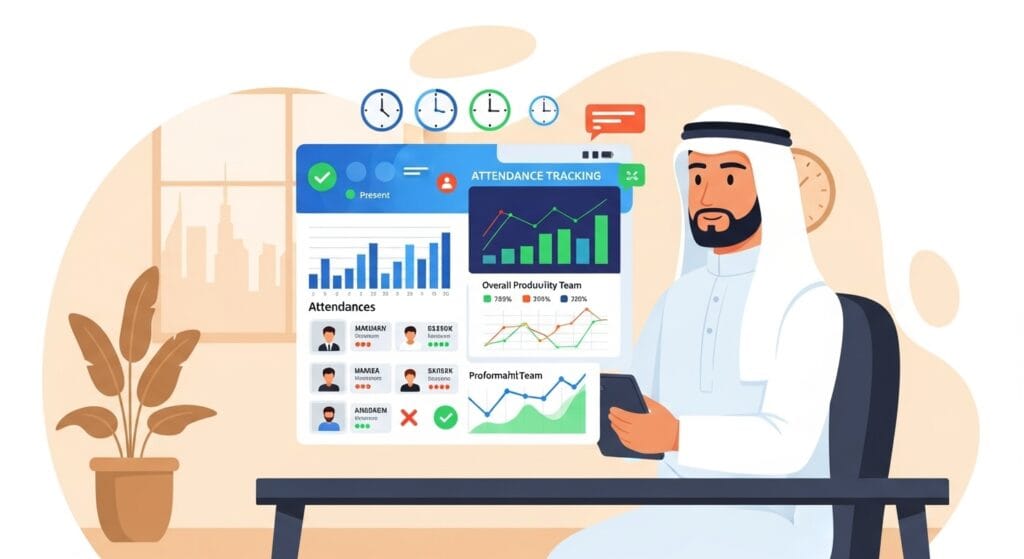
Manual timesheets and physical punch cards are relics of the past. The modern standard involves sophisticated, self-managed time tracking. Individuals can log their hours, view upcoming shift schedules, and monitor their accrued overtime in real-time. For organizations looking for the highest standard in this category, implementing the best self-service applications for attendance management in Saudi Arabia ensures absolute compliance with local labor laws while giving the team complete visibility into their working hours.
-
Transparent Payroll and Financial Documentation:
Money is the most sensitive touchpoint in any employment relationship. Ambiguity here causes immediate distress. A robust feature set allows individuals to view a granular breakdown of their compensation, including deductions, bonuses, and tax withholdings. More importantly, if they spot a discrepancy, they can flag it immediately through the system, ensuring corrections are made before the final payout, completely avoiding the anxiety of a short paycheck.
-
Self-Driven Learning and Development Modules:
Continuous education is vital for organizational growth. Instead of a top-down approach where training is forced, these platforms offer an open marketplace of knowledge. Team members can browse catalogs of online courses, enroll in certifications relevant to their roles, and track their progress visually. This transforms training from a mandatory chore into an exciting opportunity for personal advancement.
-
Continuous Performance and Goal Alignment:
The annual performance review is notoriously stressful and often ineffective because it relies on memory rather than continuous data. Modern features allow for ongoing self-assessments. Individuals can log their achievements weekly, set short-term objectives, and request feedback from peers or managers at any time. This creates an ongoing dialogue about performance rather than a once-a-year surprise.
To clearly illustrate the operational shift, consider the stark differences outlined below:
|
Operational Task |
The Traditional Bottleneck Method |
The Empowered Digital Method |
|
Requesting Paid Time Off |
Filling out a paper slip, finding the manager for a signature, handing it to the administration, waiting for manual balance verification. |
Submitting a digital request, the system auto-verifies the balance, the manager clicks “approve” on their phone, and the calendar auto-updates. |
|
Fixing a Payroll Error |
Discovering the error on payday, emailing the finance team, waiting days for an investigation, and making a manual adjustment. |
Spotting the discrepancy on the preliminary digital draft, submitting a flag with a note, finance reviews the specific line item and corrects it pre-payout. |
|
Updating Contact Info |
Sending an email to an administrative inbox, hoping the person on the other end reads it and types it correctly into the master file. |
Logging into the portal, typing the new phone number, and clicking save. The master database updates instantly and flawlessly. |
|
Tracking Career Goals |
Hoping the manager remembers the achievements discussed six months ago during the high-stress annual evaluation meeting. |
Logging milestones weekly into the performance dashboard creates an undeniable, timestamped record of success. |
How Does This Transformation Affect the Human Resources Department?
The narrative around automation often carries a subtle fear of job replacement, but in the context of administrative operations, the reality is entirely the opposite. The goal is not to eliminate the human element, but to rescue it from the crushing weight of administrative paperwork.
When an organization fully adopts these digital workflows, the internal mechanics change drastically. Industry data consistently shows that implementing robust platforms can eliminate up to 40% of routine administrative tasks. This massive reclamation of time begs the question: what does a team do when they suddenly get nearly half of their workweek back?
The answer lies in strategic elevation. When professionals are no longer trapped in a cycle of resetting passwords, explaining vacation policies, and manually calculating overtime, they can finally do the job they were hired to do: manage and develop human capital. This explains exactly how do self-service systems help reduce the burden on HR management, allowing them to pivot from reactive problem-solvers to proactive organizational architects.
With the busywork removed, the focus shifts to high-impact initiatives. Teams can dedicate their energy to analyzing turnover trends and building targeted retention strategies. They can spend time mediating complex workplace conflicts, designing comprehensive wellness programs, and focusing on acquiring top-tier talent. By removing the friction from the daily routine, the organization naturally sees a significant bump in retention rates. People rarely leave jobs because of a single major event; they leave due to the accumulation of daily frustrations. When an organization uses smart tools to enhance employee experience using self-service systems, it builds a protective barrier against turnover, saving the company massive amounts of money in recruitment and retraining costs.
Why is Daysum the Right Choice for Your Organizational Growth?
Transitioning to a culture of self-management requires more than just good intentions; it demands technology that is exceptionally reliable, highly secure, and brilliantly simple to use. This is where Daysum steps in as the definitive solution for modern businesses.
Daysum is engineered specifically to eliminate the gap between complex backend data and the daily user experience. We understand that software is only effective if people actually want to use it. Therefore, the Daysum platform features an intuitive interface that requires virtually no training, ensuring high adoption rates from day one.
By integrating every necessary component—from flawless time tracking to deep performance analytics—Daysum creates a unified ecosystem. There is no need to juggle multiple disjointed applications. Everything required to connect attendance and HR operations seamlessly is housed under one roof. When you choose Daysum, you are not just buying a software license; you are investing in a proven framework designed to strip away operational drag, elevate your team’s morale, and give your leadership the clarity needed to scale the business confidently.
Frequently Asked Questions
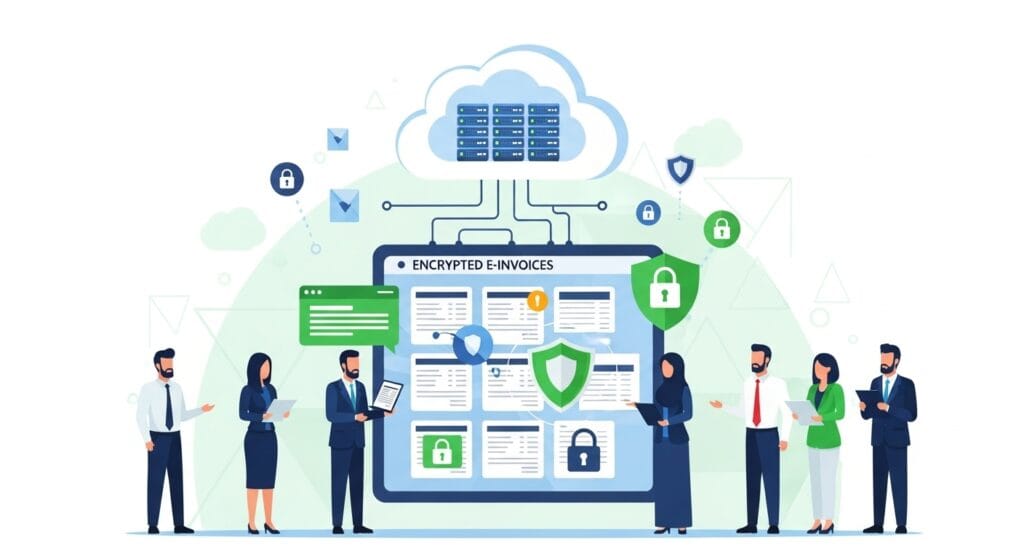
Quite the opposite. Traditional methods involving printed forms and emailed spreadsheets are highly vulnerable to loss, theft, and unauthorized viewing. Premium platforms utilize enterprise-grade encryption, multi-factor authentication, and strict role-based access controls. This ensures that sensitive financial and personal details are locked down securely and are only visible to the individual owner and authorized high-level administrators.
Modern platforms are designed with user experience as the top priority. The interfaces are built to mimic the simplicity of popular consumer applications, making them highly intuitive. Most actions require just a few clicks or taps on a smartphone. Furthermore, reputable providers ensure that comprehensive, easy-to-understand onboarding guides and dedicated support are available to ensure a smooth transition for every single user, regardless of their technical background.
Not at all. The platform enforces the rules; it does not eliminate them. Administrators configure the system based on the company's exact policies. For instance, the system will automatically block a request for paid time off if the person does not have enough accrued hours, or it will automatically route an expense claim to the correct department head for final approval. Control is actually centralized and strengthened, while execution is distributed.
The timeline varies depending on the size of the organization and the quality of the existing data. However, with a dedicated implementation team guiding the process, a standard rollout usually takes a few weeks. This period involves cleaning the historical data, customizing the approval workflows to match the company hierarchy, and conducting a brief orientation to familiarize everyone with their new digital workspace.
Absolutely. High-quality systems are built with open architecture and robust API capabilities. This means they are designed to communicate flawlessly with external financial tools. When payroll runs or expense reports are approved within the self-management portal, the data flows automatically and accurately into the master accounting software, eliminating the need for double data entry and ensuring financial records are always perfectly synchronized.