Gold ERP

تقنيات جديدة في إدارة مخزون متاجر الذهب: دليل شامل

New Inventory Management Technologies for Gold Stores: A Comprehensive Guide

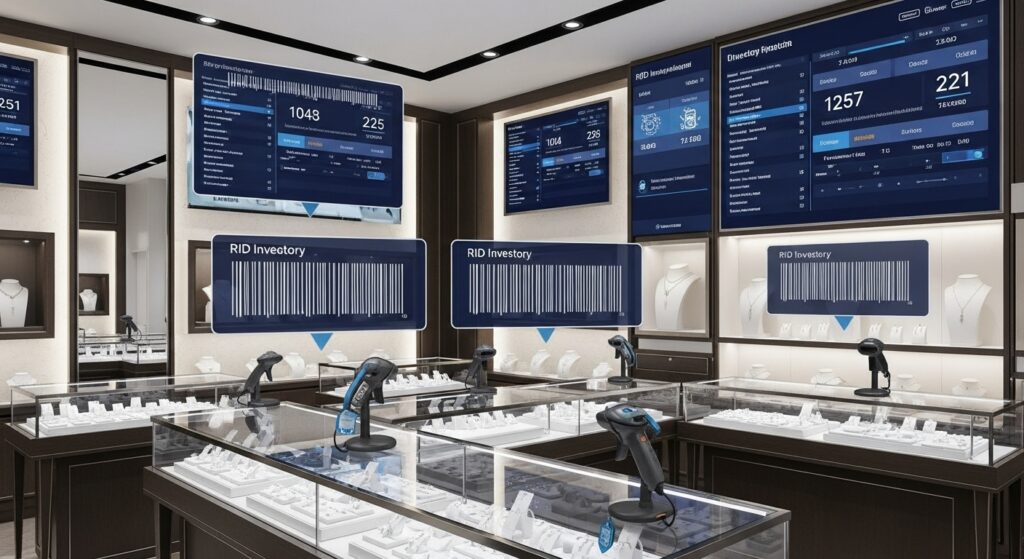
In the world of high-value commodities, a gold store is less like a traditional retail shop and more like a high-security financial vault. Every item on the shelf represents a significant portion of a company’s liquid capital, and even a minor discrepancy in weight or count can lead to substantial financial loss. For generations, jewelers relied on their memories and thick ledger books to track their treasures, but the modern market no longer allows for that margin of error. Today, the difference between a thriving jewelry brand and one that struggles to stay afloat often comes down to a single factor: the precision of their inventory management. When a business knows exactly what it owns, where it is, and what it’s worth at this very second, it gains a level of operational freedom that manual systems simply cannot provide. Why Inventory Control is the Lifeblood of a Profitable Jewelry Business Inventory management is often viewed as a back-office chore, but in reality, it is a front-line strategy. In the gold and jewelry sector, your inventory is your biggest expense and your only source of revenue. If you don’t respect the data behind your stock, the market will eventually force you to pay the price. Efficiently managing these assets involves a delicate balance of art and science, requiring a deep understanding of both customer desire and hard financial metrics. Navigating the Tension Between Stockouts and Overstocking One of the most difficult challenges for any jeweler is maintaining the “perfect” level of stock. Gold is expensive to hold. If you have too much capital tied up in heavy 22k gold sets that aren’t selling, that money is effectively “dead.” It can’t be used to pay suppliers, invest in marketing, or buy new, trendier designs. This “overstocking trap” is a common reason why seemingly successful shops face sudden liquidity crises. On the other side of the coin is the “stockout” problem. Imagine a customer walking in looking for a specific weight of gold coins or a particular style of 18k bracelet they saw on your website. If your records are messy and you realize the item is sold out only after searching the back room, you’ve lost more than just a sale; you’ve lost a customer’s trust. By implementing a professional gold inventory system, you can set automated re-order points. When your stock of a popular item hits a certain level, the system alerts you, ensuring you never have to turn a buyer away empty-handed. Boosting Service Standards with Instant Item Availability The modern jewelry buyer is well-informed and expects a premium experience. When someone enters a high-end gold store, they are looking for more than a product; they are looking for a relationship built on professionalism. Nothing kills a luxury sale faster than a salesperson who is unsure of what they have in stock. When your inventory is managed through a specialized gold management system, your staff can provide answers in seconds. They can use a tablet or a computer to instantly verify: Whether a specific ring size is available in another branch. The exact weight and karat of a piece without having to re-weigh it. The current price of an item based on the live gold market rate. This level of speed and accuracy makes the customer feel valued and reassures them that they are dealing with a reputable, modern business. Turning Inventory Data into Smarter Buying Decisions Deciding what to buy for the next season shouldn’t be a guessing game. It should be a data-driven decision. If your inventory system tracks the “turnover rate” of every category, you can see the truth of your business. You might discover that while you love your heavy, traditional bridal sets, it’s actually the thin, everyday 18k jewelry that provides 70% of your cash flow. With these insights, you can pivot your procurement strategy. You stop buying what isn’t moving and double down on what is. This optimization of the stock-mix is the secret behind the rapid growth of many modern jewelry chains. Using gold inventory management best practices allows you to stop being a “collector” of jewelry and start being an “investor” in high-turnover assets. Maintaining Regulatory Integrity in a Transparent Market The jewelry industry is under increasing scrutiny from regulatory bodies worldwide. In Saudi Arabia, for example, compliance with ZATCA and anti-money laundering (AML) regulations requires a level of record-keeping that is impossible to maintain by hand. Your inventory records must be an open book. Every gram of gold that enters your shop must be traceable to a supplier, and every gram that leaves must be tied to an invoice. A digital system ensures that your “Gold Ledger” is always balanced. If an auditor walks in, you don’t have to panic. You can pull a report showing your stock-on-hand, its value, and the corresponding transaction history in a matter of clicks. This transparency protects your license and your reputation. Revolutionary Technologies Reshaping the Jewelry Stockroom The leap from paper to digital was the first wave of change. Now, we are in the second wave, where physical items are digitally linked to the software in real-time. These technologies have removed the “human factor” from inventory counts, drastically reducing the time spent on administrative tasks. The Power of RFID: Moving Beyond Simple Scanning RFID (Radio Frequency Identification) is a game-changer for gold stores. Traditional barcoding requires a direct line of sight; you have to find the tag on every ring and scan it. If you have 2,000 items in a branch, a full audit takes hours, if not days. RFID changes this entirely. An RFID reader can “sense” every tag in a tray or a display case simultaneously, even if the items are stacked. You simply wave the reader over the display, and within seconds, your centralized gold management system tells you if anything is missing. This allows for: Daily Audits: You can check your entire stock every morning before opening, ensuring zero shrinkage. Bulk Processing: When a new shipment of 50 items

Read more
The Importance of Automation in Gold Store Management

The Importance of Automation in Gold Store Management

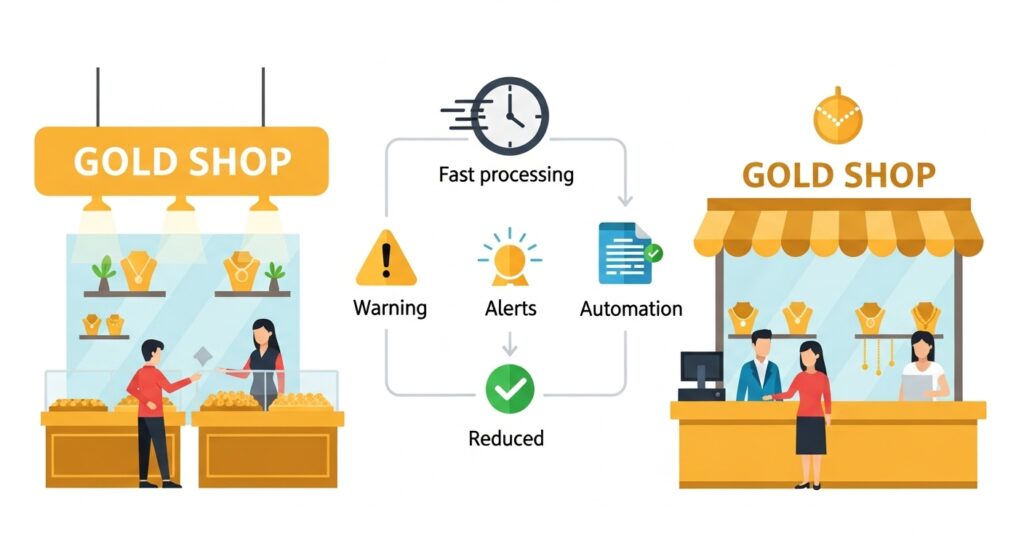
For generations, the gold trade has been built on a foundation of trust, heritage, and meticulous manual record-keeping. However, as the global market becomes more interconnected and customer expectations shift toward instant gratification, the traditional ways of managing a jewelry shop are being tested. It is no longer enough to simply have beautiful pieces in the display window; the back-end operations must be as flawless as the diamonds being sold. Automation has emerged not as a replacement for human expertise, but as a powerful partner that removes the friction from daily tasks, allowing business owners to focus on what truly matters: growth and relationship building. Transforming High-Value Inventory with Digital Precision In a business where your inventory is literally your capital, knowing exactly what is in your safe at any given second is paramount. Inventory management in a gold store is notoriously difficult because you aren’t just tracking items; you are tracking fluctuating metal values, varied purities, and intricate designs. When this process is done manually, it is prone to human fatigue and oversight. Transitioning to a digital approach changes the entire dynamic of the warehouse and showroom. Why Real-Time Visibility is the Heartbeat of a Successful Vault Imagine a scenario where a customer walks in asking for a specific 21k gold bridal set they saw on your social media page. In a manual shop, the salesperson might spend ten minutes searching the back room or calling other branches, only to realize the item was sold an hour ago. Real-time visibility eliminates this embarrassment. With a sophisticated gold inventory system, every single movement—from the workshop to the display case—is logged instantly. This transparency ensures that your sales team always has the correct information at their fingertips. It also provides business owners with peace of mind during the “Daily Close,” as they can verify that the physical weight in the store perfectly matches the digital records without spending hours on manual tallies. Moving Beyond Manual Scans with RFID and Advanced Barcoding Barcoding was the first step toward modernization, but RFID (Radio Frequency Identification) is where the true magic happens. Traditional barcoding requires a salesperson to find the tag on every ring and scan it one by one. During a large inventory audit, this could take an entire day. RFID automation allows you to scan an entire tray of jewelry in seconds just by waving a reader near it. This level of speed allows for “Daily Audits” rather than “Yearly Audits.” When you can check your entire stock every morning in five minutes, the chances of internal theft or misplaced items drop to near zero. This technical leap is a core feature of high-level erp gold solutions that prioritize security and speed. Balancing the Scales: Avoiding the Trap of Overstocking and Stockouts Jewelry capital is expensive. If you have too much 18k gold sitting in a branch where customers prefer 21k, your money is effectively “dead.” Conversely, running out of popular items means losing sales to the competitor down the street. Automation solves this by analyzing turnover rates. Smart systems can send alerts when stock levels for a specific category hit a “re-order point.” They can also highlight “dust-collectors”—items that haven’t moved in six months—giving you the data you need to melt them down into new designs or offer a targeted promotion. This optimization ensures that every gram of gold in your possession is working toward generating profit. Reimagining the Sales and Purchasing Lifecycle The point of sale is where the relationship is sealed, but it is also where most administrative bottlenecks occur. Calculating gold prices based on the morning’s rate, adding workmanship fees (Ojoor), and factoring in stones can be a slow process when done on a calculator. Automation turns this complex math into a seamless, professional interaction. The Speed of Trust: Enhancing the In-Store Customer Experience Modern customers value their time. They expect a shopping experience that is as fluid as a luxury brand’s flagship store. When a salesperson can scan an item and have the final price—inclusive of the current gold rate and VAT—appear on a screen instantly, it builds immediate trust. There is no second-guessing or “let me check with the manager.” This efficiency reduces wait times during busy holiday seasons and ensures that the showroom floor remains calm and focused on the art of the sale. Automated Invoicing and the End of Calculation Errors Mistakes in a gold shop can be incredibly costly. A simple decimal point error in a manual calculation could cost the shop thousands of riyals. Automated invoicing removes this risk entirely. The system pulls the live gold rate and applies it to the weight of the item automatically. By using the best gold accounting software, you also ensure that your invoices are compliant with regional tax laws, such as ZATCA in Saudi Arabia. Professional, digital invoices can be emailed or sent via WhatsApp to the customer instantly, providing them with a permanent, clear record of their purchase that includes all the necessary purity and weight certifications. Synchronizing Supplier Relations for Fluid Procurement Purchasing gold from suppliers is a dance of timing and price. Automating the purchasing side means your system can track “Gold Debt” versus “Cash Debt” with wholesalers. When you receive a shipment of new designs, the system can automatically update your inventory and your accounts payable simultaneously. If you are exchanging scrap gold for new items, an automated gold software tracks the weight sent out and the value received, ensuring that your metal accounts are always balanced. This removes the need for messy notebooks filled with supplier IOUs and provides a clear audit trail for every gram traded. Data Intelligence: Transitioning from Intuition to Analytics Many veteran jewelers rely on their “gut feeling” to decide what to buy for the next season. While experience is vital, data provides a level of accuracy that intuition cannot match. Automation turns every transaction into a data point that reveals the hidden story of your business. Spotting the Next Trend through Historical Sales Patterns

Read more
دليل شامل لاستخدام برنامج حساب الذهب في متاجر الذهب

Mastering Gold Accounting Software: A Step-by-Step Guide for Store Owners

In the world of high-value commerce, few sectors are as intricate as the gold and jewelry industry. Unlike typical retail where prices are relatively static and inventory is measured in units, jewelry businesses deal with commodities that change in value by the minute and are measured in fractions of a gram. Managing such a business requires more than just a ledger; it demands a deep understanding of how metal, labor, and market dynamics intersect. For business owners looking to scale, the transition from manual record-keeping to a digital ecosystem is not just an upgrade—it is a survival strategy. The key to this transition lies in understanding the specialized architecture of a modern gold management system. Why Traditional Accounting Systems Fall Short in the Jewelry Trade Many jewelry shop owners initially try to use generic accounting software, only to realize that these systems speak a different language. A standard retail program sees a ring as a “unit.” However, in the jewelry world, that ring is a composite of 18k gold (measured in grams), perhaps a few diamonds (measured in carats), and a specific labor cost (making charges). When the global price of gold jumps, a generic system has no way to automatically update the value of that inventory. This gap leads to massive manual recalculations, a high margin of error, and a constant risk of selling below the actual replacement cost of the metal. Furthermore, generic systems struggle with “gold-for-gold” exchanges, a cornerstone of the industry. If a customer brings in old gold to trade for a new necklace, a standard accounting package treats this as a mess of mismatched entries. This is exactly why the best gold accounting software is built from the ground up to handle multi-dimensional transactions where weight and value are tracked independently but synced perfectly. Specialized Features that Define a High-Performance Gold Platform To truly master your operations, the software you choose must go beyond simple bookkeeping. It acts as the brain of the business, connecting the workshop, the showroom, and the back office. Precision Tracking of Weight, Purity, and Asset Value In gold trading, the weight is the truth. If your system cannot track inventory down to the third decimal point, you are losing money. A robust gold software solution treats every item as a unique entity defined by its purity. Purity-Based Categorization: The system automatically segregates stock by Karat (24k, 22k, 21k, 18k, etc.), ensuring that the pure gold content is always calculated correctly for your balance sheet. Weight vs. Unit Logic: While you might sell “one necklace,” the system tracks the “gross weight,” “net weight” (gold only), and “stone weight.” This allows for accurate auditing during stocktakes. Wastage and Loss Management: During manufacturing or repairs, gold is lost in the form of dust or scrap. A specialized system accounts for these variances, ensuring your “metal account” with your workshop is always balanced. Synchronizing Operations with Real-Time Market Price Fluctuations The most stressful part of jewelry management is the volatility of the gold market. An efficient system removes this stress by integrating live price feeds. When the London Bullion Market Association (LBMA) or local gold associations update their rates, the software reflects these changes across your entire inventory. This ensures that your sales team is always quoting prices that reflect the current market reality, protecting your margins during sudden spikes or drops. Without this feature, your staff might spend hours manually re-tagging items or, worse, selling an item at yesterday’s lower price. Sophisticated Sales and Purchase Management with Tax Logic The sales cycle in a jewelry store involves complex layers. You aren’t just selling metal; you are selling craftsmanship. A dedicated gold accounting erp manages these layers seamlessly: Labor (Making Charges): The system can calculate labor based on a fixed price per gram or a percentage of the gold value. Taxation Compliance: In regions like Saudi Arabia, complying with ZATCA regulations for E-invoicing is mandatory. The software must automatically apply VAT on the “making charges” or the “total value” as per local law, generating compliant invoices in seconds. Discounts and Promotions: Managers can set specific discount rules—for example, a discount on labor costs while keeping the gold price fixed—preventing salespeople from eroding profit margins accidentally. Utilizing CRM to Transform Transactional Data into Customer Loyalty Jewelry is often an emotional purchase, marking anniversaries, weddings, or milestones. An integrated CRM (Customer Relationship Management) module is vital for building long-term wealth. Instead of just recording a name and a phone number, the system tracks: Purchase Preferences: Does the client prefer white gold over yellow? Do they collect 21k traditional designs? Significant Dates: Automated reminders for birthdays or anniversaries allow you to send personalized offers, driving repeat traffic. Credit History: For wholesale clients, tracking “gold debt” or “cash debt” is essential for managing risk. By knowing exactly how much a client owes in grams of gold, you are protected against currency fluctuations. Generating Strategic Financial Reports for Informed Decision-Making Data is only valuable if it is readable. The top gold accounting software provides a 360-degree view of your financial health through specialized reporting: Profit & Loss (P&L): See exactly where you made money—was it the metal gain or the workmanship fees? Balance Sheets: Get an instant valuation of your entire safe, adjusted for today’s gold price. Cash Flow Analysis: Monitor how much cash is coming in versus how much is tied up in slow-moving inventory. Daily Closing Reports: A “Z-Report” tailored for jewelry that summarizes total gold weight sold vs. cash collected, ensuring every gram is accounted for at the end of the shift. Navigating the Implementation Journey: From Setup to Success Choosing the right software is only half the battle; the implementation phase determines whether you get a return on your investment. A rushed setup leads to “dirty data” that can take months to clean. A structured approach ensures that the system becomes an asset from day one. Establishing the Data Foundation for Inventory and Partners The first step is a comprehensive data migration. This involves

Read more
كيف يؤثر برنامج إدارة الذهب على الكفاءة التشغيلية؟ دليل شامل

How Gold Management Software Affects Operational Efficiency

Running a gold store involves far more than displaying shimmering pieces in a glass case. It is a high-stakes environment where every gram of metal and every fluctuation in the market price directly impacts the bottom line. Success in this industry is built on a foundation of operational efficiency—the ability to manage high-value assets, complex financial regulations, and demanding customer expectations without missing a beat. When a business operates like a well-oiled machine, it doesn’t just survive; it thrives by capturing more opportunities and minimizing the risks inherent in precious metal trading. Fundamental Pillars of Efficiency in Gold Retail and Wholesale To understand how to improve a jewelry business, one must first look at the core areas that consume the most time and resources. Efficiency isn’t about working harder; it’s about creating a system where information flows naturally between the showroom and the back office. Mastering Inventory Control to Prevent Dead Capital Inventory is the most significant investment for any jeweler. However, many stores struggle with a persistent imbalance: they either run out of popular items during peak seasons or find their capital tied up in slow-moving stock that sits in the safe for years. Efficient inventory management requires a granular view of every item, from its weight and karat to its design origin. Real-Time Tracking: Knowing exactly what is on the shelf at any given moment prevents the frustration of “stockouts” when a customer is ready to buy. Weight Accuracy: In this industry, a fraction of a gram matters. A robust gold inventory system ensures that the physical weight always matches the digital record, reducing the chances of shrinkage or theft. Stock Rotation: By identifying which pieces are gathering dust, managers can launch targeted promotions or melt down old stock to create new, trendier designs, keeping the capital fluid. Refining the Sales and Purchasing Cycle for Maximum Fluidity The process of buying and selling gold is unique because the “cost of goods” changes every minute. An efficient sales process must account for live gold price updates while maintaining a smooth experience for the buyer. On the purchasing side, building strong, transparent relationships with suppliers is vital. If your procurement process is riddled with paperwork and delays, you miss the chance to buy when prices are favorable. Streamlining these workflows allows staff to focus on closing deals rather than calculating manual margins. Financial Precision and Legal Compliance in Gold Accounting Gold stores operate under a microscope of regulation. Between VAT requirements, Zakat calculations, and anti-money laundering (AML) laws, the room for error is zero. Manual accounting in a gold shop is an invitation for trouble. Efficiency here means having a system that automatically applies the correct tax rates and generates reports that are ready for auditors. Using the best gold accounting software transforms financial management from a month-end headache into a daily asset. It allows owners to see their true profit margins after factoring in the fluctuating cost of the metal, labor (workmanship), and stones. Cultivating Loyalty Through Superior Service Standards** While the product is valuable, the relationship is what brings people back. Efficiency in customer service means having the answers before the customer asks. When a client walks in, does your staff know their previous purchase history? Do they know their preferred karat or ring size? Providing this level of service requires organized data. If your team spends ten minutes searching for a manual ledger to check a warranty, the customer’s trust begins to wane. Speed and accuracy in service are the ultimate hallmarks of a professional gold store. How Digital Solutions Reshape Jewelry Business Management In the past, jewelry store owners relied on intuition and thick notebooks. Today, that approach is a liability. The transition to specialized erp gold solutions has leveled the playing field, allowing smaller shops to operate with the same sophistication as international brands. Automating Routine Operations to Reclaim Managerial Time Think about the hours spent every week on repetitive tasks: updating price tags when the gold rate changes, calculating daily sales totals, or generating inventory reports for insurance purposes. Automation removes these burdens. A modern gold software solution can update prices across the entire system with one click, ensuring that no piece is ever sold at an outdated rate. This “reclaimed time” allows owners to focus on marketing, staff training, and long-term expansion plans. Data Integrity as a Foundation for Growth Decisions Decisions made on “gut feeling” often lead to costly mistakes. Should you open a second branch? Should you invest more in 21k or 18k jewelry this season? Efficient businesses answer these questions with data. When every transaction and movement is recorded digitally, the integrity of your data becomes your greatest competitive advantage. You can see trends as they happen, allowing you to pivot your strategy before the competition even realizes the market has shifted. Visualizing Performance Through Advanced Analytics and Reporting A spreadsheet full of numbers is hard to read, but a visual dashboard tells a story. Advanced reporting tools allow managers to see: Sales Performance by Category: Which designs are the most profitable? Salesperson Efficiency: Who are your top performers, and who needs more training? Expense Tracking: Where is the store’s money going beyond the gold itself? These insights are crucial for identifying bottlenecks. If the data shows that the “purchasing” phase takes twice as long as it should, you can investigate and fix the specific issue within that workflow. Elevating the In-Store Experience Through Personalization Digital transformation isn’t just for the back office; it changes the showroom floor. With the right gold management system, a salesperson can use a tablet to show customers custom designs, check stock in other branches instantly, or send personalized “anniversary” discounts via SMS. This level of personalization makes the customer feel valued, increasing the likelihood of repeat business and word-of-mouth referrals. Comparing Traditional Methods with Modern Automated Systems Feature Traditional / Manual Management Daysum Specialized Gold ERP Price Updates Manual calculation for each item; high risk of error. Automatic, global updates based on live

Read more
كيفية حساب زكاة الذهب باستخدام البرمجيات: دليل شامل مع برنامج ديسم

How to Calculate Zakat on Gold Using Software: A Comprehensive Guide

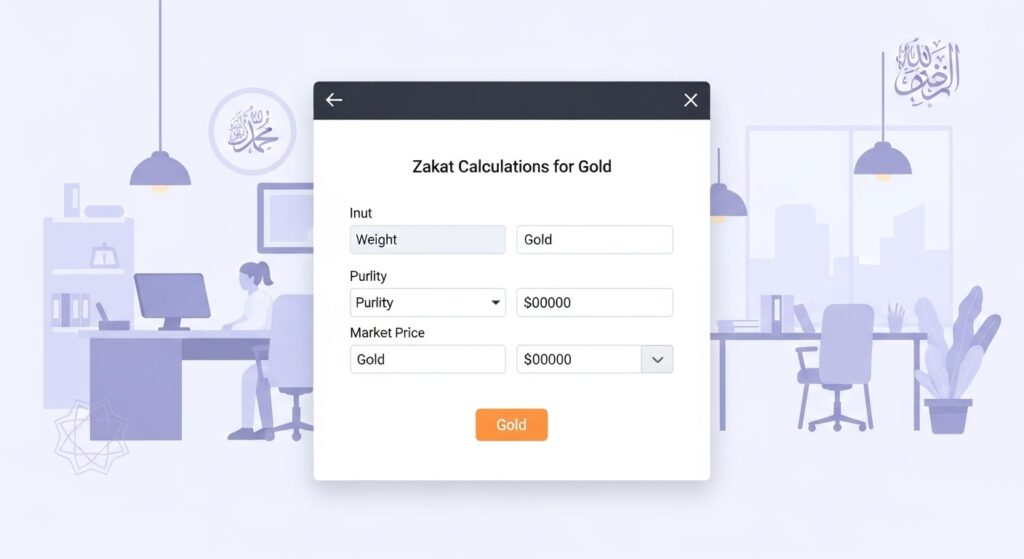
Managing financial obligations within the precious metals industry requires a unique blend of commercial precision and strict adherence to religious principles. For Muslim business owners and investors, wealth is not merely a tool for economic expansion; it carries a profound spiritual responsibility. Distributing a specific portion of accumulated wealth to those in need is a foundational practice, ensuring that capital circulates within the community rather than remaining entirely consolidated among a few entities. However, translating this noble spiritual concept into precise mathematical execution across a massive retail showroom or a wholesale distribution network is incredibly complex. A jewelry store is not a static bank account. It is a highly dynamic environment where physical assets are constantly bought, sold, traded, and remanufactured. The baseline value of these assets shifts continuously alongside global commodity indices. Attempting to calculate religious financial dues using outdated administrative methods exposes business owners to severe risks—both spiritual and financial. Modernizing this workflow through advanced enterprise technology is the only reliable method to guarantee absolute compliance while protecting the company’s operational cash flow. The Core Mechanics of Islamic Wealth Distribution Before exploring the technical solutions, it is essential to establish a firm understanding of the fundamental rules governing this obligation. The requirement to contribute 2.5% of qualifying wealth is a non-negotiable pillar for those who meet specific financial criteria. Unlike standard corporate taxes that are often levied on net profits or sales transactions, this contribution is assessed on the total accumulated value of the capital and inventory itself, provided it meets strict conditions. Defining the Absolute Minimum Threshold The obligation is not universally applied to every single gram of metal owned. It is only triggered when the total wealth reaches a specific minimum baseline, known as the Nisab. For precious metals, Islamic jurisprudence has clearly defined this threshold. The Nisab is universally recognized as the equivalent of 85 grams of pure, 24-karat gold. If an individual’s or a business’s total qualifying inventory falls below this specific weight (or its equivalent cash value), they are completely exempt from the obligation for that period. Understanding the Lunar Timeframe Reaching the 85-gram threshold is only the first condition. The second mandatory requirement is the passage of time, specifically referred to as the Haul. The wealth must remain in the owner’s possession, consistently above the minimum threshold, for one complete Islamic lunar year (approximately 354 days). This creates an immediate administrative challenge for modern corporations that operate their fiscal years, tax filings, and payroll systems entirely on the standard 365-day Gregorian calendar. Running two separate, overlapping calendars for different financial obligations requires meticulous record-keeping to ensure dates are not miscalculated. How Do You Calculate the Threshold Across Different Karats? One of the most significant complications in retail environments is that showrooms rarely stock only pure 24-karat items. The display cases are filled with diverse alloys—18-karat necklaces, 21-karat bridal sets, and 22-karat bangles. Because the 85-gram threshold is strictly based on pure gold, a store owner cannot simply place all their inventory on a scale and use the gross weight. Every single item must be mathematically converted to its 24-karat equivalent before the final assessment can be made. The conversion relies on isolating the exact percentage of pure metal within the alloy. Karat Purity Pure Gold Percentage Conversion Formula Example (for a 100g item) Equivalent 24k Weight 24 Karat 99.9% – 100% 100g × (24 ÷ 24) 100.00 grams 22 Karat 91.6% 100g × (22 ÷ 24) 91.66 grams 21 Karat 87.5% 100g × (21 ÷ 24) 87.50 grams 18 Karat 75.0% 100g × (18 ÷ 24) 75.00 grams If a business owns 100 grams of 18k gold, they do not possess enough pure gold to trigger the obligation (as 75 grams is below the 85-gram threshold). However, a retail store holds thousands of pieces across all these categories. Manually applying these fractional formulas to thousands of individual items is an administrative nightmare. Where Do Traditional Accounting Methods Fall Short? For decades, jewelers relied on pen, paper, and basic desktop calculators to manage these annual audits. Eventually, many transitioned to spreadsheet software like Excel. While spreadsheets offer basic automated arithmetic, they are entirely disconnected from the physical realities of the showroom and the volatility of the global market. The Exhausting Nature of Manual Data Entry Consider the physical process of a manual audit. At the end of the lunar year, the store manager must print out the entire stock list. They must go tray by tray, verifying the physical presence of each item, checking its gross weight, and manually subtracting the weight of any embedded diamonds, rubies, or zircon stones (as non-precious stones and diamonds have entirely different assessment rules and are generally excluded from the pure gold weight calculation). Once the gross weight is verified and the stones are subtracted, the staff must apply the karat conversion formulas listed above. Doing this manually for three or four thousand distinct rings and bracelets takes days of uninterrupted labor, forcing the business to close its doors to customers or forcing staff to work exhausting overnight shifts. The Threat of Constant Price Fluctuations The most critical rule of this religious assessment is that the 2.5% contribution is based on the market value of the gold on the exact day the lunar year ends, not the price the gold was originally purchased for six months prior. When relying on static spreadsheets, the accountant must manually search for the day’s global spot price, factor in the local currency exchange rate, and manually update the multiplier across all rows of data. If the market spikes violently during the afternoon of the assessment day, a static spreadsheet printed in the morning is immediately invalidated, resulting in a completely inaccurate final valuation. What Are the Financial Consequences of Human Error? When dealing with mathematics this tedious, human error is completely unavoidable. A tired employee might accidentally multiply an 18-karat inventory batch by the 21-karat formula, or forget to subtract the heavy weight of the cubic zirconia stones from a

Read more
أسعار الذهب

Gold Price Updates and How to Manage Them Through Software

Operating a retail enterprise in the precious metals sector requires navigating an environment where the core asset’s value changes by the minute. For jewelry business owners across the Kingdom of Saudi Arabia, the fluctuating price of gold on international commodity markets is not just an abstract economic indicator; it is a daily operational reality that directly dictates profitability, inventory strategy, and long-term business survival. The Saudi market presents a highly unique economic paradox. While global economic pressures often cause shifts in consumer spending, the cultural affinity for gold within the Kingdom creates a remarkably resilient demand curve. However, robust demand does not automatically translate into guaranteed business success. Without precise mechanisms to track, analyze, and respond to these rapid price changes, store owners risk selling their highly valuable inventory at a significant loss. Understanding the profound impact of these fluctuations and recognizing the severe limitations of outdated administrative methods is the first step toward securing your enterprise. What Drives the Unique Resilience of the Saudi Jewelry Market? To fully grasp the challenges of pricing and inventory management, one must first examine the foundational strength of the local market. The Saudi Arabia gold jewelry sector is an economic powerhouse, valued at approximately USD 4.78 billion in 2024. Economic forecasts indicate a staggering trajectory, with the market expected to grow at a Compound Annual Growth Rate (CAGR) of 10.1% straight through to 2033. This growth is fueled by a convergence of high disposable incomes, deeply rooted cultural traditions where gold remains central to weddings and familial gifting, and the sweeping economic diversification initiatives driven by Vision 2030. Defying Global Consumption Trends The true uniqueness of the Saudi market became glaringly apparent during the first quarter of 2025. During this period, the international market experienced a massive 34% surge in the price of raw gold. In almost every other major global economy, this dramatic price hike resulted in a steep decline in consumer purchases, with global jewelry demand dropping by 21%. The Saudi market reacted entirely differently. Despite the 34% price surge, domestic demand for gold jewelry actually rose by 35% year-over-year. Consumers within the Kingdom view gold not merely as a decorative accessory, but as a tangible, safe-haven asset. When inflation rises or currency values fluctuate, local investors and everyday consumers alike heavily rely on physical gold to hedge against economic uncertainty. This aggressive demand means that Saudi retailers are constantly moving high volumes of inventory, making the precise tracking of gold price updates and how to manage them through software an absolute necessity rather than an optional administrative upgrade. How Do Price Fluctuations Threaten Inventory Valuation? Inventory valuation is the financial heartbeat of a jewelry showroom. In a standard retail business, you purchase a product from a wholesaler at a fixed price, apply a standard markup, and place it on the shelf. The value of that item on your balance sheet remains relatively stable until it is sold. The precious metals industry operates under entirely different rules. The Mathematics of Replacement Costs When the global spot price of gold jumps by fifty dollars an ounce overnight, the physical inventory sitting in your display cases is suddenly worth significantly more. If a store owner fails to immediately adjust their retail prices to reflect this new market reality, they will sell the item based on its older, lower acquisition cost. While the sale might technically show a minor profit on paper, the business has actually suffered a massive loss in purchasing power. When the store manager goes back to the wholesale supplier to restock that exact same ring, they will have to pay the new, higher market rate. Because they did not maximize the sale price during the spike, they will not have enough capital from the sale to cover the replacement cost of the raw material. Protecting the Balance Sheet Conversely, if the market experiences a sudden, sharp correction and prices drop, overvalued inventory can severely distort a company’s financial statements. Holding massive amounts of stock purchased at peak prices while the retail value drops compresses profit margins to dangerous levels. Recognizing the importance of financial analysis in the gold industry empowers business owners to monitor these valuation shifts dynamically. Valuation Challenge Operational Consequence Necessary Business Action Sudden Price Spikes Selling items below current replacement cost destroys purchasing power. Immediate, store-wide retail price recalculation before opening the doors. Sharp Price Drops Holding overvalued stock that cannot be sold at a profitable markup. Strategic discounting or holding inventory until the market recovers. Volatile Trading Days Cashiers miscalculating prices during checkout, leading to customer disputes or financial loss. Implementation of automated, barcode-driven pricing systems. What Are the Realities of Pricing Strategies and Regional Competition? Navigating the cost of raw materials is only one part of the pricing equation. Saudi retailers must meticulously calculate their final retail prices while absorbing external regulatory costs and fighting off intense regional competition. The Impact of the 15% Value Added Tax (VAT) The implementation of a 15% Value Added Tax requires highly strategic pricing models. Depending on the specific nature of the transaction—whether it is the sale of a newly manufactured piece or a complex trade-in involving scrap gold—the tax is applied differently. Often, the VAT is calculated on the making charge (the artisan’s fee) and the profit margin, rather than the raw weight of the gold itself. Manually calculating these complex tax structures while the price of the underlying asset fluctuates is incredibly difficult. If a retailer applies a blanket markup that does not account for the exact tax liability, they will inadvertently eat into their own net profit. Competing with Neighboring Markets Saudi jewelers do not operate in a vacuum. They face fierce competition from neighboring markets, particularly the United Arab Emirates. While the UAE also implements VAT, the availability of tourist tax refunds and specific free-zone regulations often allows merchants there to offer highly competitive pricing on making charges. To retain local clientele and prevent consumers from traveling abroad for major bridal purchases, Saudi retailers

Read more
مقارنة بين برنامج حساب الذهب والطرق التقليدية: لماذا تحتاج إلى ديسم

Comparison Between Gold Accounting Software and Traditional Methods

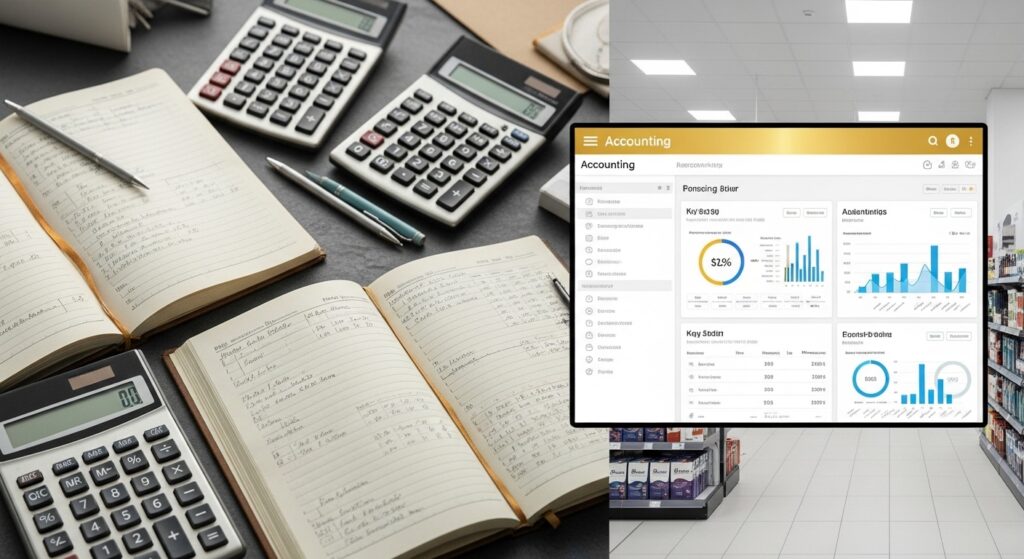
Managing the financial operations of a jewelry business is exceptionally complex. Unlike standard retail environments where products are purchased and sold at fixed prices, the precious metals sector deals with assets whose baseline values fluctuate continuously based on global commodity markets. Every transaction involves multiple moving parts, including the raw weight of the gold, specific karat purities, variable making charges, and the distinct valuations of precious stones. For decades, store owners managed these intricate variables using paper ledgers, physical receipt books, and eventually, basic electronic spreadsheets. While these methods served their purpose in a slower, less regulated era, relying on them in the modern commercial landscape creates severe operational bottlenecks. Understanding the profound differences in how financial data is captured, processed, and secured is critical for jewelry retailers looking to protect their assets and expand their market presence. The Hidden Costs of Outdated Financial Management The persistence of manual bookkeeping in some jewelry stores often stems from a reluctance to disrupt familiar daily routines. However, the hidden financial costs associated with these older practices far outweigh the perceived comfort of sticking with what is familiar. Examining the specific limitations of manual oversight reveals exactly where retail stores are losing money and slowing down their growth. Time-Consuming Manual Data Entry In a traditional setup, recording a single sale is a labor-intensive process. A cashier must weigh the item, manually calculate the raw gold value based on the current daily rate, add the specific making charge, factor in the stone cost, and finally calculate the applicable taxes. After the customer leaves, this entire transaction must be transcribed into a master ledger or typed into an unlinked spreadsheet. Double Entry Redundancy: Staff members often have to write the same information multiple times—once on the customer receipt, once in the daily sales log, and again in the master inventory book. Loss of Sales Floor Time: Hours spent calculating numbers and writing in ledgers are hours that sales professionals are not spending interacting with clients, showcasing new designs, or closing deals. Severe Limitations in Analysis and Reporting Data recorded on paper or in flat spreadsheets is essentially trapped. If a store manager wants to know exactly how many 21-karat bangles were sold in the last quarter compared to the same period last year, they must spend hours manually tallying lines across dozens of pages. Because generating comprehensive reports is so difficult, management often operates blindly. They make purchasing decisions based on gut feelings rather than hard data, leading to overstocked display cases filled with slow-moving inventory, while highly profitable, fast-selling items run out of stock without anyone noticing. The Danger of Inconsistent Standardization When multiple employees are responsible for updating manual records, inconsistencies are inevitable. One employee might record a piece simply as “gold ring,” while another might write “18k ring with zirconia.” This lack of standardized data entry makes conducting accurate physical audits nearly impossible. When the written descriptions do not match a strict naming convention, finding specific pieces during an end-of-month stock check turns into a frustrating, day-long ordeal that requires shutting down the entire store. High Vulnerability to Catastrophic Human Errors Human error is the most significant risk associated with traditional bookkeeping. In the jewelry trade, where a single decimal point shift can alter a calculation by hundreds or thousands of dollars, these mistakes are disastrous. A distracted employee might apply a 21-karat price to an 24-karat piece, or forget to subtract the weight of the stones before calculating the raw metal value. Furthermore, manual ledgers are highly susceptible to physical damage, loss, or intentional tampering, leaving the business completely exposed to internal theft and untraceable financial shrinkage. What Capabilities Do Modern Digital Platforms Offer? To counteract the massive inefficiencies of paper-based systems, industry leaders have transitioned to specialized enterprise platforms. By centralizing all operations into a single digital environment, these systems remove the friction from daily administration. Comprehensive Inventory and Asset Tracking A specialized gold inventory system transforms physical stock into highly detailed digital profiles. Every single item in the store is assigned a unique serial number and a scannable barcode or RFID tag. The software tracks not just the quantity of items, but their specific quality and fluctuating value. It records the exact supplier, the date of acquisition, the gross weight, the net gold weight, and the distinct manufacturing costs. When a piece is moved from a secure vault to a display tray, or transferred to another branch across the city, the system logs the exact time and the employee responsible, creating an unbroken chain of custody. Automated Pricing and Live Market Calculations The most powerful feature of an industry-specific platform is its ability to handle dynamic pricing. Instead of cashiers relying on printed rate charts and handheld calculators, the software connects directly to live global commodity feeds. When the price of gold shifts on the international market, the system instantly updates the base retail value of every applicable item in the store’s inventory. At the checkout counter, scanning the barcode instantly calculates the exact, up-to-the-second price, applying the correct making charges and stone values automatically. This completely protects the store’s profit margins during sudden market spikes and ensures the customer receives a fair, mathematically accurate price. Advanced Customer and Order Management Tracking client interactions manually is virtually impossible. Modern software includes robust Customer Relationship Management (CRM) modules that capture vital data at the point of sale. Custom Orders: If a client requests a bespoke diamond necklace, the system tracks the order from the initial deposit, through the workshop manufacturing phases, right up to the final delivery and payment settlement. Trade-in Transactions: The software effortlessly handles complex scenarios where a customer trades in scrap gold. It calculates the purchase value of the old gold, applies it as a credit toward the new purchase, and balances the financial ledgers perfectly. Generating Flawless Financial Reports Replacing disorganized receipts with the best gold accounting software provides executive management with immediate financial clarity. Because every inventory movement and point-of-sale transaction is intrinsically linked

Read more
برنامج إدارة مؤسسات الذهب

The Ultimate Guide to Choosing the Best Gold Management Software

Operating a commercial enterprise in the precious metals and gemstone sector involves a unique set of operational variables that standard retail businesses never encounter. Every single milligram of inventory carries immense financial weight, and the baseline value of that inventory is intrinsically tied to a global commodity market that fluctuates continuously throughout the day. The financial risk of misplacing a single physical asset, miscalculating a complex making charge, or failing to accurately assess the purity of a trade-in item can severely damage a store’s profit margins. Relying on generic point-of-sale systems or outdated manual ledgers leaves the business exposed to critical vulnerabilities. Transitioning to a dedicated digital ecosystem is the most reliable strategy to safeguard physical assets, track intricate financial movements, and drive sustainable commercial growth. Taking the time to understand the benefits of using gold and jewelry management software is the foundational step toward modernizing your brand, eliminating costly human errors, and preparing your operations for large-scale, multi-branch expansion. How Does Enhanced Inventory Management Prevent Devastating Losses? The concept of stock control in a jewelry showroom goes far beyond simply knowing how many items are sitting on a shelf. The inventory consists of highly valuable, highly targeted assets that require an unbroken chain of custody from the moment they arrive from the wholesale manufacturer until the exact second they are sold to a retail customer. Eliminating Blind Spots with Real-Time Stock Tracking When relying on spreadsheets or paper records, store owners only have a vague approximation of their actual inventory. If a customer asks for a specific 21k gold bangle, the sales staff must physically search the display trays. A dedicated software platform digitizes the entire physical space. The moment a new shipment is verified and entered into the database, it becomes instantly visible across the entire network. If a piece is moved from the front window display to the secure overnight vault, the system logs the exact time of the transfer and records which specific employee authorized the movement. This level of immediate oversight acts as a powerful deterrent against internal theft and shrinkage. When employees know that every item is digitally monitored, the likelihood of misplaced inventory drops to near zero. Utilizing Barcode and Serial Number Integration Traditional auditing requires closing the store, pulling every tray from the displays, and manually verifying each piece against a master list—a process that is slow, exhausting, and highly prone to counting errors. By implementing specialized technology, businesses can completely overhaul this workflow. Seeing how the gold inventory system transforms jewelry stores in KSA highlights the power of unique identification. Every single ring, necklace, and earring is assigned a distinct serial number and a corresponding, scannable barcode tag. Rapid Audits: A manager can use a handheld scanner to sweep a tray of fifty rings, instantly verifying the physical count against the digital ledger in mere seconds. Instant Information Retrieval: At the checkout counter, scanning the tag instantly displays the item’s precise weight, karat purity, stone details, and base cost on the screen, completely eliminating the need for cashiers to type in long, complex item codes. Why Are Automated Stock Alerts Crucial for Revenue? Certain styles and specific weights move much faster than others, particularly during high-demand periods like wedding seasons or major holidays. If you run out of your best-selling designs without realizing it, you are actively turning away guaranteed sales. Intelligent platforms continuously analyze your daily sales velocity. Management can establish minimum stock thresholds for specific categories. When your available inventory of popular 18k Italian chains drops down to five pieces, the system automatically triggers a notification to the purchasing department. This proactive approach guarantees that your display cases remain fully stocked with the items your customers actually want to buy, preventing dead zones in your product offerings. Why is precise financial control the Backbone of Your Profitability? The financial mechanics of selling precious metals are exceptionally complicated. You are not purchasing a non-stationary good for a fixed price and applying a standard markup. The base cost of your inventory changes every single minute based on international trading desks. Mastering Cost and Profit Calculations To understand your true net profit, you must know exactly what each piece costs you to acquire, craft, and prepare for the retail floor. This calculation goes far beyond the raw material price. When evaluating the best gold accounting software available in the market, you must ensure the platform can break down the Cost of Goods Sold (COGS) into highly specific variables: Raw Gold Value: The precise weight of the metal multiplied by the exact market rate on the day it was purchased or manufactured. Labor and Making Charges (Maso’eyah): The specific fees paid to the artisan, factory, or wholesale supplier for crafting the intricate design. Stone Valuations: The distinct, separate cost of the diamonds, rubies, or emeralds set into the piece, which do not fluctuate with the daily gold rate. Manufacturing Wastage: The tiny percentage of gold dust inevitably lost during the polishing and finishing process in the workshop, which must be accurately factored into the final retail cost. The system aggregates all these variables the moment the item is entered into the vault. When the item is eventually sold, the software instantly compares the final transaction price against this highly detailed COGS calculation, revealing your exact net profit margin on that specific sale. Safeguarding Margins During Market Volatility A sudden geopolitical event can cause the price of an ounce of gold to spike dramatically within a matter of hours. If your store is still calculating retail prices based on yesterday’s closing rates, you are actively losing money on every transaction, effectively selling your assets below their current replacement value. Understanding gold price updates and how to manage them through software is vital for survival. The platform connects directly to global commodity feeds via an API. When the price of 24k gold shifts on the international market, the software automatically recalculates the retail price of every single 18k, 21k, and 22k item in your

Read more
ادارة محلات الذهب والمجوهرات

Benefits of Using Gold and Jewelry Management Software: A Guide for Businesses

Operating a retail business in the precious metals and gem sector is fundamentally different from selling standard consumer goods. When your inventory is tied directly to volatile global market indices, and every gram of material carries immense financial weight, relying on basic point-of-sale systems or manual ledger books is a direct threat to your profit margins. A single miscalculation in the weight of a stone, a slight error in applying the daily making charge, or a misplaced physical asset can result in thousands of riyals in lost revenue. To maintain total control over these high-value assets and complex financial variables, industry leaders are transitioning to specialized digital platforms. By adopting dedicated enterprise resource planning tools, owners can completely transform how they handle daily operations. Exploring the core capabilities of these platforms reveals exactly why replacing legacy methods with sophisticated technology is the only sustainable path for growth in the modern jewelry market. The Transformation of Physical Stock Control Inventory is the lifeblood of any jewelry enterprise. However, managing it involves much more than simply counting items on a shelf. Every piece has a unique composition—combining different karats of gold, varied weights, and potentially multiple types of precious stones. Maintaining an accurate count of these complex items requires precision that human accounting simply cannot sustain over time. Real-Time Tracking from Workshop to Display Case When you implement new inventory management technologies for gold stores, the entire lifecycle of a piece of jewelry becomes visible on your digital dashboard. The moment a new shipment of bracelets arrives from the wholesale supplier or a custom ring is finished in your internal workshop, it is logged into the system. This continuous tracking creates an unbroken chain of custody. If a specific diamond necklace is moved from the main display window to the secure overnight vault, the system records the exact time of the movement and the specific employee who authorized it. This level of immediate oversight prevents items from being misplaced during busy shifts and ensures that the physical count perfectly matches the digital ledger at any given second. Eliminating Manual Audits with Barcode Integration Traditional stock-taking in a jewelry store is a grueling process. It typically involves closing the store for an entire day, pulling every single item from the trays, and manually checking them against a printed spreadsheet. This method is incredibly slow and highly susceptible to human error. Modern platforms utilize advanced barcode and RFID (Radio Frequency Identification) scanning. Each piece is tagged with a tiny, specialized label containing a unique identifier. Rapid Auditing: During an audit, an employee simply passes a handheld scanner over a tray of 50 rings, and the system instantly verifies all 50 items against the database in a matter of seconds. Instant Sales Logging: At the point of sale, scanning the tag instantly pulls up the item’s exact weight, karat purity, and base cost, completely eliminating the need for the cashier to manually type in long serial numbers. Why Are Automated Stock Alerts Necessary? In the retail jewelry business, certain styles and weights move faster than others. A specific design of an 18k gold chain might be your best seller during the wedding season. If you run out of this item without realizing it, you are actively turning away guaranteed revenue. Intelligent software continuously analyzes your sales velocity. You can set minimum threshold levels for specific categories or individual items. When your stock of those popular 18k chains drops to three pieces, the system automatically triggers an alert to the purchasing manager. This proactive approach ensures your display cases remain fully stocked with the items your customers actually want to buy, preventing dead zones in your inventory. Lot and Serial Number Tracking for Ultimate Security High-value assets require individualized tracking. While a supermarket might group all identical cereal boxes under one code, a jeweler must treat every identical-looking ring as a distinct financial asset. Assigning a unique serial number to every single piece allows for granular tracking. If a customer returns a ring for a resizing or a repair, the serial number instantly pulls up the original date of purchase, the exact weight at the time of sale, and the specific staff member who handled the transaction. Furthermore, relying on a centralized gold management system to reduce theft and increase profitability deters internal shrinkage. Employees know that every piece is uniquely identifiable and constantly monitored, significantly reducing the temptation for internal theft. Mastering Cost and Profit Calculations in a Volatile Market The financial mechanics of selling gold are uniquely complicated. You are not buying a product for $50 and selling it for $100. The base cost of your inventory fluctuates every single minute based on the global commodities exchange. Managing these moving targets manually often leads to stores accidentally selling items at a loss during sudden market spikes. Decoding the Cost of Goods Sold (COGS) To understand your true profit, you must know exactly what each piece cost you to acquire and prepare for sale. This goes far beyond the raw material price. Utilizing Daysum accounting for gold and jewellery COGS management allows you to break down the cost of a single ring into multiple distinct variables: Raw Material: The specific weight of the gold multiplied by the market rate on the day of acquisition. Stone Value: The distinct cost of the diamonds or emeralds set into the piece. Labor and Making Charges: The fees paid to the artisan or factory for crafting the design. Wastage: The tiny percentage of gold dust lost during the polishing and finishing process, which must be factored into the final cost.The software automatically aggregates all these variables the moment the item is entered into inventory. When the item is eventually sold, the system instantly compares the final sale price against this exact, highly detailed COGS calculation, revealing your true net margin. Automated Profit Margin Analysis Understanding which products are driving your business is critical for future purchasing decisions. Are you making more money selling high-volume, low-margin 21k bangles, or

Read more
top
Business Challenges

Digital Transformation

Security

Automation

Gaining Efficiency