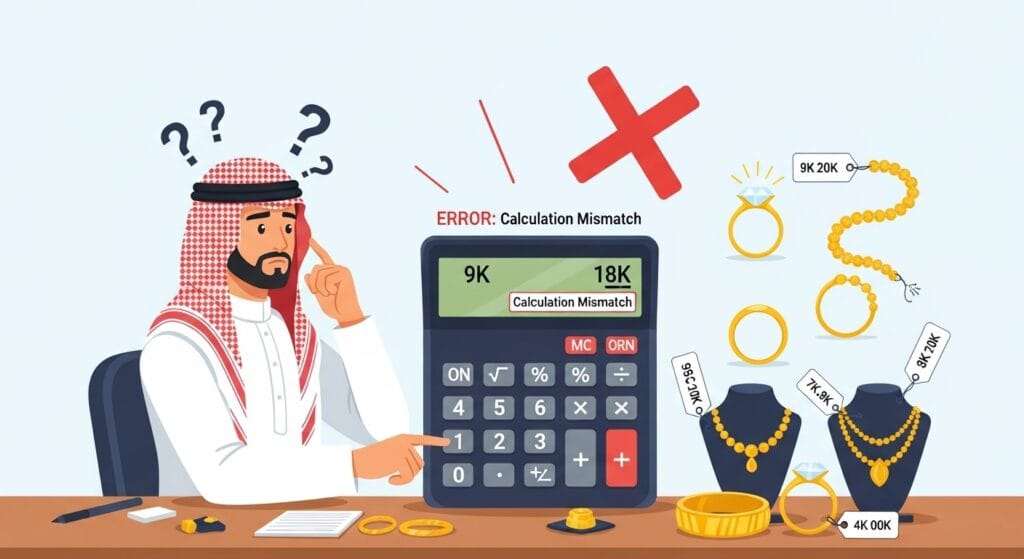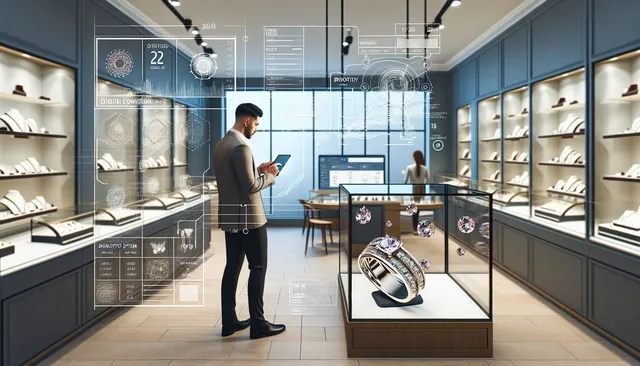
For generations, the gold trade has been built on a foundation of trust, heritage, and meticulous manual record-keeping. However, as the global market becomes more interconnected and customer expectations shift toward instant gratification, the traditional ways of managing a jewelry shop are being tested. It is no longer enough to simply have beautiful pieces in the display window; the back-end operations must be as flawless as the diamonds being sold. Automation has emerged not as a replacement for human expertise, but as a powerful partner that removes the friction from daily tasks, allowing business owners to focus on what truly matters: growth and relationship building.
Transforming High-Value Inventory with Digital Precision
In a business where your inventory is literally your capital, knowing exactly what is in your safe at any given second is paramount. Inventory management in a gold store is notoriously difficult because you aren’t just tracking items; you are tracking fluctuating metal values, varied purities, and intricate designs. When this process is done manually, it is prone to human fatigue and oversight. Transitioning to a digital approach changes the entire dynamic of the warehouse and showroom.
Why Real-Time Visibility is the Heartbeat of a Successful Vault
Imagine a scenario where a customer walks in asking for a specific 21k gold bridal set they saw on your social media page. In a manual shop, the salesperson might spend ten minutes searching the back room or calling other branches, only to realize the item was sold an hour ago. Real-time visibility eliminates this embarrassment.
With a sophisticated gold inventory system, every single movement—from the workshop to the display case—is logged instantly. This transparency ensures that your sales team always has the correct information at their fingertips. It also provides business owners with peace of mind during the “Daily Close,” as they can verify that the physical weight in the store perfectly matches the digital records without spending hours on manual tallies.
Moving Beyond Manual Scans with RFID and Advanced Barcoding
Barcoding was the first step toward modernization, but RFID (Radio Frequency Identification) is where the true magic happens. Traditional barcoding requires a salesperson to find the tag on every ring and scan it one by one. During a large inventory audit, this could take an entire day.
RFID automation allows you to scan an entire tray of jewelry in seconds just by waving a reader near it. This level of speed allows for “Daily Audits” rather than “Yearly Audits.” When you can check your entire stock every morning in five minutes, the chances of internal theft or misplaced items drop to near zero. This technical leap is a core feature of high-level erp gold solutions that prioritize security and speed.
Balancing the Scales: Avoiding the Trap of Overstocking and Stockouts
Jewelry capital is expensive. If you have too much 18k gold sitting in a branch where customers prefer 21k, your money is effectively “dead.” Conversely, running out of popular items means losing sales to the competitor down the street. Automation solves this by analyzing turnover rates.
Smart systems can send alerts when stock levels for a specific category hit a “re-order point.” They can also highlight “dust-collectors”—items that haven’t moved in six months—giving you the data you need to melt them down into new designs or offer a targeted promotion. This optimization ensures that every gram of gold in your possession is working toward generating profit.
Reimagining the Sales and Purchasing Lifecycle
The point of sale is where the relationship is sealed, but it is also where most administrative bottlenecks occur. Calculating gold prices based on the morning’s rate, adding workmanship fees (Ojoor), and factoring in stones can be a slow process when done on a calculator. Automation turns this complex math into a seamless, professional interaction.
The Speed of Trust: Enhancing the In-Store Customer Experience
Modern customers value their time. They expect a shopping experience that is as fluid as a luxury brand’s flagship store. When a salesperson can scan an item and have the final price—inclusive of the current gold rate and VAT—appear on a screen instantly, it builds immediate trust. There is no second-guessing or “let me check with the manager.” This efficiency reduces wait times during busy holiday seasons and ensures that the showroom floor remains calm and focused on the art of the sale.
Automated Invoicing and the End of Calculation Errors
Mistakes in a gold shop can be incredibly costly. A simple decimal point error in a manual calculation could cost the shop thousands of riyals. Automated invoicing removes this risk entirely. The system pulls the live gold rate and applies it to the weight of the item automatically.
By using the best gold accounting software, you also ensure that your invoices are compliant with regional tax laws, such as ZATCA in Saudi Arabia. Professional, digital invoices can be emailed or sent via WhatsApp to the customer instantly, providing them with a permanent, clear record of their purchase that includes all the necessary purity and weight certifications.
Synchronizing Supplier Relations for Fluid Procurement
Purchasing gold from suppliers is a dance of timing and price. Automating the purchasing side means your system can track “Gold Debt” versus “Cash Debt” with wholesalers. When you receive a shipment of new designs, the system can automatically update your inventory and your accounts payable simultaneously.
If you are exchanging scrap gold for new items, an automated gold software tracks the weight sent out and the value received, ensuring that your metal accounts are always balanced. This removes the need for messy notebooks filled with supplier IOUs and provides a clear audit trail for every gram traded.
Data Intelligence: Transitioning from Intuition to Analytics
Many veteran jewelers rely on their “gut feeling” to decide what to buy for the next season. While experience is vital, data provides a level of accuracy that intuition cannot match. Automation turns every transaction into a data point that reveals the hidden story of your business.
Spotting the Next Trend through Historical Sales Patterns
Is yellow gold making a comeback over rose gold? Are customers moving toward smaller, everyday pieces rather than heavy sets? Automated reporting answers these questions with hard numbers. By reviewing sales trends over the last quarter, you can see exactly which designs, weights, and price points are moving fastest. This allows you to tailor your workshop production or supplier orders to meet the actual demand of the market, significantly increasing your ROI.
Financial Integrity: Managing AR/AP and Compliance with Ease
Financial management in a jewelry store is a unique beast. You are dealing with receivables and payables that might be denominated in both currency and gold weight. Automation handles this duality effortlessly.
- AR/AP Management: Instantly see who owes you gold and who you owe money to, with automated reminders for pending payments.
- Tax Compliance: Generate tax reports with one click, ensuring you never face penalties for late filings or incorrect VAT calculations.
- Expense Tracking: Beyond the gold, track your rent, staff salaries, and marketing costs in one place to see your true net profit.
This level of control is what defines a modern gold management system, giving owners the clarity to make bold business decisions without fear of financial surprises.
Cultivating Lasting Bonds through Automated CRM Strategies
Jewelry is almost always tied to a milestone—a wedding, a graduation, or an anniversary. A store that remembers these moments is a store that builds a legacy. Automation makes it possible to maintain this personal touch even as you scale to thousands of customers.
Customer Relationship Management (CRM) automation allows you to create detailed profiles. When a customer buys a 21k gold necklace for their wife’s birthday, Daysum can record that date. Next year, a week before the birthday, the system can automatically send a personalized SMS or email with a special offer on a matching bracelet. This level of personalized service makes the customer feel like a VIP, ensuring that your store is the first place they think of for their next celebratory purchase.
Side-by-Side: The Operational Shift from Manual to Automated Systems
To visualize the transformation, let’s look at how the daily tasks of a jewelry shop change once automation is introduced.
|
Operation |
Manual Traditional Shop |
Automated Daysum Environment |
|
Gold Price Updates |
Calls to the association; manual price-tag re-writing. |
Instant global updates across all tags and POS. |
|
Inventory Audit |
Days of closing the shop and counting by hand. |
Minutes using RFID or barcode mass-scanning. |
|
Sales Calculation |
Calculators, paper pads, and high risk of error. |
Automated logic based on weight, karat, and Ojoor. |
|
Customer Loyalty |
Relying on the memory of old staff members. |
Automated reminders for birthdays and anniversaries. |
|
Reporting |
End-of-month stress with messy spreadsheets. |
Real-time dashboards accessible on your mobile phone. |
|
Compliance |
Manual VAT tallies; prone to audit risks. |
Automated ZATCA-compliant invoicing and tax logs. |
Frequent Asked Questions
Automation creates a "paperless trail" that is very difficult to manipulate. With RFID tracking and real-time inventory updates, every item is accounted for multiple times a day. If an item is moved or sold, the system records exactly who performed the action and when. This high level of accountability and the ability to perform instant spot-checks act as a powerful deterrent to any irregularities.
Modern solutions like Daysum are designed with a "user-first" philosophy. The interfaces are intuitive and often mimic the natural workflow of a jewelry sale. Most staff members find that once they get over the initial learning curve (which usually takes a few days), their jobs become much less stressful because the software handles the difficult math and record-keeping for them.
Yes, this is one of the biggest benefits. A specialized system has a dedicated module for "Old Gold." It allows you to enter the weight and karat of the customer’s gold, calculates its current scrap value, and applies it as a credit toward their new purchase instantly. It even handles the accounting entry to add that scrap gold to your "Melting" or "Supplier Exchange" inventory.
While the most powerful features (like live gold price updates) require internet, many systems offer an "offline mode." This allows you to continue making sales and printing invoices even if the internet goes down. Once the connection is restored, the system automatically synchronizes all data with the cloud, ensuring your records stay up to date without interrupting the shop's flow.
Actually, small boutiques often see the fastest return on investment. In a small shop, the owner is usually doing everything—sales, accounting, and inventory. Automation frees up hours of the owner's time every day. By reducing errors and improving the professional look of the business, a small shop can compete directly with much larger chains, often leading to a significant increase in total sales volume.