Modern Trends in Attendance Management
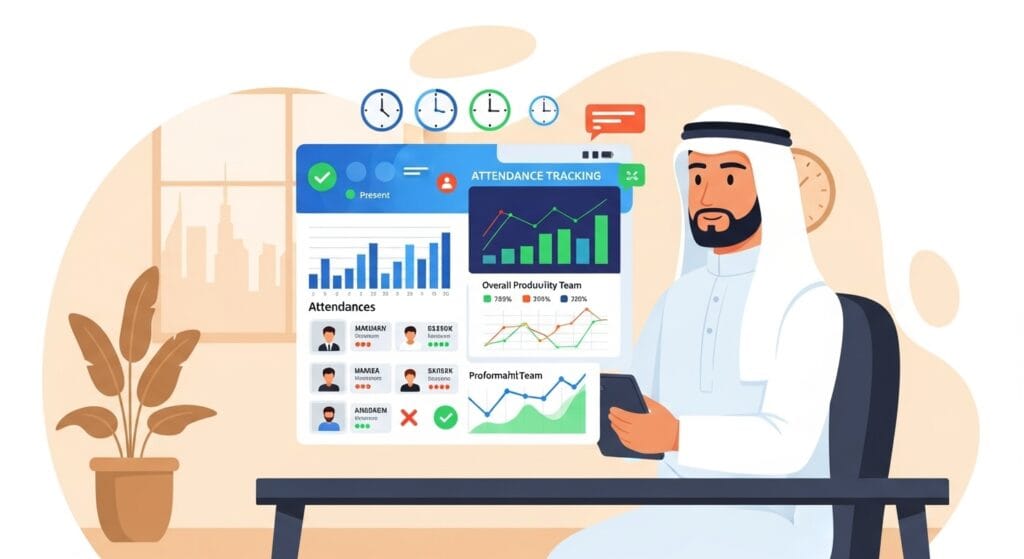
The landscape of attendance management is undergoing a significant transformation, driven by technological advancements and evolving workplace dynamics. As we step further into the decade, organizations are embracing innovative solutions to streamline their attendance processes, enhance employee satisfaction, and boost productivity. In the Kingdom of Saudi Arabia, this shift is not just a trend but a strategic mandate under Saudi Vision 2030.
Saudi attendance systems are achieving unprecedented milestones, with 99% accuracy rates via advanced facial recognition technologies. These systems, provided by leaders like ZKTeco, Camtend, and Daysum, are integrating deeply with national platforms like Qiwa and the Wage Protection System (WPS). By doing so, they are reducing payroll errors by up to 80% amid a massive national digital push.
Simplify your workflow and stay compliant with zatca e-invoicing from Daysum.
Why Modernize Your Attendance Management System?
Traditional attendance management systems often struggle with manual data entry, time-consuming processes, and a lack of real-time insights. In the Saudi context, manual tracking causes up to 30% in payroll discrepancies. These limitations can lead to errors, inefficiencies, and significant compliance risks, especially with the introduction of the “Hoduri” platform and strict labor ministry regulations.
By upgrading to a modern cloud attendance system, you can:
- Increase Efficiency and Accuracy: Automated systems reduce human error and streamline the entire logging process.
- Improve Employee Satisfaction: User-friendly tools and flexible timekeeping options enhance the overall employee experience, making “clocking in” a frictionless part of the day.
- Better Decision-Making: Real-time data and analytics provide valuable insights into workforce trends, helping managers allocate resources more effectively.
- Enhanced Security and Compliance: Robust security measures protect sensitive employee data and ensure compliance with GOSI reporting and local labor regulations.
- Audit Trail Transparency: Digital systems provide an immutable record of presence, which is vital for resolving disputes and passing regulatory audits.
AI’s Strategic Importance in the Saudi Workforce
Artificial Intelligence (AI) is the engine behind this transformation. AI eliminates “buddy punching”—the practice of one employee clocking in for another—and eradicates manual entry errors. In Saudi Arabia, where large-scale projects and remote operations are common, AI ensures that every minute worked is accounted for accurately.
Furthermore, AI-driven hrms cloud solutions deliver real-time workforce analytics. For an enterprise, this means being able to track attendance across various sites, from a skyscraper construction in Riyadh to a retail boutique in Jeddah, all from a single dashboard. This level of oversight is critical for maintaining Qiwa compliance and optimizing labor costs.
Leading Technology Trends in Attendance and Time-Tracking
Several cutting-edge technologies are revolutionizing how presence is recorded. In the Saudi market, these trends are categorized by their ability to provide high accuracy and mobile flexibility.
1. Biometric Authentication
Biometric authentication systems, such as facial recognition and fingerprint scanners, offer the highest level of security. Modern facial recognition achieves 99% accuracy and includes anti-spoofing technology to prevent fraud. This is the gold standard for Saudi factories and large firms, with ZKTeco holding a nearly 65% biometric market share.
2. Mobile GPS Apps and Geofencing
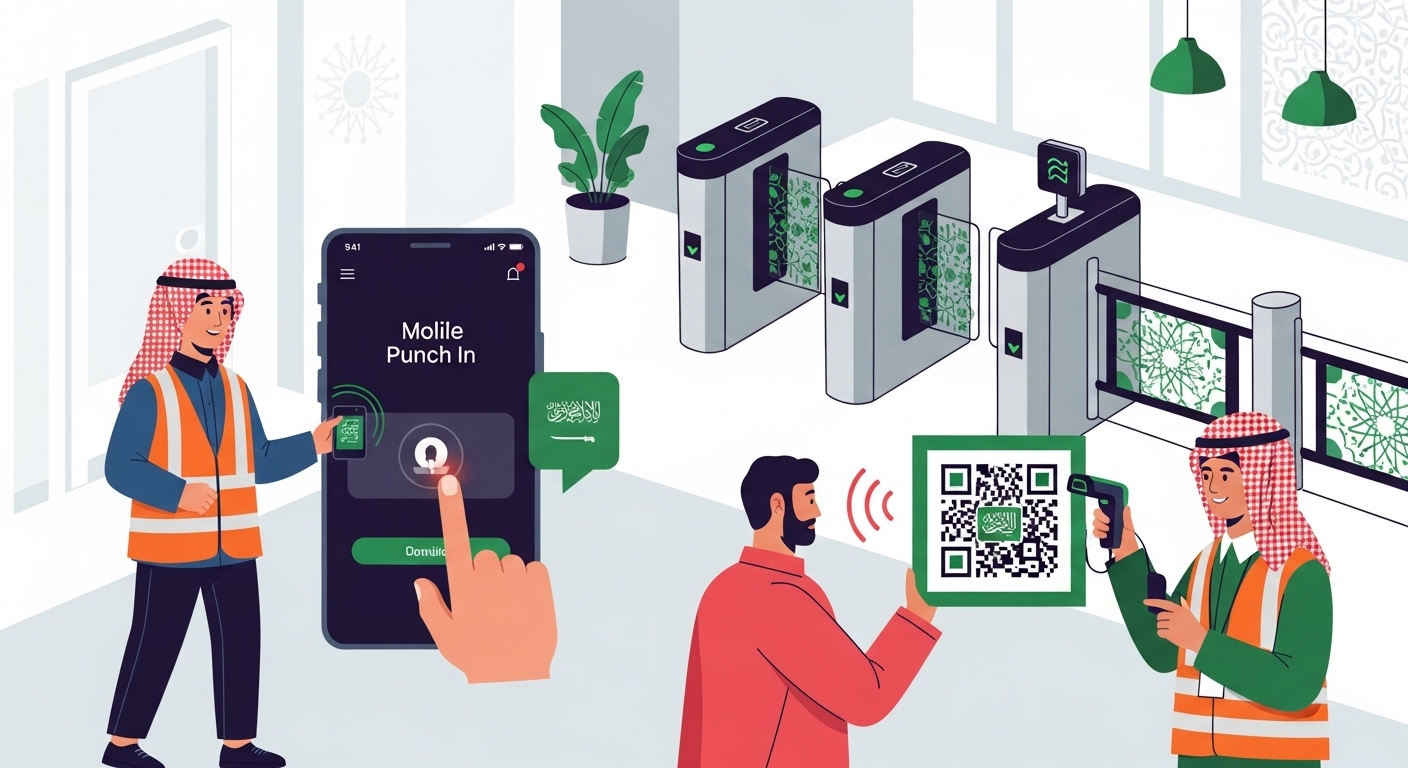
For field service workers and remote teams, mobile apps provide a convenient way to clock in and out. These apps often include “selfie check-ins” and geofencing technology. Geofencing verifies that an employee is physically present at a specific location, such as a job site, before allowing them to mark their attendance.
3. Wearable Technology
Smartwatches and fitness trackers are emerging as powerful tools. These devices can automatically record work hours and monitor activity levels, providing real-time insights into employee productivity. This is particularly useful for field teams that need hands-free operation.
4. Integration with Cloud HRMS
The trend is moving toward a unified ecosystem. Seamless integration with other hrms cloud solutions like payroll, performance management, and time systems improves data accuracy and creates a “single source of truth” for the company.
Table: Core Attendance Technology Comparison in Saudi Arabia
|
Technology |
Key Features |
Primary Benefit |
Common Saudi Use Case |
|
Biometrics |
Face/Fingerprint/Iris |
99% accuracy; fraud-proof |
Factories, corporate offices |
|
Mobile Apps |
GPS tracking; Geofencing |
Remote & field flexibility |
Construction, sales teams |
|
IoT Sensors |
Automated entry gates |
Frictionless experience |
Smart buildings, large malls |
|
Wearables |
Real-time vitals/location |
Hands-free tracking |
Field technicians |
Top Saudi Market Competitors: Choosing the Right Solution
The Saudi market is saturated with providers, but only a few offer the localized support and compliance depth required for Vision 2030 standards.
Competitor Analysis Table
|
Solution |
Key Strengths |
Compliance Depth |
Business Size |
|
Daysum HRMS |
Cloud native; GPS/Payroll sync; Arabic UI |
Qiwa, ZATCA, WPS |
SME to Enterprise |
|
ZenHR |
Shift scheduling; Geo-tracking |
GOSI, KSA Labor Law |
Medium-sized |
|
Camtend |
Facial recognition specialist |
Hoduri integration |
Large Retail |
|
ZKTeco/Elburoj |
Hardware-heavy security |
General biometric |
Industrial/Factories |
|
Wafeq/Palm HR |
Accounting & HR bundle |
Full WPS automation |
Small to Medium |
For companies undergoing an odoo implementation saudi arabia, it is crucial to find an attendance system that can bridge the gap between physical hardware and the ERP software. Daysum stands out by providing a cloud-first approach that prioritizes Saudi-specific payroll and ZATCA compliance.
Improving Accuracy with AI: A Quantitative Look
Machine learning algorithms can analyze vast amounts of data to identify patterns and trends in employee attendance. This enables organizations to:
- Reduce Payroll Discrepancies: By detecting anomalies, AI-powered systems can reduce payroll errors by up to 15%.
- Detect Fraud: Advanced algorithms identify irregularities like duplicate entries or suspicious location logs, preventing time theft.
- Predict Absenteeism: AI can forecast absence patterns with 90% accuracy, allowing managers to adjust workforce planning before a shortage occurs.
- Automate Corrections: Systems can automatically suggest corrections for missed punches based on an employee’s historical behavior and schedule.
ROI in the Saudi Context: Beyond the Dashboard
The Saudi attendance market was valued at $1.2B in 2024 and is projected to grow to $3.5B by 2033. This growth is driven by the clear Return on Investment (ROI) these systems provide:
- Regulatory Alignment: Avoid heavy fines by ensuring perfect compliance with the Wage Protection System (WPS) and Qiwa mandates.
- Productivity Boost: Cutting administrative time by half allows HR teams to focus on talent acquisition rather than auditing timesheets.
- Cost Savings: Reducing 30% of discrepancies in a company with 500+ employees can save millions of SAR annually.
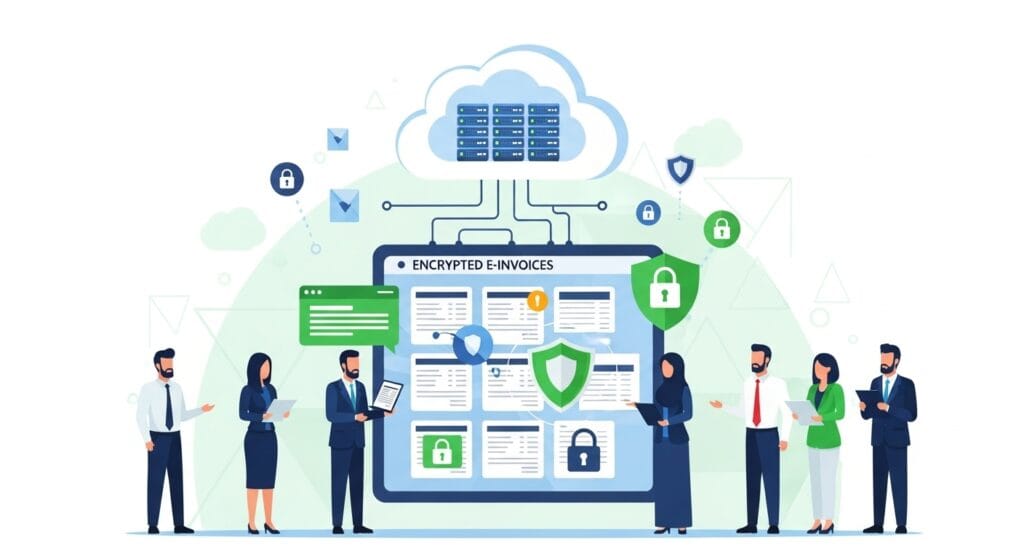
- Security: Protecting sensitive employee data under new Saudi data protection rules is easier with encrypted, cloud-based biometric storage.
Future Attendance Solutions: What to Expect by 2030
As technology continues to advance, we can anticipate even more innovative solutions that will redefine the “Future of Work”:
- Comprehensive HRMS Convergence: Attendance will not be a standalone tool. It will be part of a hyper-integrated system where presence data triggers payroll, performance reviews, and even office utilities (lights/AC) via IoT.
- Blockchain for Transparency: Emerging blockchain audit trails will ensure that attendance records are 100% tamper-proof, providing a higher level of trust for government contracts.
- Wearable Proliferation: Beyond smartwatches, smart ID badges with embedded sensors will track real-time location in high-security zones (e.g., oil and gas refineries).
- Enhanced Cybersecurity: Per Saudi data protection rules, biometrics will move toward decentralized storage to ensure maximum privacy.
Investing in e invoicing zatca and HRMS today prepares your business for the digital-first economy of tomorrow.
Conclusion: The Future is Bright (and Cloud-Based)
The future of attendance management is centered on automation, data-driven insights, and the employee experience. By embracing these modern trends, organizations can optimize their workforce, improve operational efficiency, and achieve greater success.
In Saudi Arabia, the choice is clear: adapt to the digital push of Vision 2030 or get left behind in a mountain of manual paperwork and compliance risks. Modernizing is not just about technology; it’s about building a culture of transparency and accountability.
Want to revolutionize your attendance management?
Daysum HRMS offers a comprehensive suite of attendance management solutions, including:
- Real-time attendance tracking via mobile and biometrics.
- Flexible time-off management with automated approvals.
- Advanced reporting and analytics tailored for the Saudi market.
- Seamless integration with other modules to handle your odoo implementation saudi arabia or ZATCA requirements.
Daysum HRMS delivers Vision 2030-compliant attendance—start your free trial today and experience the future of work.
Frequently Asked Questions (FAQs)
A cloud attendance system provides an accurate, real-time log of work hours that is easily exportable. This ensures that your records match the data required for the Saudi Wage Protection System (WPS) and the Qiwa platform, reducing the risk of penalties during inspections.
Yes. Modern systems, particularly through an odoo implementation saudi arabia, allow hardware devices like ZKTeco to sync directly with cloud software. This ensures that a punch on a physical device in the factory instantly updates the payroll record in your digital dashboard.
Leading AI-driven systems use "liveness detection." This means they can distinguish between a real human face and a photograph or video of a face. They analyze depth, movement, and even heat in some cases, providing 99% accuracy against fraud.
Absolutely. Modern apps only track the location during the specific moment the employee marks their attendance. It does not track them throughout the day. This "point-in-time" location check ensures accountability for field sites while respecting the privacy of the workforce.