In the world of high-value commerce, few sectors are as intricate as the gold and jewelry industry. Unlike typical retail where prices are relatively static and inventory is measured in units, jewelry businesses deal with commodities that change in value by the minute and are measured in fractions of a gram. Managing such a business requires more than just a ledger; it demands a deep understanding of how metal, labor, and market dynamics intersect. For business owners looking to scale, the transition from manual record-keeping to a digital ecosystem is not just an upgrade—it is a survival strategy. The key to this transition lies in understanding the specialized architecture of a modern gold management system.
Why Traditional Accounting Systems Fall Short in the Jewelry Trade
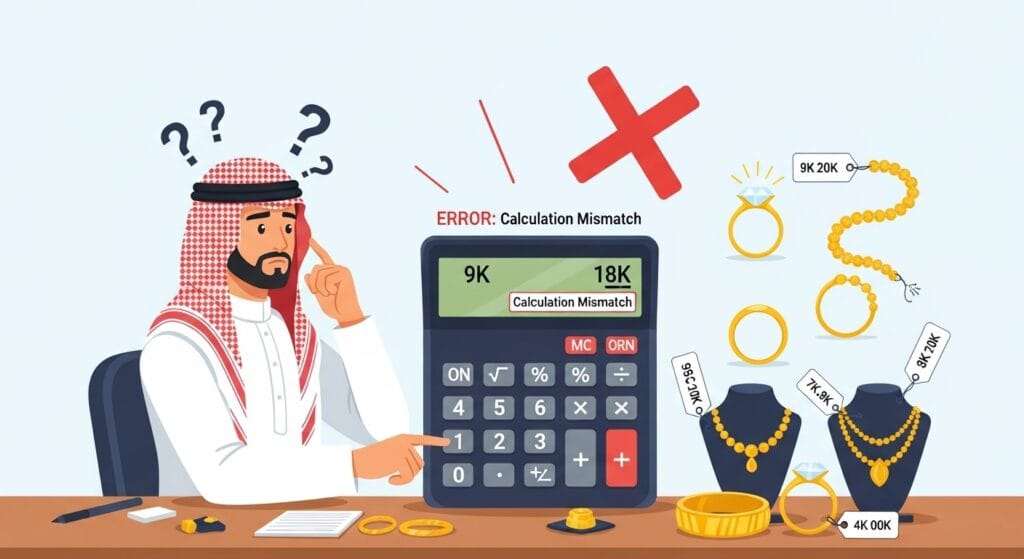
Many jewelry shop owners initially try to use generic accounting software, only to realize that these systems speak a different language. A standard retail program sees a ring as a “unit.” However, in the jewelry world, that ring is a composite of 18k gold (measured in grams), perhaps a few diamonds (measured in carats), and a specific labor cost (making charges). When the global price of gold jumps, a generic system has no way to automatically update the value of that inventory. This gap leads to massive manual recalculations, a high margin of error, and a constant risk of selling below the actual replacement cost of the metal.
Furthermore, generic systems struggle with “gold-for-gold” exchanges, a cornerstone of the industry. If a customer brings in old gold to trade for a new necklace, a standard accounting package treats this as a mess of mismatched entries. This is exactly why the best gold accounting software is built from the ground up to handle multi-dimensional transactions where weight and value are tracked independently but synced perfectly.
Specialized Features that Define a High-Performance Gold Platform
To truly master your operations, the software you choose must go beyond simple bookkeeping. It acts as the brain of the business, connecting the workshop, the showroom, and the back office.
Precision Tracking of Weight, Purity, and Asset Value
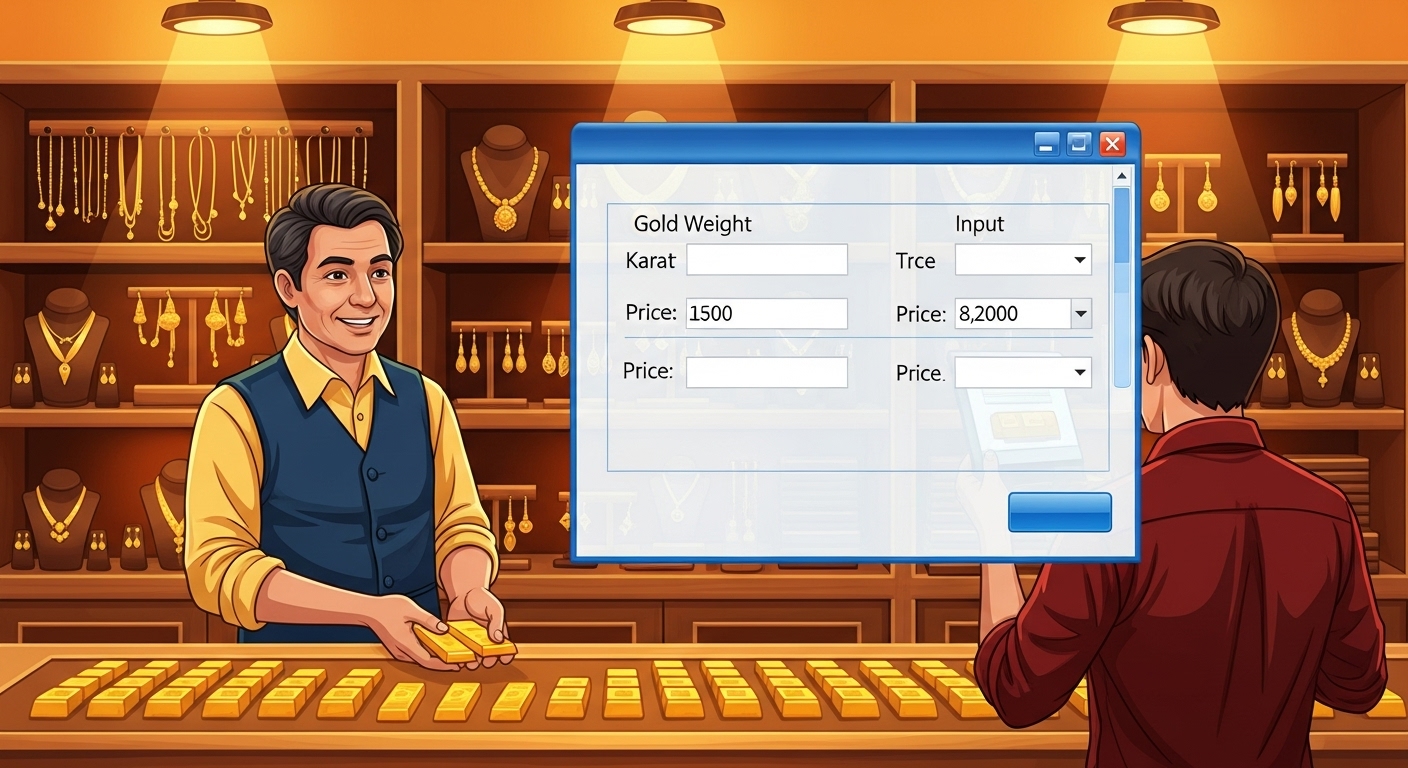
In gold trading, the weight is the truth. If your system cannot track inventory down to the third decimal point, you are losing money. A robust gold software solution treats every item as a unique entity defined by its purity.
- Purity-Based Categorization: The system automatically segregates stock by Karat (24k, 22k, 21k, 18k, etc.), ensuring that the pure gold content is always calculated correctly for your balance sheet.
- Weight vs. Unit Logic: While you might sell “one necklace,” the system tracks the “gross weight,” “net weight” (gold only), and “stone weight.” This allows for accurate auditing during stocktakes.
- Wastage and Loss Management: During manufacturing or repairs, gold is lost in the form of dust or scrap. A specialized system accounts for these variances, ensuring your “metal account” with your workshop is always balanced.
Synchronizing Operations with Real-Time Market Price Fluctuations
The most stressful part of jewelry management is the volatility of the gold market. An efficient system removes this stress by integrating live price feeds. When the London Bullion Market Association (LBMA) or local gold associations update their rates, the software reflects these changes across your entire inventory. This ensures that your sales team is always quoting prices that reflect the current market reality, protecting your margins during sudden spikes or drops. Without this feature, your staff might spend hours manually re-tagging items or, worse, selling an item at yesterday’s lower price.
Sophisticated Sales and Purchase Management with Tax Logic
The sales cycle in a jewelry store involves complex layers. You aren’t just selling metal; you are selling craftsmanship. A dedicated gold accounting erp manages these layers seamlessly:
- Labor (Making Charges): The system can calculate labor based on a fixed price per gram or a percentage of the gold value.
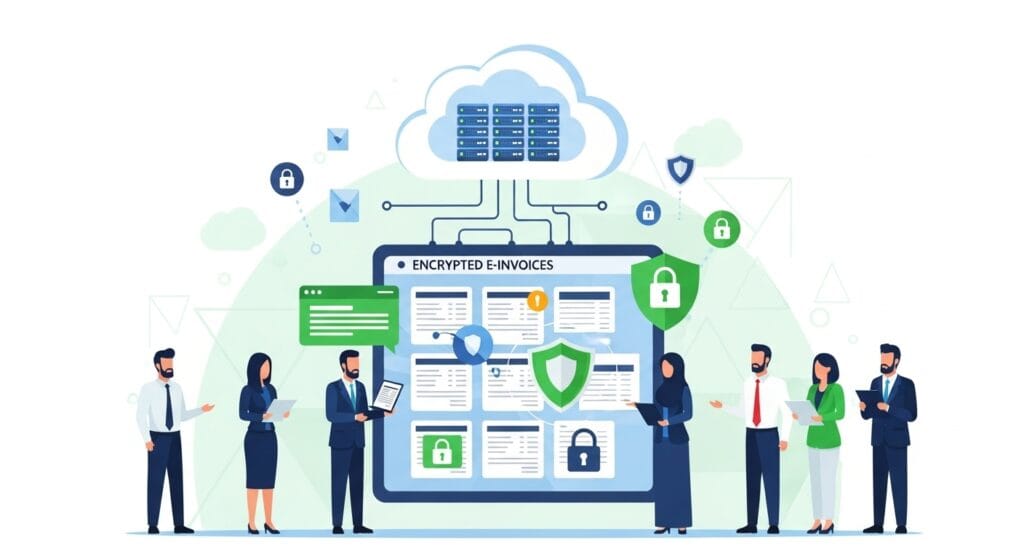
- Taxation Compliance: In regions like Saudi Arabia, complying with ZATCA regulations for E-invoicing is mandatory. The software must automatically apply VAT on the “making charges” or the “total value” as per local law, generating compliant invoices in seconds.
- Discounts and Promotions: Managers can set specific discount rules—for example, a discount on labor costs while keeping the gold price fixed—preventing salespeople from eroding profit margins accidentally.
Utilizing CRM to Transform Transactional Data into Customer Loyalty
Jewelry is often an emotional purchase, marking anniversaries, weddings, or milestones. An integrated CRM (Customer Relationship Management) module is vital for building long-term wealth. Instead of just recording a name and a phone number, the system tracks:
- Purchase Preferences: Does the client prefer white gold over yellow? Do they collect 21k traditional designs?
- Significant Dates: Automated reminders for birthdays or anniversaries allow you to send personalized offers, driving repeat traffic.
- Credit History: For wholesale clients, tracking “gold debt” or “cash debt” is essential for managing risk. By knowing exactly how much a client owes in grams of gold, you are protected against currency fluctuations.
Generating Strategic Financial Reports for Informed Decision-Making
Data is only valuable if it is readable. The top gold accounting software provides a 360-degree view of your financial health through specialized reporting:
- Profit & Loss (P&L): See exactly where you made money—was it the metal gain or the workmanship fees?
- Balance Sheets: Get an instant valuation of your entire safe, adjusted for today’s gold price.
- Cash Flow Analysis: Monitor how much cash is coming in versus how much is tied up in slow-moving inventory.
- Daily Closing Reports: A “Z-Report” tailored for jewelry that summarizes total gold weight sold vs. cash collected, ensuring every gram is accounted for at the end of the shift.
Navigating the Implementation Journey: From Setup to Success
Choosing the right software is only half the battle; the implementation phase determines whether you get a return on your investment. A rushed setup leads to “dirty data” that can take months to clean. A structured approach ensures that the system becomes an asset from day one.
Establishing the Data Foundation for Inventory and Partners
The first step is a comprehensive data migration. This involves weighing every piece of jewelry in the shop and categorizing it correctly. It is also the perfect time to clean up your customer and supplier lists.
- Inventory Entry: Don’t just enter “Necklaces.” Enter them by purity, origin, and design. This detail allows for better analytics later.
- Supplier Accounts: Jewelry businesses often have complex trade relationships. Setting up your “metal accounts” with suppliers correctly ensures that when you send scrap gold to a refinery, the system tracks the weight out and the pure gold value returned.
Tailoring System Configurations to Match Your Business Signature
Every jewelry business has its own “secret sauce”—the specific way it handles pricing or loyalty. Your gold management system should be flexible enough to accommodate these nuances. Whether you are a small retail boutique or a large wholesaler with multiple branches, the system configuration must reflect your workflow. This includes setting user permissions; for instance, a salesperson can create a bill, but only a manager can approve a discount or edit the daily gold rate.
Bridging the Gap Between POS and E-Commerce Ecosystems
Modern jewelry businesses cannot afford to ignore the online market. However, selling gold online is dangerous without synchronized inventory. If you sell a 10-gram bracelet in your physical store, your website should update instantly to show it as “out of stock.” A unified system like Daysum ensures that your Point of Sale (POS) and your e-commerce platform talk to the same database. This prevents double-selling and allows for “click and collect” services that modern customers have come to expect.
The Human Element: Effective Staff Training for Long-Term ROI
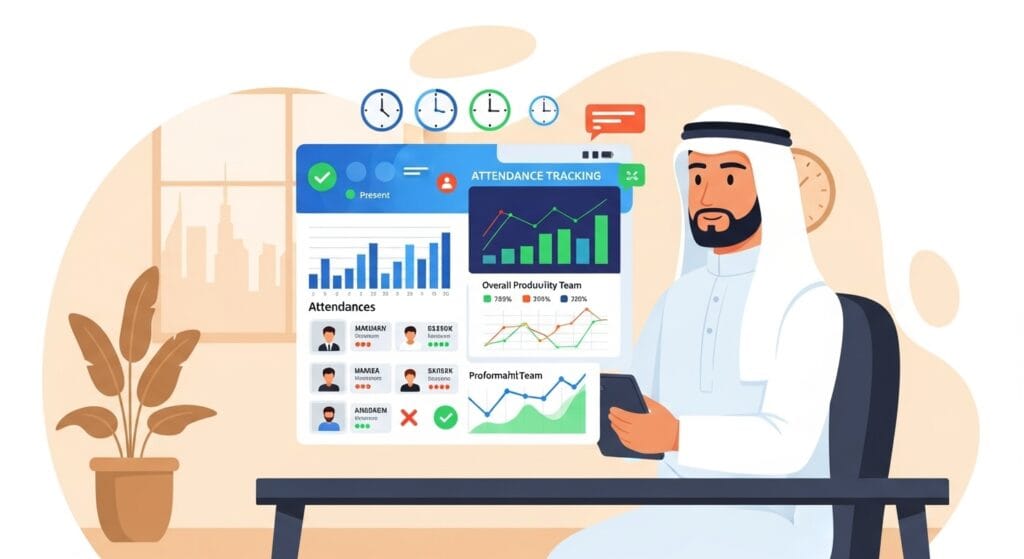
A software is only as good as the person operating it. Many implementations fail because the staff feels overwhelmed or sees the new system as an extra burden. Training should be focused on the “why,” not just the “how.” Show the sales team how the barcode scanner makes their life easier during busy hours. Show the accountant how the automated VAT reports save them hours of manual work. When the team understands that the system is there to help them succeed, adoption becomes natural and enthusiastic.
Comparative Analysis: General Retail Systems vs. Dedicated Gold Solutions
|
Operational Task |
Generic Retail Software |
Daysum Specialized Gold System |
|
Inventory Measurement |
Units (Pieces) |
Weight (Grams/Carats) & Purity |
|
Pricing Model |
Static Price Tags |
Dynamic Pricing (linked to Live Gold Rates) |
|
Trade-Ins |
Not supported (requires “hacks”) |
Native “Old Gold” exchange modules |
|
Manufacturing |
Basic BOM (Bill of Materials) |
Wastage/Loss tracking & Labor (Ojoor) logic |
|
Valuation |
Based on Purchase Cost |
Real-time Market Valuation (Replacement Cost) |
|
Reporting |
Standard Financials |
Metal Ledger & Pure Gold Balance Reports |
By focusing on these specialized needs, Daysum helps jewelry businesses move away from the chaos of spreadsheets and into a streamlined, high-growth environment. Whether you are managing a single boutique or a regional chain, having a system that understands the heartbeat of the gold market is the single most important investment you can make for your future.
Frequently Asked Questions
For a single retail branch, the setup—including data entry and basic training—can take anywhere from 1 to 2 weeks. For larger wholesale operations or chains with multiple branches, a phased implementation over 4 to 6 weeks is more realistic to ensure data integrity and proper staff onboarding across all locations.
Yes, most modern systems allow for bulk imports via CSV or Excel. However, it is vital to "sanitize" your data first. Ensure that all weights are accurate and purity categories are consistent. Moving "dirty data" into a new system will only replicate the old problems in a new environment.
While many solutions are cloud-based for real-time synchronization, many also offer an "offline mode" for the POS. This allows you to continue making sales even if your internet dips. Once the connection is restored, the system automatically syncs the sales and inventory updates to the central database.
Absolutely. While the system can pull global rates (like LBMA), most jewelry businesses apply a "local premium" or use rates from a specific local gold association. You can configure the system to pull the base rate and then automatically add your specific margin or local markup.
The software includes a dedicated "Old Gold" module. When a customer brings in jewelry, you enter the weight and purity. The system calculates the value based on the current "Buy" rate, generates a purchase voucher for the customer, and adds the weight to your "scrap gold" inventory for future refining or exchange with suppliers.