Running a gold store involves far more than displaying shimmering pieces in a glass case. It is a high-stakes environment where every gram of metal and every fluctuation in the market price directly impacts the bottom line. Success in this industry is built on a foundation of operational efficiency—the ability to manage high-value assets, complex financial regulations, and demanding customer expectations without missing a beat. When a business operates like a well-oiled machine, it doesn’t just survive; it thrives by capturing more opportunities and minimizing the risks inherent in precious metal trading.
Fundamental Pillars of Efficiency in Gold Retail and Wholesale
To understand how to improve a jewelry business, one must first look at the core areas that consume the most time and resources. Efficiency isn’t about working harder; it’s about creating a system where information flows naturally between the showroom and the back office.
Mastering Inventory Control to Prevent Dead Capital
Inventory is the most significant investment for any jeweler. However, many stores struggle with a persistent imbalance: they either run out of popular items during peak seasons or find their capital tied up in slow-moving stock that sits in the safe for years. Efficient inventory management requires a granular view of every item, from its weight and karat to its design origin.
- Real-Time Tracking: Knowing exactly what is on the shelf at any given moment prevents the frustration of “stockouts” when a customer is ready to buy.
- Weight Accuracy: In this industry, a fraction of a gram matters. A robust gold inventory system ensures that the physical weight always matches the digital record, reducing the chances of shrinkage or theft.
- Stock Rotation: By identifying which pieces are gathering dust, managers can launch targeted promotions or melt down old stock to create new, trendier designs, keeping the capital fluid.
Refining the Sales and Purchasing Cycle for Maximum Fluidity
The process of buying and selling gold is unique because the “cost of goods” changes every minute. An efficient sales process must account for live gold price updates while maintaining a smooth experience for the buyer. On the purchasing side, building strong, transparent relationships with suppliers is vital. If your procurement process is riddled with paperwork and delays, you miss the chance to buy when prices are favorable. Streamlining these workflows allows staff to focus on closing deals rather than calculating manual margins.
Financial Precision and Legal Compliance in Gold Accounting
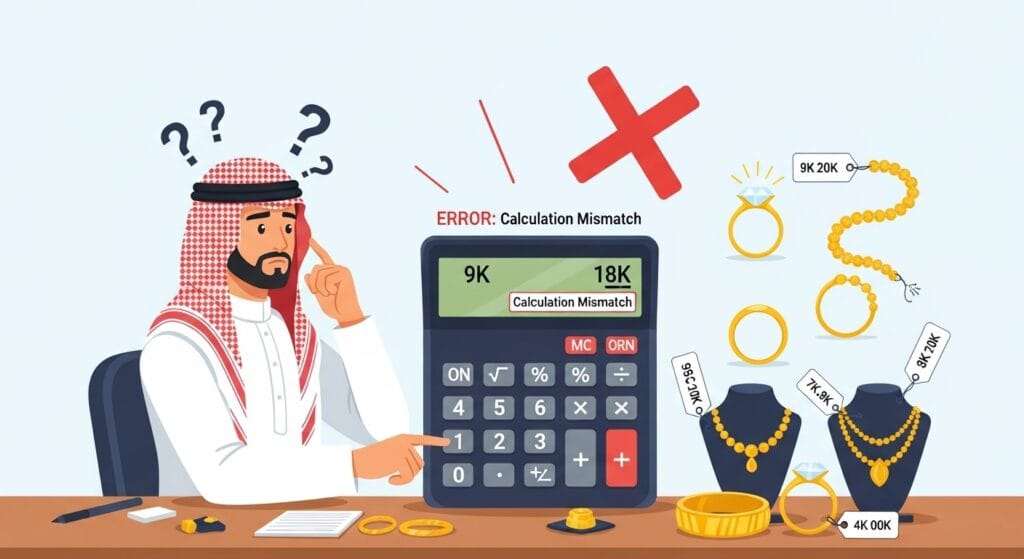
Gold stores operate under a microscope of regulation. Between VAT requirements, Zakat calculations, and anti-money laundering (AML) laws, the room for error is zero. Manual accounting in a gold shop is an invitation for trouble. Efficiency here means having a system that automatically applies the correct tax rates and generates reports that are ready for auditors.
Using the best gold accounting software transforms financial management from a month-end headache into a daily asset. It allows owners to see their true profit margins after factoring in the fluctuating cost of the metal, labor (workmanship), and stones.
Cultivating Loyalty Through Superior Service Standards**
While the product is valuable, the relationship is what brings people back. Efficiency in customer service means having the answers before the customer asks. When a client walks in, does your staff know their previous purchase history? Do they know their preferred karat or ring size? Providing this level of service requires organized data. If your team spends ten minutes searching for a manual ledger to check a warranty, the customer’s trust begins to wane. Speed and accuracy in service are the ultimate hallmarks of a professional gold store.
How Digital Solutions Reshape Jewelry Business Management
In the past, jewelry store owners relied on intuition and thick notebooks. Today, that approach is a liability. The transition to specialized erp gold solutions has leveled the playing field, allowing smaller shops to operate with the same sophistication as international brands.
Automating Routine Operations to Reclaim Managerial Time
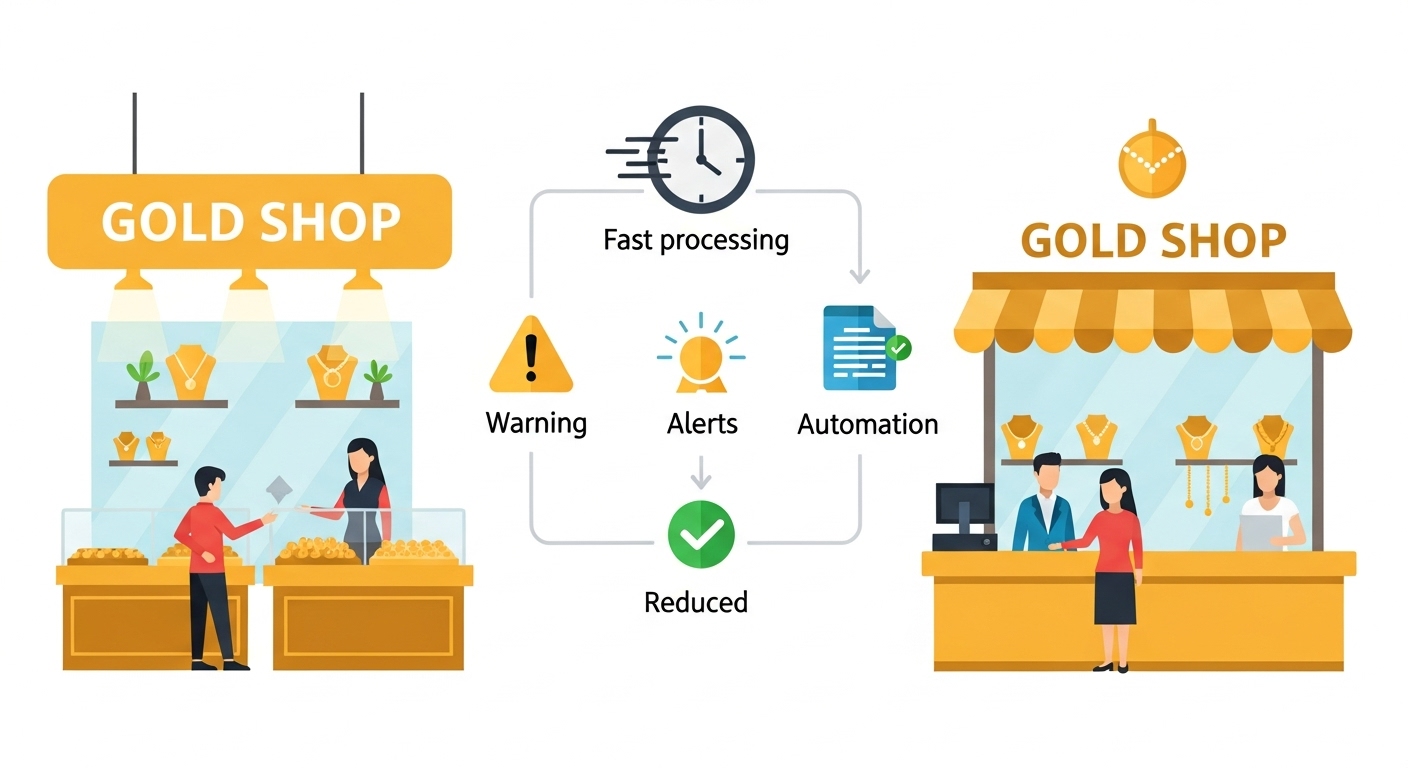
Think about the hours spent every week on repetitive tasks: updating price tags when the gold rate changes, calculating daily sales totals, or generating inventory reports for insurance purposes. Automation removes these burdens. A modern gold software solution can update prices across the entire system with one click, ensuring that no piece is ever sold at an outdated rate. This “reclaimed time” allows owners to focus on marketing, staff training, and long-term expansion plans.
Data Integrity as a Foundation for Growth Decisions
Decisions made on “gut feeling” often lead to costly mistakes. Should you open a second branch? Should you invest more in 21k or 18k jewelry this season? Efficient businesses answer these questions with data. When every transaction and movement is recorded digitally, the integrity of your data becomes your greatest competitive advantage. You can see trends as they happen, allowing you to pivot your strategy before the competition even realizes the market has shifted.
Visualizing Performance Through Advanced Analytics and Reporting
A spreadsheet full of numbers is hard to read, but a visual dashboard tells a story. Advanced reporting tools allow managers to see:
- Sales Performance by Category: Which designs are the most profitable?
- Salesperson Efficiency: Who are your top performers, and who needs more training?
- Expense Tracking: Where is the store’s money going beyond the gold itself?
These insights are crucial for identifying bottlenecks. If the data shows that the “purchasing” phase takes twice as long as it should, you can investigate and fix the specific issue within that workflow.
Elevating the In-Store Experience Through Personalization
Digital transformation isn’t just for the back office; it changes the showroom floor. With the right gold management system, a salesperson can use a tablet to show customers custom designs, check stock in other branches instantly, or send personalized “anniversary” discounts via SMS. This level of personalization makes the customer feel valued, increasing the likelihood of repeat business and word-of-mouth referrals.
Comparing Traditional Methods with Modern Automated Systems
|
Feature |
Traditional / Manual Management |
Daysum Specialized Gold ERP |
|
Price Updates |
Manual calculation for each item; high risk of error. |
Automatic, global updates based on live market rates. |
|
Inventory Audit |
Takes days; requires closing the shop. |
Done in hours with barcode/RFID integration. |
|
Zakat & Tax |
Complex manual calculations at year-end. |
Real-time calculation and compliance reporting. |
|
Customer Data |
Scattered in notebooks or basic spreadsheets. |
Centralized CRM with purchase history and preferences. |
|
Reporting |
Delayed and often inaccurate. |
Instant, visual dashboards with real-time analytics. |
|
Workmanship (Ojoor) |
Often estimated or simplified. |
Precisely tracked per item or per gram. |
The shift from manual or generic accounting to a specialized jewelry platform is a turning point for any business. The following table highlights the stark differences in operational outcomes.
Frequently Asked Questions
By implementing a digital inventory system, every piece of jewelry is assigned a unique identifier (like a barcode or RFID tag). This allows for frequent, rapid stock counts. If an item goes missing, the system identifies exactly what is gone and when it was last scanned, creating a clear audit trail that discourages internal and external theft.
Actually, small shops often benefit the most. In a small business, the owner wears many hats—accountant, salesperson, and manager. By automating routine tasks, the owner saves hours of manual work, allowing them to compete with larger chains through better customer service and more accurate pricing.
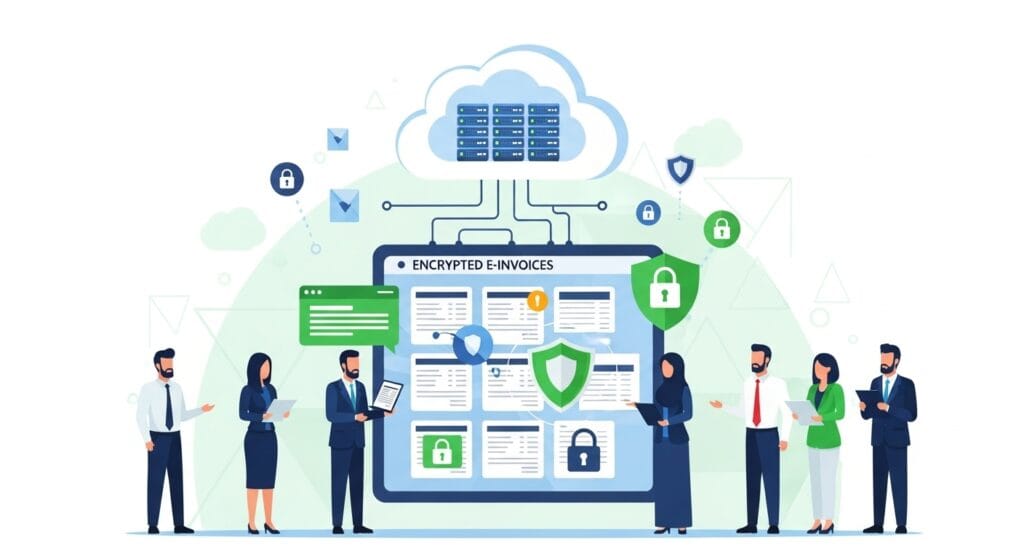
Yes, significantly. Specialized systems are designed to comply with ZATCA (Zakat, Tax and Customs Authority) regulations. They automatically generate E-invoices and keep precise records of all transactions, making the tax filing process seamless and protecting the business from heavy non-compliance penalties.
The biggest mistake is trying to use generic retail software. Gold is a unique commodity where the value is split between the metal, the craftsmanship (Ojoor), and the stones. Generic systems cannot handle the fluctuating gold price or the complexity of "gold-for-gold" exchanges, which leads to massive accounting errors.
Daysum provides a comprehensive platform that handles the specific nuances of the gold trade. From managing the "Ojoor" (workmanship) costs to integrating live gold prices and managing "receivable gold" from suppliers, it ensures that every aspect of the business is synchronized. It eliminates manual entry, reduces errors, and provides the clarity needed to scale the business confidently.