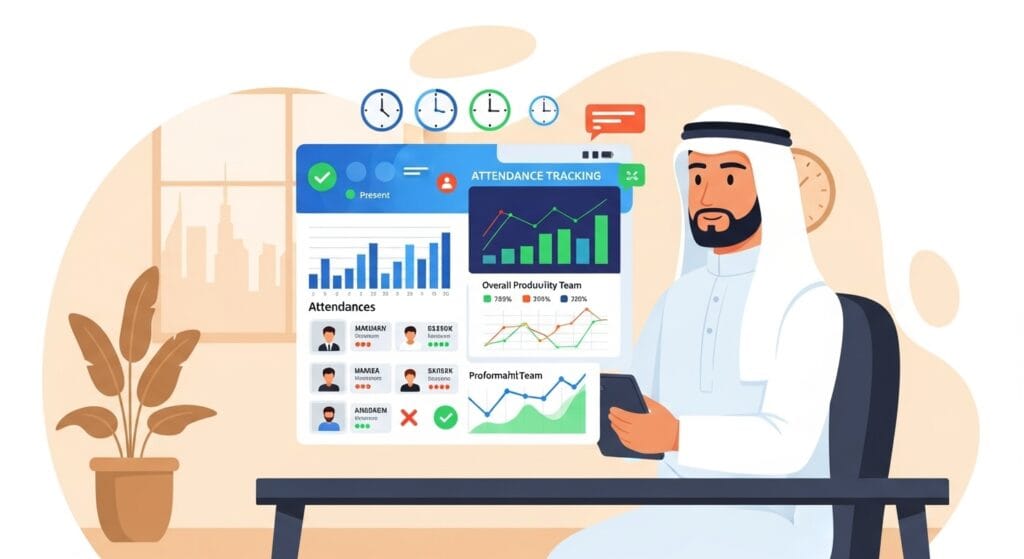
In today’s fast-paced business environment, effective attendance management has become essential for organizations seeking to optimize their operations. As workplaces increasingly shift toward digital solutions, cloud-based attendance systems are emerging as a transformative force in how companies manage employee attendance. The next generation of these systems not only enhances the efficiency and accuracy of attendance practices but also introduces cutting-edge technologies that streamline operations and improve employee engagement.
In the Kingdom of Saudi Arabia, this shift is accelerating under the umbrella of Vision 2030. The Saudi cloud attendance system market is currently experiencing a robust 12.6% annual growth rate. This surge is driven by a nationwide push for digital transparency and the mandatory integration of platforms like Qiwa and the Wage Protection System (WPS). Organizations that embrace these innovations are finding that next-gen systems provide a strategic advantage that goes far beyond simple clock-ins.
Embrace digital transformation today with seamless e invoicing for your operations.
1. Understanding Next-Generation Attendance Systems
Definition of Next-Generation Attendance Systems
Next-generation attendance systems leverage advanced cloud computing technologies to provide businesses with innovative solutions for tracking employee attendance. Unlike traditional systems that often rely on physical punch clocks or paper-based records, these modern solutions are designed to function seamlessly in various work environments, whether onsite, remote, or hybrid. They are built on a “Cloud First” philosophy, ensuring that data is accessible, secure, and integrated with broader enterprise ecosystems.
Comparison to Traditional Attendance Management Systems
Traditional attendance management systems can be cumbersome and error-prone. Legacy hardware, such as ZKTeco punch clocks or offline biometric devices, often requires extensive on-site maintenance and lacks real-time remote access. This disconnection creates significant data silos, where HR managers must manually sync data at the end of every month—a process that is not only time-consuming but highly susceptible to “buddy punching” and clerical errors.
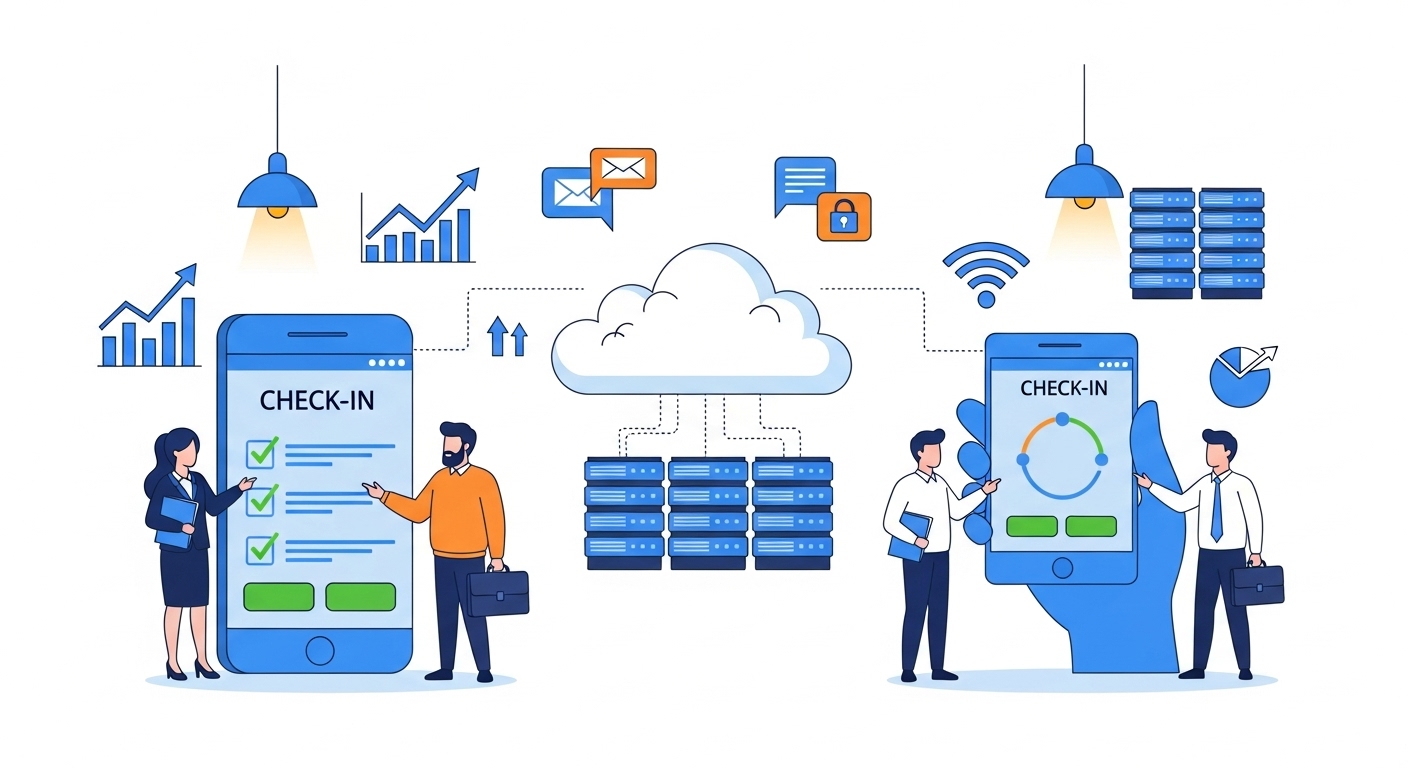
In contrast, a modern cloud attendance system offers automated features that provide real-time updates. For example, employees can clock in and out via mobile apps with GPS verification or cloud-connected facial recognition terminals. In Saudi Arabia, where the “Cloud First” policy is reshaping IT infrastructure, transitioning to a subscription-based model can cut upfront costs by up to 70% compared to CapEx-heavy legacy deployments.
Table: Traditional vs. Next-Generation Attendance Systems
|
Feature |
Traditional Systems (Legacy) |
Next-Generation (Cloud) |
|
Infrastructure |
On-site servers & physical wiring |
Cloud-hosted; zero local footprint |
|
Financial Model |
Heavy CapEx (Upfront purchase) |
OpEx (Subscription-based) |
|
Accessibility |
Restricted to office premises |
Anywhere via mobile/web apps |
|
Data Updates |
Manual sync or batch processing |
Real-time synchronization |
|
Maintenance |
Local IT team required |
Automated updates by provider |
|
Compliance |
Hard to integrate with Qiwa/WPS |
Native integration with Saudi labor laws |
2. Key Features of Cloud-Based Attendance Systems
The true impact of next-gen systems lies in their feature sets, which are specifically designed to handle the complexities of a modern, distributed workforce.
Flexibility and Accessibility
With the rise of remote and hybrid work models, flexibility is paramount. Employees can clock in from any location with internet access, supported by geofencing technology that ensures they are at the correct job site. This is a game-changer for industries like construction or logistics in Saudi Arabia, where staff are often spread across vast geographic distances. Managers can access these records in real-time, allowing them to approve time-off requests or adjust schedules on the fly.
Real-Time Data Collection and Analysis
Next-generation systems provide instant insights. HR managers can generate reports on absenteeism, tardiness, and overall workforce productivity at the touch of a button. In the healthcare sector, for example, cloud adoption has led to a 15% gain in overall productivity simply by identifying and resolving scheduling bottlenecks in real-time. This level of granular data allows for a proactive rather than reactive management style.
Integration Capabilities
A unified platform is the cornerstone of effective management. These systems seamlessly integrate with existing hrms cloud solutions and payroll engines. This integration ensures that attendance records are accurately reflected in monthly pay cycles, automating complex calculations for overtime, leave balances, and late-in penalties. For businesses in the precious metals sector, using the best gold accounting software alongside a cloud attendance tool ensures that labor costs are perfectly mapped against inventory and sales performance.
3. Quantifiable Business Impact of Cloud Solutions
The transition to cloud-based systems is not merely a technical upgrade; it is a fundamental shift in operational efficiency.
Enhanced Accuracy
Accuracy in attendance records is the bedrock of payroll integrity. Mismanaged records lead to discrepancies that damage employee morale and create compliance risks. Cloud systems enhance accuracy through biometric verification and real-time updates, reducing payroll errors from a typical 8% to as low as 0.1% in the first month of implementation.
Increased Efficiency and Cost-Effectiveness
Automation frees HR professionals from the “administrative trap.” By automating tasks such as time calculation and leave management, companies can save approximately 40 administrative hours per week for every 100 employees. Furthermore, the scalability of cloud solutions means that as your business grows—perhaps by expanding your gold management system into new branches—your attendance infrastructure scales with you without the need for additional hardware investment.
ROI in the Saudi Market Context
For Saudi enterprises, the return on investment (ROI) is tied directly to the speed of business. With the mandatory integration of ZATCA and Qiwa, having a system that natively supports these platforms is essential. Real-time dashboards allow C-suite executives to monitor labor costs against revenue targets, ensuring that the organization stays lean and competitive as it moves toward the 2030 targets.
4. The Competitor Landscape in Saudi Arabia
The Saudi market is unique, and choosing the right platform requires an understanding of localized features like Arabic UI support, GOSI synchronization, and Saudi Labor Law compliance.
|
Platform |
Estimated Monthly Cost (SAR/employee) |
Standout Cloud Feature |
|
Daysum HRMS |
20 – 50 |
Full Qiwa integration + advanced geofencing |
|
ZenHR |
25 – 60 |
AI-driven automated shift scheduling |
|
Truein |
15 – 40 |
Specialized cloud-based facial recognition |
|
Ojoor |
Custom |
Integration with 200+ biometric devices |
|
DotsHR |
Subscription |
Real-time multi-location monitoring |
While many global players offer attendance tools, Daysum stands out by providing a suite that handles everything from attendance to specialized retail needs. If you are a jewelry retailer, for instance, integrating your attendance with a dedicated gold management system ensures that your high-value inventory is handled by staff whose presence is verified by the latest cloud biometrics.
5. Challenges in Transitioning to Cloud-Based Systems
While the benefits are clear, the path to implementation can have hurdles. Understanding these challenges is the first step toward a successful migration.
Data Security and Residency
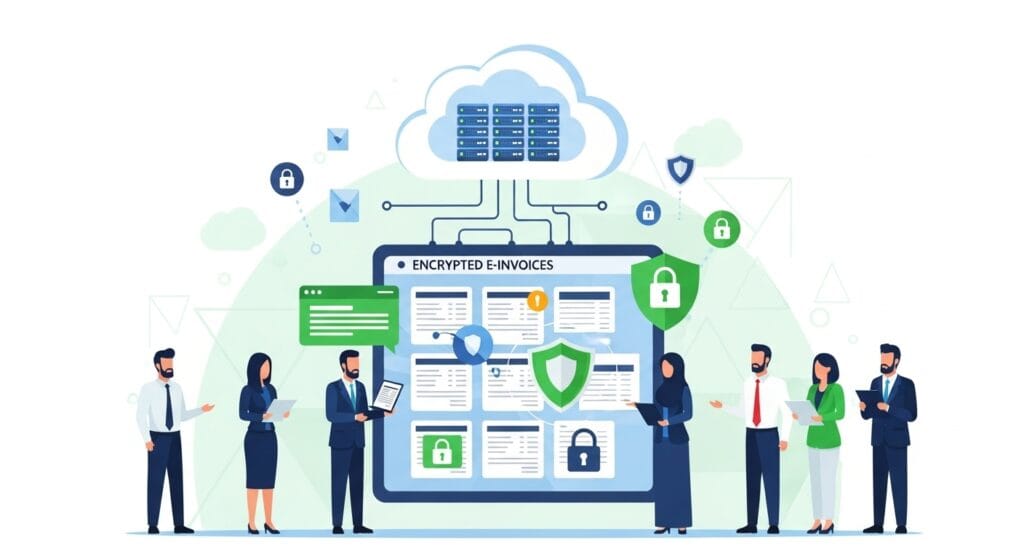
In Saudi Arabia, data security is not just a preference; it is a matter of national policy. Organizations may worry about unauthorized access or where their data is stored. It is crucial to select providers that comply with the National Cybersecurity Authority (NCA) standards. Reputable platforms often utilize stc Cloud or Azure KSA to ensure data residency within the Kingdom, providing encryption and multi-factor authentication to protect sensitive employee files.
Resistance to Change
Cultural resistance can stall even the best technical deployments. Employees who have used punch cards for twenty years may be skeptical of mobile apps or facial recognition. To overcome this, organizations should prioritize change management strategies. This includes clear communication about how the system benefits the employee—such as faster leave approvals and more accurate overtime pay—and providing comprehensive, accessible training in both English and Arabic.
Integration with Legacy Infrastructure
Transitioning doesn’t always mean “ripping and replacing.” Many Saudi firms use hybrid models where they keep their existing biometric hardware but link it to the cloud via Open APIs. This allows for a 24/7 data flow without the immediate need to replace every device in the warehouse or factory.
6. Sector-Specific Impacts: Healthcare and Retail
The impact of next-generation cloud systems varies by sector, but the results are consistently positive.
Healthcare: Precision and Patient Care
In the healthcare sector, where staffing ratios are critical for patient safety, cloud attendance systems have shown a 30% reduction in staffing errors. By ensuring that the right specialists are present at the right time, hospitals can optimize their care delivery while maintaining strict compliance with MOH regulations.
Retail and Gold Industries: Asset Protection
For retailers, especially those in high-value sectors like jewelry, attendance is tied to security. A next-gen system doesn’t just track time; it verifies identity at every touchpoint. By syncing these records with the best gold accounting software, business owners can correlate staff attendance with inventory movements, providing an extra layer of asset protection.
7. The Future: AI, Machine Learning, and Blockchain
As we look toward 2030, the technology will continue to evolve. The future of attendance management is not just about recording the past, but predicting the future.
- AI and Predictive Analytics: Advanced systems will soon incorporate machine learning to predict attendance behaviors with 90% accuracy. This helps managers anticipate scheduling needs weeks in advance and identify potential “burnout” trends before they lead to absenteeism.
- The Impact of IoT: Internet of Things (IoT) sensors will allow for field worker tracking without any manual interaction. Smart ID badges or wearables will automatically log presence as workers enter specific geofenced zones.
- Blockchain Audits: To meet the highest standards of transparency, blockchain technology will be used to create tamper-proof audits of attendance data. This is particularly valuable for government contracts and high-security industries where the accuracy of “man-hours” is legally binding.
- Mobile-First Dominance: By the end of the decade, mobile-first interfaces with push notifications will dominate the workforce, especially for the hybrid and remote teams that are becoming the norm in the Saudi private sector.
Conclusion
The next generation of cloud systems is set to revolutionize attendance management, providing organizations with the tools needed to improve efficiency, accuracy, and employee satisfaction. By embracing these systems, companies can stay competitive in a rapidly changing business landscape.
Investing in modern hrms cloud solutions ensures organizations are well-equipped to handle evolving workforce dynamics while enhancing operational efficiency. For Saudi businesses, this transformation is a key step toward achieving the digital goals of Vision 2030. If you’re looking to upgrade your attendance management with cutting-edge cloud solutions that are ready for Qiwa and ZATCA integration, Daysum is here to help.
Contact us today for a free demo and experience the future of attendance management!
Frequently Asked Questions (FAQs)
Next-gen cloud systems like Daysum are built with local regulations in mind. They natively support the integration with Qiwa for contract management and provide the precise reports required for the Wage Protection System (WPS), ensuring that your "man-hours" data is always audit-ready.
Yes. Modern cloud providers offer data migration services. By utilizing open APIs, they can often sync with your old hardware during a transitional period, ensuring that your historical attendance records are preserved while you move to a more efficient hrms cloud solutions platform.
Geofencing uses GPS technology to create a virtual perimeter around a specific location (like a construction site or an office). It ensures that employees can only clock in when they are physically at the work site. This is critical for managing the vast and remote work sites common in Saudi industrial and construction sectors.
Absolutely. While mobile apps are a popular feature, next-gen systems also support cloud-connected biometric terminals (facial recognition or fingerprints). Employees can use these terminals at the office entrance, and the data is instantly synced to the cloud, providing the same real-time benefits as the mobile app.