The gold industry has long served as a fundamental cornerstone of global commerce, universally prized for both its enduring aesthetic appeal and its unshakeable intrinsic value. For centuries, the processes surrounding the discovery, extraction, and retail of this precious metal relied heavily on human intuition, physical labor, and historical precedents. However, as the modern market evolves at an unprecedented pace, businesses must adapt their operational strategies to stay competitive. One of the most profoundly transformative influences in the commercial world today is artificial intelligence (AI). By strategically harnessing advanced AI technologies, organizations operating across the entire gold sector—from deep-pit mining to luxury retail showrooms—can dramatically enhance their decision-making processes, optimize their daily operations, and ultimately drive unprecedented profitability.
This comprehensive guide explores exactly how artificial intelligence is improving business decisions within the gold industry, highlighting the significant, measurable benefits that come with its successful implementation in the Saudi Arabian market.
Master your stock and sales with the smartest gold inventory management platform in Saudi Arabia.
AI Fundamentals in the Modern Gold Sector
Artificial intelligence encompasses a broad, sophisticated range of technologies that empower machine networks to mimic complex human cognitive functions, such as continuous learning, dynamic problem-solving, and strategic decision-making. Within the context of the gold industry, AI is far more than a buzzword; it is a vital operational tool utilized in diverse applications ranging from upstream geological exploration to downstream customer engagement.
In the upstream mining sector, AI fundamentally alters how resources are located. Advanced algorithms process massive, complex datasets of geological, topographical, and seismological information to identify the most probable locations for lucrative gold deposits. Furthermore, AI engines predict heavy machinery maintenance requirements before catastrophic failures occur, and they relentlessly optimize global supply chains to ensure raw materials move efficiently. A prime example within the Kingdom of Saudi Arabia is the operations of Ma’aden. At their massive Mansourah-Massarah mine, the integration of AI-driven technologies is a driving force behind their ambitious target of producing 250,000 ounces of gold per year, showcasing the massive scale at which machine learning operates.
Downstream, in the commercial retail environment, AI is completely revolutionizing the consumer experience. Modern jewelry retailers are aggressively integrating Augmented Reality (AR) virtual try-on software into their digital storefronts. This technology allows a shopper to use their smartphone camera to visualize exactly how a specific gold necklace or ring will look on them in real-time. This immersive, AI-powered experience drastically reduces product return rates and empowers platforms to offer hyper-personalized product recommendations, significantly boosting overall conversion rates. To seamlessly manage these front-end innovations, retailers must back them with robust gold retail software capable of handling dynamic, AI-driven inventory shifts.
The Unfair Advantage of Data-Driven Decisions
In the contemporary commercial landscape, data-driven decision-making is no longer an optional luxury; it is an absolute necessity for any enterprise looking to thrive and survive in a fiercely competitive environment. Traditional decision-making methodologies were often heavily based on gut intuition, limited historical perspectives, and individual executive experience. While valuable, these human-centric methods frequently lead to operational inefficiencies, costly miscalculations, and missed market opportunities.
With the advent of artificial intelligence, businesses can now rapidly process and analyze vast, intricate datasets encompassing global pricing fluctuations, shifting market trends, and granular consumer behavioral patterns at speeds completely impossible for human analysts. Enhancing commercial decisions with AI involves deploying sophisticated algorithms designed specifically to discern hidden patterns in data.
The impact metrics of this shift are staggering. In the mining sector, traditional, human-led geological discovery methods typically yield a success rate hovering around 55%—meaning nearly half of all exploration investments result in dry, unprofitable boreholes. Conversely, AI-backed predictive models boast an astonishing 80% discovery success rate, saving corporations millions of dollars in wasted drilling expenditures.
Similarly, in the retail space, forecasting consumer demand requires precision. Utilizing an advanced gold erp system, jewelers can accurately predict seasonal demand surges—such as the massive spikes seen during regional wedding seasons or major holidays like Eid al-Fitr. This ensures that the exact designs consumers want are readily available, eliminating the costly burden of overstocking unpopular items.
Key AI Applications (Mining vs. Jewelry Sales)
The versatility of artificial intelligence allows it to be perfectly tailored to the vastly different needs of the upstream and downstream segments of the gold supply chain. Below is a detailed comparative breakdown illustrating how specific AI technologies deliver targeted benefits across the industry lifecycle.
|
Technological Application |
Benefits for Gold Mining (Upstream) |
Benefits for Jewelry Sales (Downstream) |
|
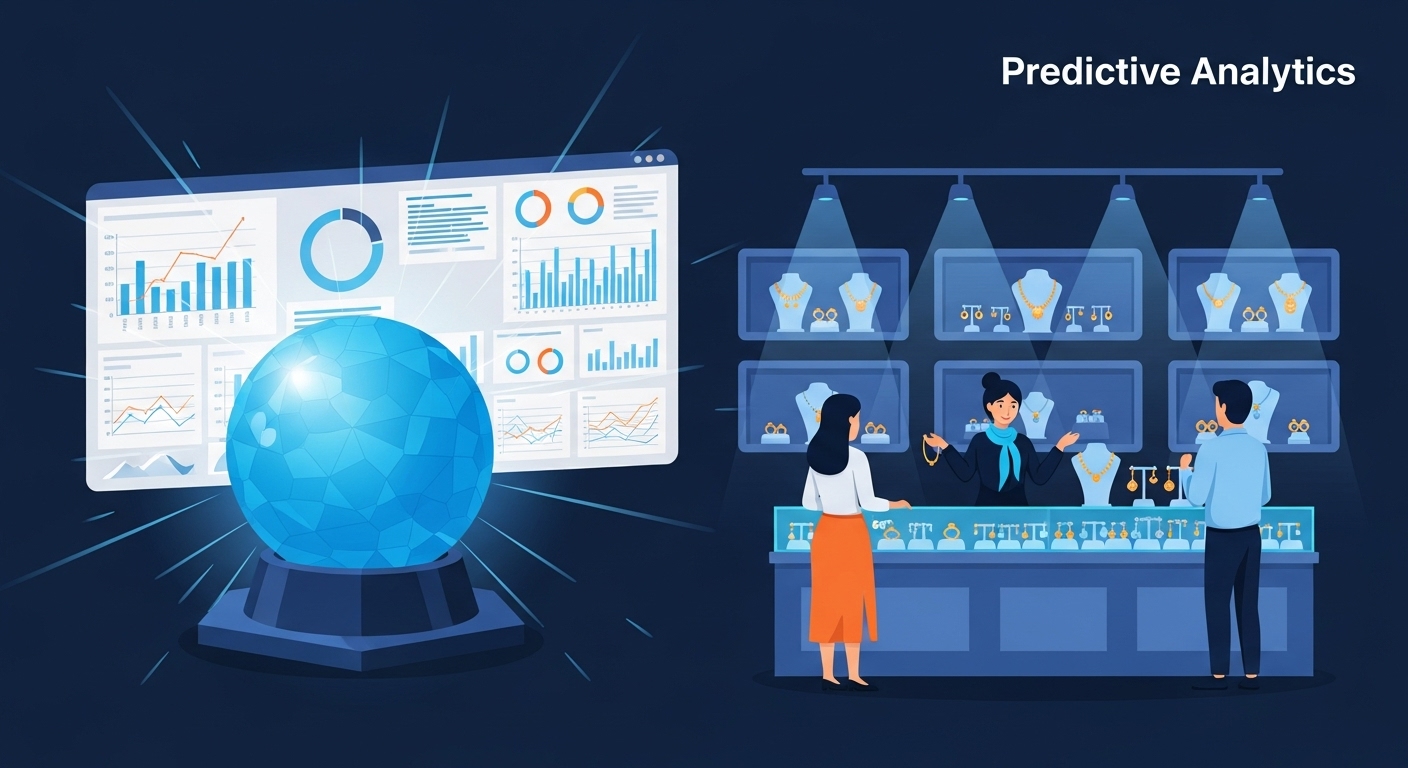
Predictive Analytics |
Enhances resource detection accuracy by +25% and optimizes chemical recovery processes to achieve 85-90% extraction efficiency. |
Powers highly accurate gold inventory system optimization, ensuring optimal stock levels based on predictive seasonal trends. |
|
Machine Learning (ML) |
Facilitates predictive equipment maintenance, drastically reducing downtime, and enhances overall operational risk management. |
Drives personalized marketing campaigns, analyzing past purchases to increase customer retention and boost total conversion rates. |
|
Augmented Reality (AR) & Virtual Try-On |
Not directly applicable to raw mineral extraction. |
Provides immersive visual previews, allowing customers to “wear” digital jewelry, significantly increasing upselling opportunities. |
|
Intelligent Chatbots |
Not directly applicable to raw mineral extraction. |
Delivers responsive, 24/7 customer service, assisting buyers with custom orders and offering tailored styling advice instantly. |
As demonstrated, the implementation of these technologies completely redefines operational capabilities. For retailers aiming to seamlessly orchestrate these advanced customer-facing tools, deploying a comprehensive gold management system is critical to ensure back-end inventory matches front-end demand.
Saudi Competitors in Gold Tech (The Competitive Landscape)
The rapid modernization of the Saudi Arabian economy, driven by Vision 2030, has created a highly competitive market for enterprise software specifically tailored to the precious metals sector. Choosing the correct technological infrastructure is paramount. Here is an analytical comparison of the leading platforms available to Saudi businesses today:
|
ERP Platform |
Core Artificial Intelligence Features |
Key Market Strengths & Capabilities |
|
Daysum Gold ERP |
Features live global pricing synchronization, advanced AI inventory tracking, and automated intelligent reordering protocols. |
Perfectly tailored for the Saudi market, offering bilingual support and absolute, uncompromising compliance with regional mandates. |
|
SowaanERP |
Utilizes predictive stock algorithms and provides comprehensive sales analytics dashboards for multi-branch monitoring. |
Strong capabilities in managing complex, multi-branch gold operations and cross-store inventory transfers. |
|
Zoho Inventory |
Incorporates basic demand forecasting models and standard operational automation for routine retail tasks. |
Highly affordable entry point, making it an accessible option specifically for smaller, budget-conscious SME retailers. |
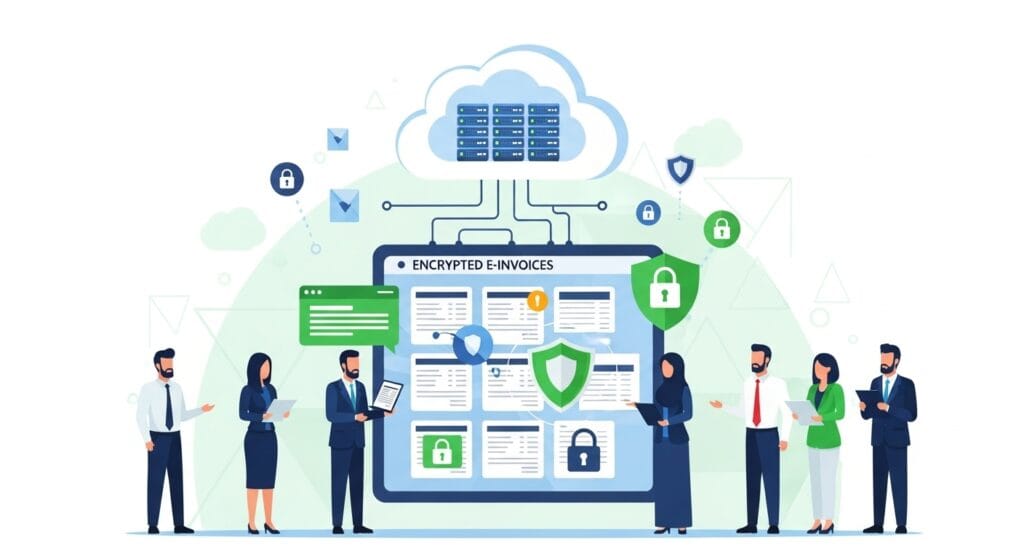
Start your zatca e-invoicing journey with a system built to meet Saudi compliance.
When evaluating these options, enterprises must prioritize platforms that natively understand the unique regulatory environment of the Kingdom. Selecting the best gold accounting software means choosing a partner like Daysum that seamlessly handles complex calculations like karat conversions and labor (making) charges, while simultaneously guaranteeing compliance with complex tax mandates such as the zatca e invoicing phase 2 regulations.
Broad Operational Impacts of Artificial Intelligence
The impact of artificial intelligence on business operations within the gold industry extends far beyond simple decision-making enhancement; it fundamentally, structurally alters how companies operate and adapt to volatile macroeconomic conditions.
- Radical Efficiency and Cost Automation
By aggressively automating routine, labor-intensive tasks and streamlining sprawling operations, AI helps gold businesses achieve unprecedented levels of efficiency. In the mining sector, AI systems independently manage complex global supply chains, track fleets of autonomous hauling vehicles, and automate labyrinthine financial reporting. These profound efficiencies directly translate into massive cost savings. For example, supported by the immense financial backing of the Public Investment Fund (PIF), Saudi firms like Ma’aden are utilizing AI to scale their operations aggressively while simultaneously driving down the cost-per-ounce of extracted gold. For retail businesses, integrating a jewellery erp software saudi arabia automates the tedious processes of barcoding, auditing, and ledger reconciliation.
- Enhanced Risk Management and Volatility Forecasting
The gold market is notoriously volatile, reacting violently to shifts in global interest rates, inflation metrics, and sudden geopolitical events. AI technologies can analyze these incredibly complex risk factors in real-time. By employing advanced neural networks that constantly monitor global economic indicators and commodity pricing charts, businesses can accurately anticipate market shifts. This foresight allows executives to hedge their portfolios, adjust retail pricing strategies dynamically, and meticulously minimize their financial exposure during periods of global instability.
- Environmental Sustainability and Precise Extraction
Modern consumers and regulatory bodies demand environmentally responsible business practices. AI is playing a critical role in minimizing the ecological footprint of gold mining. By utilizing hyper-precise, AI-guided drilling and extraction models, mining companies dramatically reduce the amount of displaced earth and minimize the use of harsh chemical solvents (like cyanide) required for mineral separation. This targeted extraction preserves surrounding ecosystems while maximizing the yield from the ore.
Real-World Case Studies of AI Success
To truly understand the transformative power of these technologies, we must examine real-world applications where AI has generated spectacular, measurable returns on investment.
- Ma’aden’s Mining Triumph: The Saudi Arabian Mining Company (Ma’aden) stands as a towering testament to AI integration. By deploying sophisticated machine learning models at their Ad Duwayhi and Bulghah mine sites, they have successfully optimized their entire mineral processing workflow. The AI systems continuously monitor the chemical composition of the ore being processed, automatically adjusting the water and chemical mixtures in real-time to ensure maximum gold recovery. This has resulted in significantly boosted output yields and firmly positioned Ma’aden as a globally competitive technological leader in the mining sector.
- Global Retail Sales Lift: In the downstream consumer market, major global jewelry brands have aggressively adopted AR try-on technologies. According to comprehensive 2025 retail industry reports, brands that have implemented these immersive, AI-driven visual previews have experienced a massive lift in digital sales, ranging between 20% and 30%. By allowing customers to confidently visualize high-ticket items from the comfort of their homes, retailers have successfully bridged the gap between the tactile in-store experience and the convenience of e-commerce.
- IntelliSense.io Supply Chain Optimization: The integration of platforms like IntelliSense.io across global mining supply chains has revolutionized how raw materials are tracked. Their AI applications create a “digital twin” of the entire mining operation, allowing executives to run risk-free simulations to identify bottlenecks. This has led to highly optimized gold recovery rates across incredibly complex, multi-continental supply chains, proving that AI’s value extends from the bedrock to the final delivery of the bullion.
Implementation Challenges & Strategic Solutions
While the profound benefits of AI in the gold industry are mathematically clear, businesses frequently face substantial challenges when attempting to integrate these cutting-edge technologies into legacy operations. Acknowledging and proactively mitigating these obstacles is crucial for a successful digital transformation.
- Challenge: Data Quality and Availability
For any AI system to function effectively and provide accurate predictions, it requires a diet of high-quality, comprehensive, and cleanly formatted data. In many older businesses, historical sales and operational data are siloed, inconsistent, or locked in physical ledgers.- The Strategic Solution: Before investing heavily in AI algorithms, companies must first prioritize data hygiene. This involves migrating all fragmented data into a unified, secure database utilizing top gold accounting software. Cleaning and standardizing this historical dataset ensures the AI has a solid, truthful foundation from which to learn.
- Challenge: Employee Training and Cultural Buy-In
Successful AI integration almost always necessitates a fundamental cultural shift within the organization. Employees—from mine foremen to retail floor staff—may fear that AI will render their roles obsolete, leading to stubborn resistance.- The Strategic Solution: Change management must be handled with empathy and transparency. Executives should initiate the transformation with small, highly visible pilot projects that demonstrate how AI makes the employees’ daily jobs easier, rather than replacing them. Comprehensive, ongoing training programs are essential to ensure staff feel empowered to utilize these new tools effectively.
- Challenge: The Initial Costs of Implementation
The upfront capital required to overhaul legacy IT infrastructure and deploy enterprise-grade AI technologies can be daunting, particularly for medium-sized enterprises.- The Strategic Solution: Businesses must shift their perspective from short-term expenses to long-term Return on Investment (ROI). By starting small and scaling incrementally, companies can manage cash flow effectively. When an AI system delivers a 25% efficiency gain in inventory turnaround or significantly reduces manual accounting hours, the technology rapidly pays for itself, driving massive long-term profitability.
Conclusion: Securing Your Future in the Gold Market
As the global gold industry continues to evolve at breakneck speed, the aggressive integration of artificial intelligence technologies presents an unprecedented, unmissable opportunity for businesses to radically improve both their strategic decision-making and their daily operational efficiency. From vastly enhanced, hyper-personalized marketing efforts and predictive inventory management to streamlined extraction processes and dynamic risk assessment, AI offers a multitude of significant advantages that will confidently lead businesses toward greater profitability and long-term commercial sustainability.
The journey to harnessing the full power of artificial intelligence doesn’t have to be a daunting, overwhelming undertaking. By actively partnering with technological leaders and leveraging comprehensive, localized tools like Daysum’s gold accounting erp software, forward-thinking businesses can effortlessly tap into the profound power of AI to refine their operations, eradicate inefficiencies, and make consistently smarter, data-backed decisions.
Do not allow your enterprise to fall behind the technological curve. Invest in the resilient, scalable future of your company today and discover exactly how our bespoke architecture can revolutionize your operations.
Frequently Asked Questions (FAQs)
Artificial intelligence predicts market fluctuations by utilizing advanced machine learning algorithms to simultaneously analyze millions of distinct data points in real-time. These neural networks constantly monitor historical price charts, global inflation rates, real-time currency fluctuations, central bank purchasing behaviors, and even sentiment analysis from global news outlets regarding geopolitical events. By cross-referencing these massive datasets, the AI identifies subtle, recurring patterns that precede price shifts, providing businesses with highly probable forecasts regarding future market directions.
Yes, AI technology has become increasingly democratized and accessible. While building custom, proprietary AI algorithms from scratch requires a massive budget, SME retailers can easily access powerful AI capabilities by subscribing to modern, cloud-based SaaS (Software as a Service) platforms. These systems embed AI-driven demand forecasting, automated reordering, and smart customer analytics directly into their architecture, allowing smaller jewelers to leverage enterprise-grade technology for a predictable, affordable monthly operational expenditure.
Unlike generic retail software that attempts to serve every industry, Daysum is engineered specifically for the intricate realities of the precious metals market. Our integrated AI features are natively trained to understand the complex nuances of gold trading—such as differentiating between pure weight value and variable manufacturing (making) charges. Furthermore, our AI architecture actively monitors your stock turnover rates against live commodity pricing, offering intelligent, industry-specific recommendations for inventory replenishment that generic platforms simply cannot provide.
The foundational first step is comprehensive digitalization and data centralization. An AI cannot generate insights if your business relies on fragmented Excel spreadsheets or paper ledgers. The enterprise must first migrate all historical sales, customer profiles, and supply chain records into a unified, secure digital platform. Once a single, incorruptible source of truth is established, the business can then begin deploying targeted AI modules—such as predictive analytics for inventory purchasing or an automated chatbot for the company website—scaling the technology gradually as staff become comfortable with the new operational workflows.