Operating a commercial enterprise in the precious metals and gemstone sector involves a unique set of operational variables that standard retail businesses never encounter. Every single milligram of inventory carries immense financial weight, and the baseline value of that inventory is intrinsically tied to a global commodity market that fluctuates continuously throughout the day. The financial risk of misplacing a single physical asset, miscalculating a complex making charge, or failing to accurately assess the purity of a trade-in item can severely damage a store’s profit margins.
Relying on generic point-of-sale systems or outdated manual ledgers leaves the business exposed to critical vulnerabilities. Transitioning to a dedicated digital ecosystem is the most reliable strategy to safeguard physical assets, track intricate financial movements, and drive sustainable commercial growth. Taking the time to understand the benefits of using gold and jewelry management software is the foundational step toward modernizing your brand, eliminating costly human errors, and preparing your operations for large-scale, multi-branch expansion.
How Does Enhanced Inventory Management Prevent Devastating Losses?
The concept of stock control in a jewelry showroom goes far beyond simply knowing how many items are sitting on a shelf. The inventory consists of highly valuable, highly targeted assets that require an unbroken chain of custody from the moment they arrive from the wholesale manufacturer until the exact second they are sold to a retail customer.
Eliminating Blind Spots with Real-Time Stock Tracking
When relying on spreadsheets or paper records, store owners only have a vague approximation of their actual inventory. If a customer asks for a specific 21k gold bangle, the sales staff must physically search the display trays.
A dedicated software platform digitizes the entire physical space. The moment a new shipment is verified and entered into the database, it becomes instantly visible across the entire network. If a piece is moved from the front window display to the secure overnight vault, the system logs the exact time of the transfer and records which specific employee authorized the movement. This level of immediate oversight acts as a powerful deterrent against internal theft and shrinkage. When employees know that every item is digitally monitored, the likelihood of misplaced inventory drops to near zero.
Utilizing Barcode and Serial Number Integration
Traditional auditing requires closing the store, pulling every tray from the displays, and manually verifying each piece against a master list—a process that is slow, exhausting, and highly prone to counting errors.
By implementing specialized technology, businesses can completely overhaul this workflow. Seeing how the gold inventory system transforms jewelry stores in KSA highlights the power of unique identification. Every single ring, necklace, and earring is assigned a distinct serial number and a corresponding, scannable barcode tag.
- Rapid Audits: A manager can use a handheld scanner to sweep a tray of fifty rings, instantly verifying the physical count against the digital ledger in mere seconds.
- Instant Information Retrieval: At the checkout counter, scanning the tag instantly displays the item’s precise weight, karat purity, stone details, and base cost on the screen, completely eliminating the need for cashiers to type in long, complex item codes.
Why Are Automated Stock Alerts Crucial for Revenue?
Certain styles and specific weights move much faster than others, particularly during high-demand periods like wedding seasons or major holidays. If you run out of your best-selling designs without realizing it, you are actively turning away guaranteed sales.
Intelligent platforms continuously analyze your daily sales velocity. Management can establish minimum stock thresholds for specific categories. When your available inventory of popular 18k Italian chains drops down to five pieces, the system automatically triggers a notification to the purchasing department. This proactive approach guarantees that your display cases remain fully stocked with the items your customers actually want to buy, preventing dead zones in your product offerings.
Why is precise financial control the Backbone of Your Profitability?
The financial mechanics of selling precious metals are exceptionally complicated. You are not purchasing a non-stationary good for a fixed price and applying a standard markup. The base cost of your inventory changes every single minute based on international trading desks.
Mastering Cost and Profit Calculations
To understand your true net profit, you must know exactly what each piece costs you to acquire, craft, and prepare for the retail floor. This calculation goes far beyond the raw material price.
When evaluating the best gold accounting software available in the market, you must ensure the platform can break down the Cost of Goods Sold (COGS) into highly specific variables:
- Raw Gold Value: The precise weight of the metal multiplied by the exact market rate on the day it was purchased or manufactured.
- Labor and Making Charges (Maso’eyah): The specific fees paid to the artisan, factory, or wholesale supplier for crafting the intricate design.
- Stone Valuations: The distinct, separate cost of the diamonds, rubies, or emeralds set into the piece, which do not fluctuate with the daily gold rate.
- Manufacturing Wastage: The tiny percentage of gold dust inevitably lost during the polishing and finishing process in the workshop, which must be accurately factored into the final retail cost.
The system aggregates all these variables the moment the item is entered into the vault. When the item is eventually sold, the software instantly compares the final transaction price against this highly detailed COGS calculation, revealing your exact net profit margin on that specific sale.
Safeguarding Margins During Market Volatility
A sudden geopolitical event can cause the price of an ounce of gold to spike dramatically within a matter of hours. If your store is still calculating retail prices based on yesterday’s closing rates, you are actively losing money on every transaction, effectively selling your assets below their current replacement value.
Understanding gold price updates and how to manage them through software is vital for survival. The platform connects directly to global commodity feeds via an API. When the price of 24k gold shifts on the international market, the software automatically recalculates the retail price of every single 18k, 21k, and 22k item in your entire store instantly. Your sales staff do not need to punch numbers into calculators or consult printed charts while the customer waits; the barcode scanner simply pulls the exact, up-to-the-second price, ensuring your financial margins remain strictly protected regardless of external market chaos.
What Are the Tangible Impacts of Streamlining Daily Transactions?
The checkout process in a jewelry showroom is rarely as simple as scanning a barcode and collecting cash. Transactions often involve complex scenarios, such as a customer trading in scrap gold to offset the price of a new bridal set, or applying customized discounts based on a long-standing client relationship.
Eradicating Paperwork with Efficient Invoicing
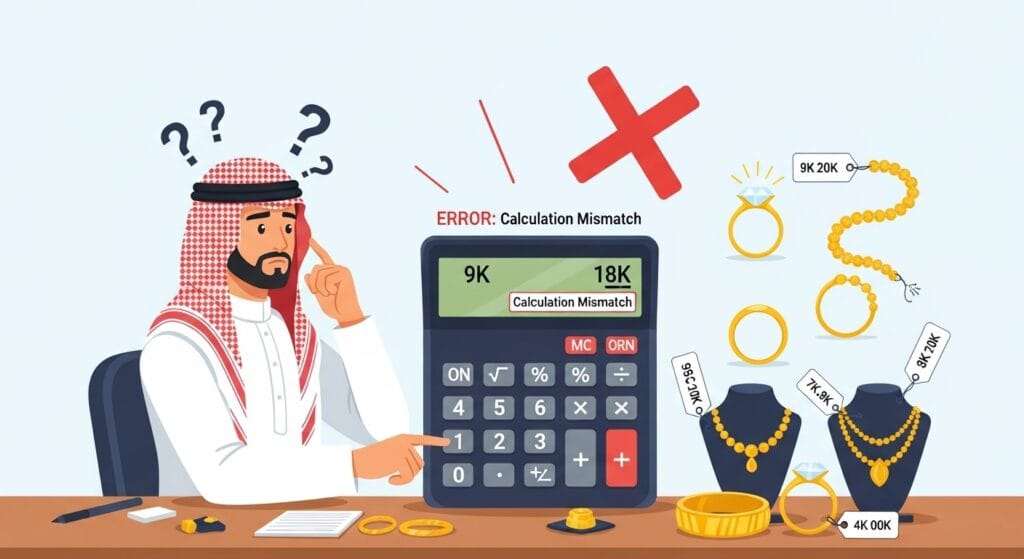
Manually calculating trade-ins requires weighing the old gold, determining its purity, calculating its melt value based on the current buy-back rate, and then applying that exact credit against the price of the new item. Doing this math on a piece of scratch paper is highly unprofessional and exposes the store to severe calculation errors.
By utilizing specialized digital tools, this entire workflow is automated. The cashier weighs the scrap gold, inputs the karat, and the system automatically calculates the exact trade-in value. It then deducts this amount from the new purchase and generates a clean, professional, and legally compliant electronic invoice. Recognizing the importance of specializing in gold and jewelry management programs means understanding that generic retail software simply cannot handle these split transactions accurately.
Managing Supplier Metal Accounts
In the wholesale and retail jewelry trade, transactions with suppliers are often conducted in pure metal weight rather than fiat currency. A supplier might provide you with two kilograms of 21k gold on consignment, and you owe them two kilograms back, regardless of the current cash value of the metal.
Advanced platforms feature dedicated “Metal Account” ledgers. These ledgers track your exact gold debt or surplus with every individual supplier, entirely separate from your cash accounting. This ensures that you always know exactly how much pure gold you owe to your vendors, allowing you to settle accounts accurately without being penalized by currency fluctuations.
How Do Digital Platforms Elevate Your Workforce Operations?
The success of your showroom depends entirely on the performance, integrity, and efficiency of your staff. Managing a team of highly skilled sales professionals requires sophisticated tracking to ensure they are compensated fairly and performing up to the brand’s standards.
Tracking Performance and Sales Commissions
If you pay your sales team a commission based purely on total gross revenue, they might be heavily discounting items just to close the deal, effectively giving away your profit margins.
An integrated management platform tracks sales down to the specific user ID. Management can generate detailed reports showing exactly who sold what, and more importantly, what the net profit margin was on those specific sales. This allows owners to structure commission plans based on actual profitability rather than just gross volume, incentivizing the staff to protect the store’s margins during price negotiations.
Centralizing Payroll and Labor Compliance
Tracking employee attendance, managing shift schedules, and calculating accurate monthly salaries is a massive administrative burden. When your sales system is disconnected from your human resources department, HR staff must manually pull data to process the monthly payroll.
By utilizing an Enterprise Resource Planning (ERP) platform like Daysum, you bridge this gap completely. Implementing the best tools for attendance and payroll integration in Saudi Arabia ensures that biometric clock-in data flows directly into the financial ledger. The system automatically calculates regular hours, applies correct overtime multipliers, deducts unpaid absences, and prepares the final salary disbursements in strict accordance with the Ministry of Human Resources and Social Development (MHRSD) regulations, protecting the business from costly labor disputes.
Which Essential Capabilities Should You Demand from Your Provider?
Not all software is created equal. When evaluating options to upgrade your business infrastructure, you must ensure the platform provides a comprehensive suite of tools designed specifically for the nuances of the precious metals industry.
|
Core Operational Feature |
Direct Business Benefit |
Application Scenario |
|
Specialized Inventory Management |
Real-time stock tracking across all locations |
Locating a specific diamond cut in a branch across the city to secure a sale immediately. |
|
Sales & Purchase Management |
Efficient, split-transaction invoicing |
Processing a customer trade-in of old gold against the purchase of a newly manufactured piece seamlessly. |
|
Customer Relationship Management (CRM) |
Tracking customer history and personal preferences |
Sending a targeted SMS offer to a VIP client a week before their spouse’s wedding anniversary. |
|
Advanced Financial Reporting |
Granular Profit & Loss (P&L) analysis |
Determining whether imported Italian chains or locally crafted sets yield the highest net margin for the quarter. |
|
Employee & Workforce Management |
Automated schedules and payroll tracking |
Calculating exact sales commissions and overtime hours without manual spreadsheet entry. |
|
System Integration (ERP) |
Complete POS and accounting compatibility |
Ensuring that every sale instantly updates the general ledger and automatically adjusts the daily cash flow reports. |
|
Military-Grade Data Security |
Absolute protection of financial records |
Safeguarding client data and profit margins from unauthorized internal access or external cyber threats. |
Building Loyalty Through CRM
Jewelry purchases are deeply emotional and highly personal. Customers return to jewelers they trust. The built-in CRM module captures vital client data at the point of sale. When a returning customer walks in, the salesperson can instantly pull up their profile, review their past purchases, check their exact ring size, and make highly personalized recommendations. This level of bespoke service is what transforms a one-time walk-in buyer into a multi-generational client for your brand.
Ensuring Absolute Data Security
Your financial margins, your supplier lists, and your VIP customer details are your most valuable trade secrets. Legacy systems stored on a computer in the back room are vulnerable to hard drive crashes, localized physical damage, and employee data theft.
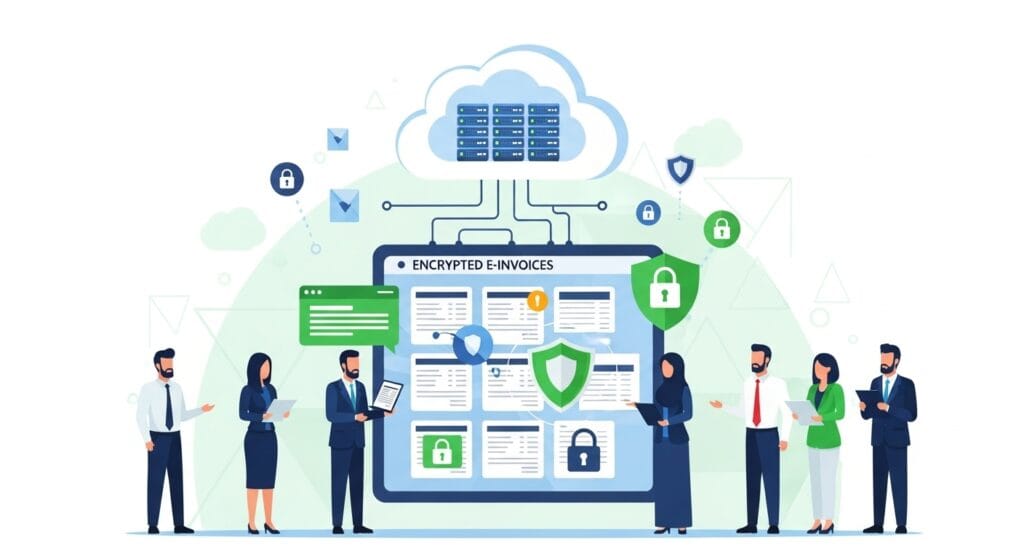
Premium cloud-based platforms utilize advanced encryption protocols and strict Role-Based Access Control (RBAC). This means a junior salesperson can only see the retail price on their terminal, while the store manager can view the wholesale costs, and only the executive board can access the comprehensive P&L statements. This granular security ensures your data remains completely protected while still allowing your staff to perform their daily duties efficiently.
Can Automation Truly Boost Enterprise Productivity?
The ultimate goal of adopting advanced technology is to remove the friction from daily operations. When store managers are forced to spend hours buried in paperwork, manually calculating making charges, and trying to balance the cash register against the physical inventory, they are not out on the floor driving sales or coaching their team.
Platforms like Daysum automate the administrative heavy lifting. They ensure that your inventory is impeccably organized, your prices are mathematically flawless, and your financial ledgers are strictly compliant with all local tax regulations. By centralizing your operations into a single, highly intuitive digital environment, you free your management team to focus their energy entirely on expanding the brand, delivering exceptional customer experiences, and maximizing the profitability of every single transaction.
Frequently Asked Questions
Modern cloud-based Point of Sale (POS) systems are engineered with robust offline capabilities. If your internet connection drops unexpectedly, the terminal will continue to scan barcodes, calculate prices based on the last synchronized gold rate, and print customer invoices. All transaction data is securely cached on the local machine. The moment the internet is restored, the system automatically pushes all the offline data to the central cloud servers without losing a single file.
Yes. If your business operates an internal workshop, the system includes a dedicated manufacturing module. When you hand 20 grams of gold to a goldsmith for polishing and it returns weighing 19.8 grams, the software allows you to log that 0.2-gram difference specifically as "Manufacturing Wastage." This allows your accounting department to accurately absorb the loss as a legitimate operational expense rather than flagging the missing weight as stolen inventory.
While initial setup requires careful attention, premium software providers streamline the process. You can export your current stock lists into a standard, pre-formatted Excel spreadsheet. This file is then uploaded directly into the new database in bulk. The technical implementation team will assist in mapping your product categories, setting your base gold rates, and generating the first batch of barcode tags for your existing physical stock.
The checkout interface is designed specifically for complex jewelry transactions. The cashier can easily select multiple payment methods for a single invoice. The system will accurately apply the value of the traded-in scrap gold, log the specific amount paid via the credit card terminal, and record the exact amount of physical cash handed over. This ensures the end-of-day register reconciliation is perfectly accurate across all payment types.
Not necessarily. Leading cloud-based management platforms are designed to be highly accessible and hardware-agnostic. They can run securely via a web browser on your existing Windows or Mac computers, as well as on modern tablets. You will only need to invest in specific peripherals, such as specialized barcode label printers and handheld scanners, which integrate seamlessly via USB or Bluetooth with your current computer setup.