The financial ecosystem of the Kingdom of Saudi Arabia is currently undergoing one of the most profound and rapid digital transformations in the world. As the nation aggressively pursues the objectives outlined in Saudi Vision 2030, traditional, paper-based financial operations are rapidly becoming a relic of the past. At the epicenter of this monumental shift is the seamless integration of electronic invoicing with advanced electronic payment (e-payment) gateways.
The sheer scale of this transformation is best illustrated by recent data: in 2025 alone, Saudi Arabia handled an astonishing 8.2 billion e-invoices via the Zakat, Tax and Customs Authority’s (ZATCA) FATOORA platform. This represents a massive 64% surge in digital billing activity compared to previous years. This explosion in digital invoicing is not happening in a vacuum; it is deeply intertwined with the rise of national and international e-payment gateways like Mada and SADAD. Today, by integrating compliant billing software with these payment networks, Saudi businesses have managed to slash processing times dramatically, boosting e-payment adoption to cover an impressive 75% of all commercial transactions in the Kingdom.
In this comprehensive guide, we will explore the symbiotic relationship between e-invoicing and e-payments. We will dissect the current market landscape, analyze the tangible financial and operational benefits of digitizing your cash flow, examine real-world success cases from Saudi corporate giants, and evaluate how leading platforms like Daysum are providing the ultimate technological bridge to ensure your business remains competitive, compliant, and highly profitable.
Market Overview: The Saudi Digital Financial Landscape
To fully grasp the importance of integrating e-invoicing with e-payments, business leaders must first understand the strict regulatory environment and the robust technological infrastructure driving the Saudi market today.
The ZATCA Phase 2 Rollout and Wave 24
ZATCA has taken a firm, phased approach to digitizing the economy to ensure maximum compliance and minimal market disruption. We are currently navigating the complexities of Phase 2, also known as the Integration Phase. This phase mandates real-time, instantaneous electronic invoicing for both B2B (Business-to-Business) and B2C (Business-to-Consumer) transactions.
The rollout is executed in targeted waves. For instance, Wave 24, which goes into full effect in June 2026, specifically targets businesses with annual revenues exceeding SAR 375,000. For these businesses, generating an electronic invoice ksa is no longer just about creating a digital receipt; it is about linking highly structured XML invoices directly to the ZATCA FATOORA portal in real-time. This immediate data transfer is the government’s primary weapon for ensuring strict VAT compliance and drastically reducing tax fraud and commercial concealment.
The E-Payment Infrastructure: Mada, Visa, and POS Devices
Parallel to the invoicing mandate is the booming e-payment infrastructure. Saudi Arabia boasts one of the most advanced payment networks in the Middle East. The national payment network, Mada, processes millions of daily transactions with highly competitive merchant fees hovering around 1.75%. International gateways like Visa and Mastercard are also deeply embedded, typically carrying a fee structure of approximately 2.75% plus a fixed fee of SAR 1 per transaction.
These payment gateways currently support a staggering network of over 700,000 Point of Sale (POS) devices scattered across the Kingdom. When a modern POS system is integrated seamlessly with an e-invoicing platform, the moment a customer taps their card, the payment is processed, the tax is calculated, the XML invoice is generated, and the data is sent to ZATCA simultaneously. This seamless micro-interaction is the very engine driving the Vision 2030 digitization goals.
The Transformative Benefits of E-Payments for Businesses
Transitioning from cash-heavy operations to streamlined e-payment ecosystems offers businesses far more than just technological novelty. It provides measurable, highly impactful financial benefits that directly improve the bottom line.
1. Slashing Operational Costs by 30-40%
Traditional cash handling and paper invoicing are incredibly expensive. Businesses bear the hidden costs of purchasing receipt paper, maintaining printers, securing cash transit, and dedicating hundreds of human hours to manual data entry and reconciliation. By shifting to e-payments linked to digital invoices, companies can slash these operational and administrative costs by 30% to 40%. The elimination of paper alone represents a massive saving for high-volume retailers.
2. Speeding Collections from Weeks to Days
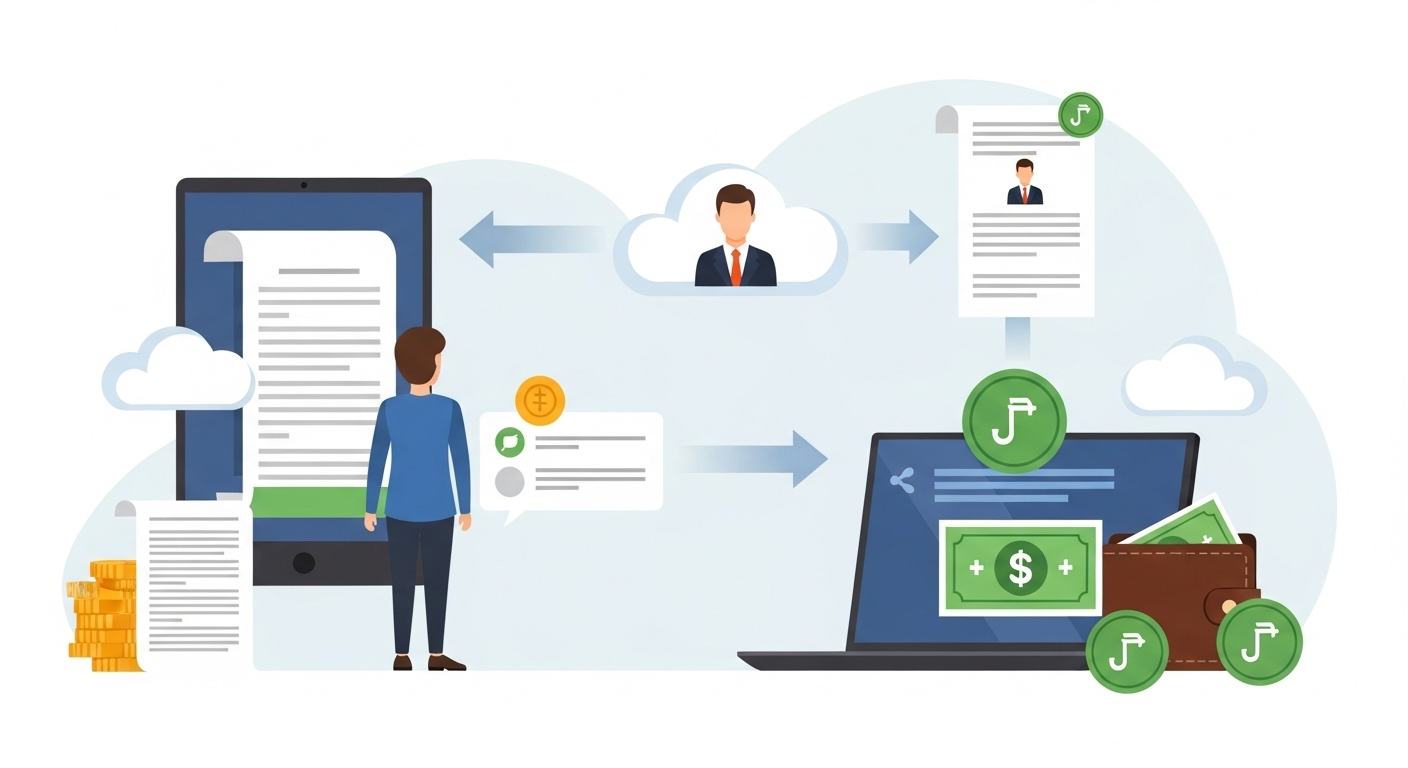
In the B2B sector, the standard billing cycle has historically been painfully slow. A company issues a paper invoice, mails it to the client, waits for approval, and then waits weeks (or even months) for a physical check or a manual bank transfer. E-payments integrated with digital invoices change this paradigm completely. By embedding direct payment links into the digital invoice, businesses speed up their collections, reducing the cycle from weeks to mere days.
3. Achieving 98% Data Accuracy via Automated Reconciliation
Manual accounting is prone to human error. Matching a stack of bank transfer receipts against a ledger of issued invoices is a tedious process that often results in mismatched funds. When utilizing a robust integrated accounting system, the e-payment gateway communicates directly with the general ledger. Once a payment is cleared, the system automatically marks the corresponding invoice as paid, achieving an unprecedented 98% data accuracy rate through automated reconciliation.
4. Improving Cash Flow by 50% for SMEs
Cash flow is the lifeblood of Small and Medium Enterprises (SMEs). Late payments and delayed invoicing can easily bankrupt a growing business. By reducing errors, eliminating manual entry delays, and providing clients with instant, frictionless payment methods, SMEs have reported a 50% improvement in their operational cash flow.
The Critical Role of E-Invoicing in Payment Processes
E-payments cannot function efficiently in a corporate environment without the structural backbone of e-invoicing. The e-invoice acts as the legal and informational bridge that justifies the electronic transfer of funds.
Instant Delivery and Verification
Modern e-invoices enable instant delivery to the client via automated emails, SMS, or secure dedicated B2B portals. The moment an invoice is generated, the client receives it. Furthermore, every ZATCA-compliant B2C invoice includes a dynamic QR code. Customers can scan this code to instantly verify the authenticity of the transaction, creating immediate trust before they authorize their e-payment.
Cutting Errors and Linking Payments Seamlessly
Because e-invoices pull data directly from inventory and CRM databases, mathematical and pricing errors are cut by 60%. This precision ensures that the payment requested matches the payment owed exactly, preventing the need for complex, time-consuming refunds or credit notes.
Real-World Corporate Triumphs: STC and Jarir
To understand the power of this integration, look at Saudi Telecom Company (STC). By linking their e-payment gateways directly to their advanced e-invoicing engines, STC reduced their invoice processing time from an agonizing 7 days down to just 3 days. This leap in efficiency boosted overall customer satisfaction by 15%.
Similarly, Jarir Bookstore, a retail titan, revolutionized its B2B corporate sales division. They successfully reduced complex corporate invoice issuance times to just 2 hours and witnessed an 80% drop in fraud and internal accounting discrepancies by relying entirely on automated e-invoicing tied to digital payments.
Elevating Customer Experience Gains Through Integration
The ultimate beneficiary of synchronized e-invoicing and e-payments is the customer. A frictionless payment experience leaves a lasting positive impression and fosters deep brand loyalty.
- Instant Notifications and Clarity: Customers receive immediate digital confirmation of their purchases. This instant notification provides peace of mind, assuring them that their payment was successful and securely logged.
- Multiple Payment Options: Modern systems give the customer the power of choice. Whether they prefer using credit cards, Mada, or digital wallets like STC Pay (which carries a competitive 1.7% fee), the integrated system handles it seamlessly.
- Digital Archives for Consumers: Customers no longer have to hoard fading thermal receipts for warranties. Digital invoices provide them with a permanent, easily searchable digital archive of their purchases.
This combination of transparency, speed, and convenience has a measurable impact on brand loyalty. Companies that have fully optimized their checkout and invoicing experience report a 20% lift in customer loyalty and retention. For instance, the FMCG giant Almarai integrated their B2B digital payments and invoicing, cutting transaction errors by 50%. This flawless accuracy massively enhanced trust among their distributors and retail partners.
The Tax Compliance Edge: Shielding Your Business
While efficiency and customer experience are vital, the foundational reason for the shift to e invoicing zatca solutions is strict legal compliance.
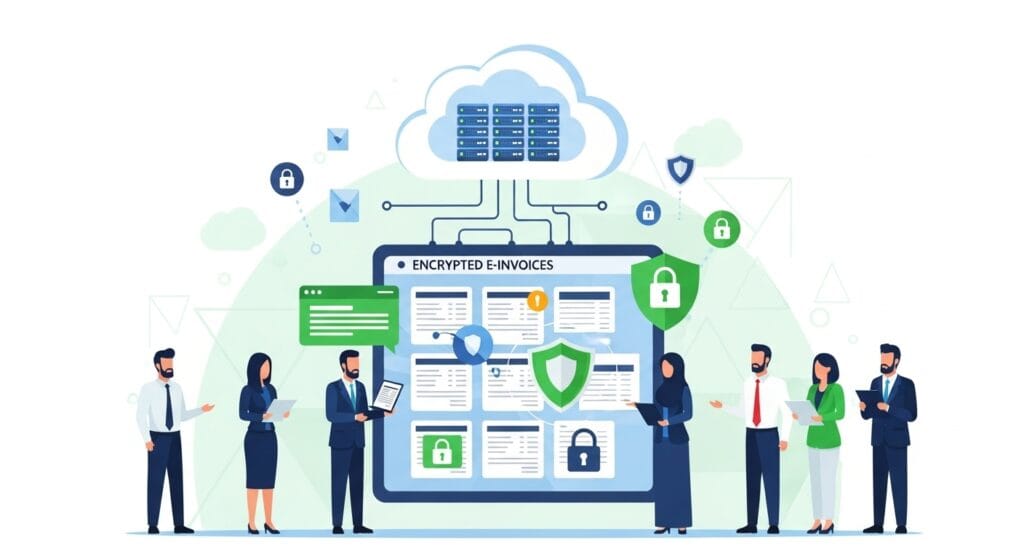
E-invoicing software automatically formats financial data into the mandated XML structure and auto-sends this data to the ZATCA portal in real-time. This ensures that every transaction is logged, every halala of VAT is accurately calculated, and the business maintains unified, standardized tax invoices across all its branches.
Failing to comply with these real-time integration mandates can result in catastrophic financial penalties, with fines reaching up to tens of thousands of Saudi Riyals per violation. By deploying a system that offers 100% compliance coverage for Phase 2, businesses shield themselves from legal liabilities and painful tax audits.
Competitor Comparison: Finding the Right Provider in KSA
The Saudi market is saturated with software providers offering various levels of e-invoicing and payment integration. Choosing the right partner requires a careful evaluation of their key strengths, pricing, and true ZATCA compliance status.
Below is a detailed comparison of the top providers operating in the Kingdom today:
|
Provider |
Key Strengths & Core Features |
Pricing / Market Notes |
ZATCA Compliance Status |
|
Daysum |
Deep ERP integration, native Salla/Zid e-commerce links, dedicated POS modules. |
Highly competitive: Base plans start at SAR 750/year. |
Fully Approved (Phase 1 & Phase 2) |
|
Qoyod |
Advanced financial dashboards, excellent recurring invoice automation. |
Premium pricing; includes full accounting services. |
Phase 2 Compliant |
|
Wafeq |
Exceptionally SME-friendly UI, good regional support across the GCC. |
Budget-friendly for very small businesses. |
ZATCA Approved |
|
HyperPay |
Strong mobile invoicing capabilities, massive MENA payment gateway network. |
Transaction-based (e.g., 2.75% for credit cards). |
Supported Gateway Integration |
|
SADAD |
Unified billing for both government and large private sector invoices. |
National platform; transaction fees apply. |
Fully Trusted National Infrastructure |
Why Daysum Leads the Pack
While many platforms offer basic compliance, Daysum excels in providing a cost-effective, all-in-one solution for Saudi businesses. Undertaking a comprehensive odoo implementation saudi arabia through Daysum means your e-invoicing is not an isolated tool; it is deeply embedded into your inventory, CRM, and e-commerce platforms (like Salla and Zid). This holistic approach ensures that when an e-payment is received online, the entire company’s backend updates in real-time.
Furthermore, Daysum caters to highly specialized industries. For example, if you operate a jewelry business, generic software cannot handle the complex tax rules regarding precious metals. Utilizing the best gold accounting software modules within Daysum allows merchants to seamlessly separate live gold prices from making charges on their e-invoices, ensuring both flawless e-payments and absolute ZATCA compliance.
Saudi Success Cases: Real-World Optimization
The theories of efficiency are best proven through the lens of real-world application. Major Saudi enterprises have utilized the integration of e-payments and e-invoicing to completely turn around their financial operations.
Saudi Arabian Baytur
In the complex world of construction and contracting, billing cycles are notoriously prolonged due to heavy paperwork and manual verifications. By adopting an advanced, integrated e-invoicing and payment system, Saudi Arabian Baytur managed to halve their billing cycles, bringing them down to just 15 days. By removing the friction of paper processing and enabling faster digital approvals and payments, the company cut its administrative costs by an astounding 40%, vastly improving their project cash flows.
Saudi Aramco
As the largest energy company globally, Saudi Aramco deals with a supply chain of unimaginable scale. By pioneering a direct, deep integration between their massive ERP systems and the ZATCA FATOORA portal, Aramco achieved 100% compliance. This massive digital leap allowed them to optimize e-payments for tens of thousands of local and international contractors, ensuring that the financial gears of the Kingdom’s most critical industry turn with unparalleled speed and flawless precision.
The Roadmap to Implementing Integrated Financial Solutions
For a Saudi business looking to upgrade its operations, the transition to integrated e-invoicing and e-payments should follow a structured roadmap:
- Audit Your Current Workflows: Identify the bottlenecks in your cash flow. Are your cashiers spending too much time typing in data? Are your B2B invoices taking weeks to get paid?
- Choose a Comprehensive ERP Partner: Avoid fragmented software. Select a partner like Daysum that offers everything from POS management to ZATCA compliance in a single, unified environment.
- Integrate Your Payment Gateways: Work with your software provider to securely link your bank accounts and chosen payment gateways (Mada, Visa, STC Pay) directly to the invoicing module.
- Train Your Team: Ensure your sales and accounting teams understand how the automated reconciliation works, allowing them to focus on analysis rather than data entry.
- Educate Your Customers: Inform your B2B clients and retail customers about your new, faster, and highly secure digital payment and invoicing capabilities to encourage adoption.
Conclusion: The Future of Commerce is Here
The convergence of electronic invoicing and electronic payments is not merely a passing technological trend; it is the new, permanent foundation of commerce in Saudi Arabia. By eliminating the inefficiencies of paper, drastically reducing manual errors, and accelerating the flow of capital, businesses can achieve unprecedented levels of operational efficiency.
Compliance with ZATCA Phase 2 is mandatory, but how you choose to comply will determine your market competitiveness. By selecting a robust, deeply integrated platform like Daysum, you transform a regulatory requirement into a powerful engine for financial growth, customer satisfaction, and long-term business success.
Do not let outdated billing and payment processes hold your business back. Embrace the digital transformation today. Start your free trial with Daysum, integrate your e-payments seamlessly, and watch your business efficiency soar!
Frequently Asked Questions (FAQs)
A standard PDF is just a digital picture of a document; the client still has to manually log into their bank to transfer funds. A modern, system-generated e-invoice is interactive. It contains embedded, secure payment links (API integrations) connected directly to gateways like Visa, Mada, or STC Pay. When the client receives the e-invoice via email or WhatsApp, they simply click the "Pay Now" button, enter their details, and settle the invoice instantly, cutting the payment cycle from weeks to seconds.
Yes, it is highly secure. Leading platforms like Daysum utilize bank-grade encryption and comply with strict national cybersecurity standards. The e-invoicing software does not store sensitive credit card data; instead, it uses secure API tokens to communicate with the payment gateways. This ensures that funds are routed directly to your merchant bank account safely, while the software simply receives a confirmation signal to mark the invoice as "Paid".
While e-payments themselves do not prevent fines, the automated e-invoicing system that processes them does. ZATCA issues fines for late reporting, incorrect VAT calculations, or failing to use the required XML structure and Cryptographic Stamps. By using an approved system that automatically links the e-payment to a perfectly formatted XML invoice and instantly transmits it to the FATOORA portal, you guarantee 100% compliance and completely shield your business from costly regulatory penalties.
When your e-commerce store on Salla or Zid is not integrated with your accounting software, you have to manually reconcile the online payments with your tax records, which is slow and prone to errors. Daysum’s direct API integration means that the moment a customer pays online, Daysum instantly registers the e-payment, automatically generates the official ZATCA-compliant tax invoice, emails it to the buyer, and updates your general ledger. This creates a fully automated, zero-touch financial workflow for your online business.