The fundamental concept of workplace identity verification has undergone a radical transformation over the past decade. Traditional methods of recording when an employee begins and ends their shift—such as paper timesheets, magnetic swipe cards, or simple personal identification numbers (PINs)—have proven to be highly vulnerable to manipulation and administrative errors. To establish a secure, foolproof, and highly efficient operational environment, modern enterprises are abandoning these legacy tools in favor of advanced physical verification methods.
Relying on the unique physiological characteristics of individual staff members, these advanced hardware terminals guarantee that the person clocking in is exactly who they claim to be. This technological shift is not merely about upgrading office hardware; it is a strategic move to protect payroll budgets, streamline human resources operations, and enforce strict access control across corporate facilities.
Core Technologies Powering Biometric Terminals
To fully grasp how these devices protect organizational assets, it is essential to understand the underlying mechanisms that capture, encrypt, and verify human traits. These systems operate by scanning a specific physical attribute, converting that image into a complex mathematical algorithm, and securely storing it as a digital template. When an employee attempts to log their time, the device scans them again and compares the live data against the stored template in a fraction of a second.
For organizations looking to build a secure infrastructure, exploring a comprehensive guide to biometric attendance systems in Saudi companies is an excellent starting point to understand which specific technology aligns with their operational environment.
Fingerprint Recognition
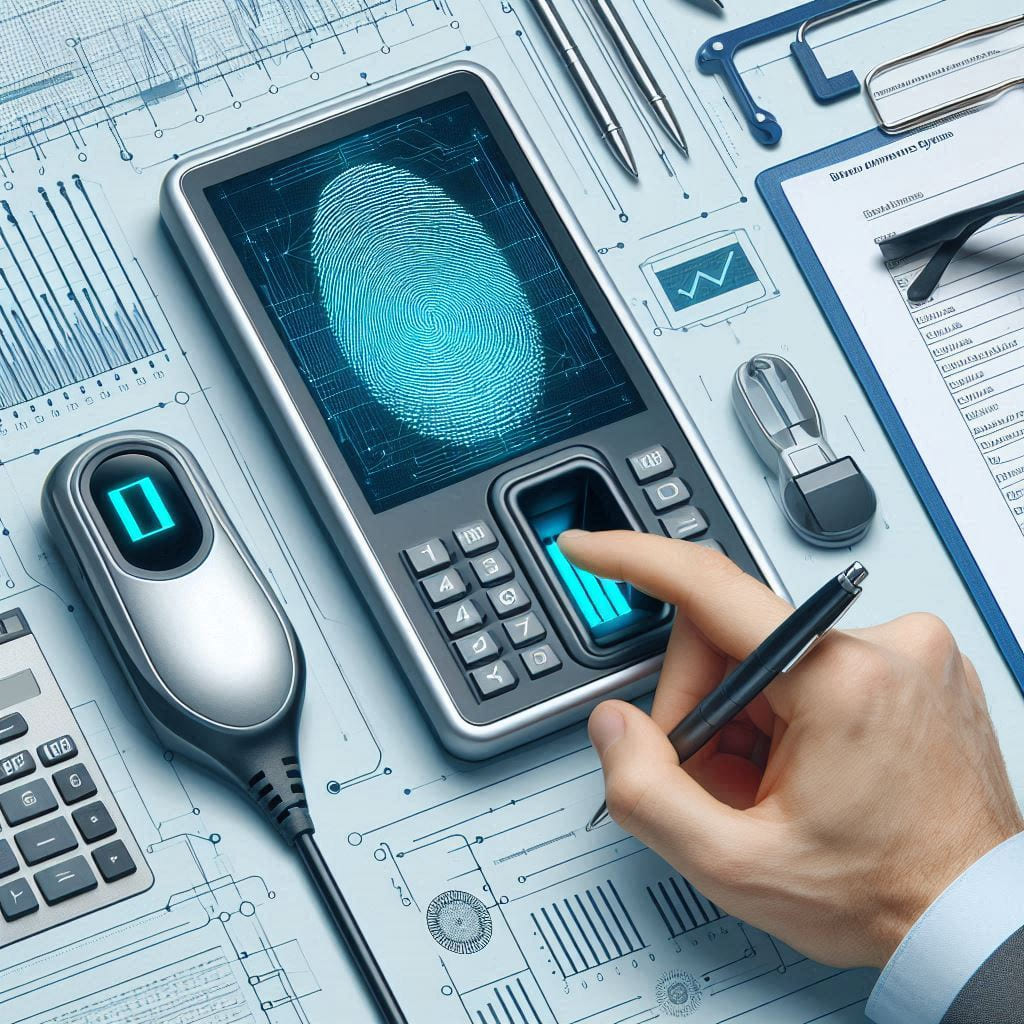
This remains the most widely adopted and recognizable form of physical identity verification globally. Fingerprint scanners analyze the highly unique patterns of ridges, valleys, and minutiae points on the surface of an individual’s finger.
- Optical Scanners: Capture a high-contrast digital photograph of the fingerprint using an internal light source.
- Capacitive Scanners: Utilize tiny electrical currents to map the physical depth of the fingerprint ridges, making it nearly impossible to fool the system with a printed image or a silicone mold.
This method is highly favored in standard office environments due to its reliability, ease of use, and relatively low implementation cost per unit.
Facial Recognition Mapping
Following recent global shifts toward touchless technology, facial recognition has surged in popularity. These terminals use advanced cameras and software algorithms to map the geometry of an employee’s face.
- The software measures specific nodal points, such as the exact distance between the eyes, the depth of the eye sockets, the width of the nose, and the shape of the jawline.
- Modern devices incorporate infrared sensors, allowing them to accurately identify staff members even in poorly lit environments or night shifts.
Because it requires zero physical contact, this method is exceptionally hygienic and highly recommended for healthcare facilities, food processing plants, and heavy manufacturing sites where employees might have dirty or gloved hands.
Iris Scanning
Considered one of the most secure biometric modalities available, iris recognition analyzes the complex, intricate patterns found in the colored ring of the eye. The human iris contains hundreds of unique characteristics that remain completely stable throughout a person’s lifetime.
The scanning process involves illuminating the eye with gentle near-infrared light to capture the detailed structures, which are then matched against the database. Due to the high cost of the specialized cameras required, iris scanning is typically reserved for highly sensitive environments such as research laboratories, government facilities, or secure data centers.
Hand Geometry Measurement
While slightly older than facial or iris scanning, hand geometry remains a robust solution for specific industrial applications. These devices measure the physical dimensions of the hand, including the length, width, thickness, and surface area of the fingers and palm.
Although not as uniquely distinctive as a fingerprint, hand geometry is highly durable. It performs exceptionally well in harsh industrial environments—such as construction sites or mining operations—where workers’ fingerprints might be temporarily worn down, scarred, or covered in grease.
Why Are Legacy Systems Failing Modern Businesses?
The transition toward physiological verification is driven by the severe limitations and hidden costs associated with traditional timekeeping methods. Relying on outdated practices consistently drains corporate resources and creates administrative bottlenecks.
The End of Manual Calculation Errors
Human error is an unavoidable byproduct of manual data entry. When HR personnel are tasked with transcribing handwritten timesheets or deciphering disorganized punch cards at the end of every month, mistakes are inevitable. A missed decimal point or a misread number can result in significant payroll discrepancies.
By entirely automating the data capture process at the source, biometric terminals eradicate these typographical errors. The exact minute an employee arrives is permanently logged into the database, ensuring that the data flowing into the finance department is flawlessly accurate. Avoiding these common mistakes in attendance and payroll management prevents employee disputes and protects the company from accidental overpayments.
Eradicating Time Theft and Buddy Punching
One of the most persistent financial leaks in businesses using swipe cards or passwords is “buddy punching”—the practice where one employee clocks in on behalf of a coworker who is late or absent. While a few minutes here and there might seem insignificant, across a workforce of hundreds of employees over a fiscal year, buddy punching translates into massive financial losses.
Because a physical trait cannot be shared, borrowed, or stolen, biometric systems completely neutralize this threat. The physical presence of the employee is an absolute requirement to trigger a successful time log, ensuring that companies only pay for the exact labor hours actually rendered.
Accelerating Shift Transitions
In environments with hundreds of workers arriving simultaneously—such as factories, large retail complexes, or construction sites—shift bottlenecks are a major issue. Swiping cards or typing long PINs slows down the entry process, causing long queues and cutting into productive working time.
Modern biometric terminals process a scan and verify the identity in less than a second. This rapid throughput ensures that large volumes of staff can pass through entry gates quickly and efficiently, starting their designated shifts without unnecessary delays.
Calculating the Long-Term Financial Return
While the initial acquisition and installation of biometric hardware require a capital investment, the return on investment (ROI) is realized rapidly.
Companies save money by eliminating the recurring costs of printing plastic ID cards, replacing lost badges, and repairing broken mechanical punch clocks. Furthermore, the immediate reduction in time theft and the streamlining of HR administrative hours create a permanent reduction in monthly operational expenses.
Comparison of Verification Methods
|
Feature |
Traditional Methods (Cards/PINs) |
Biometric Systems |
|
Security Level |
Low (Credentials can be shared or stolen) |
Extremely High (Unique physical traits) |
|
Ongoing Costs |
High (Replacing lost cards, administrative time) |
Low (No physical tokens required) |
|
Buddy Punching |
Highly susceptible |
Completely eliminated |
|
Processing Speed |
Moderate to Slow |
Instantaneous (Sub-second verification) |
|
Data Accuracy |
Prone to manual manipulation |
100% accurate and timestamped |
Strategic Advantages for the Saudi Corporate Landscape
The business environment in the Kingdom of Saudi Arabia is evolving rapidly, heavily influenced by Vision 2030 initiatives that prioritize digital transformation, operational transparency, and strict regulatory compliance. Implementing a robust biometric infrastructure aligns perfectly with these national goals, offering localized advantages for companies operating within the Kingdom.
Reclaiming HR Productivity for Strategic Growth
The traditional end-of-month payroll cycle is notoriously stressful for HR departments. Tracking down missing timesheets, verifying overtime claims, and manually inputting data into accounting software consumes days of valuable administrative time.
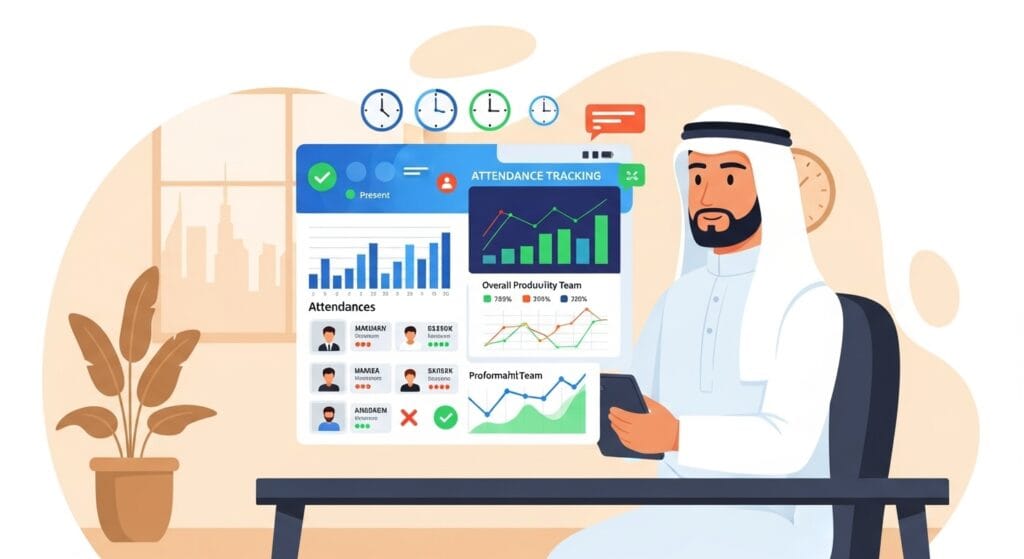
By integrating biometric hardware with a centralized software platform, HR professionals are liberated from this repetitive data entry. The system automatically tallies regular hours, calculates tardiness, and prepares the data for final review. This automation allows the HR team to refocus their energy on strategic initiatives such as talent acquisition, employee training programs, and improving the overall workplace culture.
Securing Corporate Facilities and Assets
Beyond simply tracking hours, these terminals serve as the frontline defense for corporate security. In sectors dealing with sensitive client data, valuable inventory, or hazardous materials, restricting access is a critical priority.
Biometric readers can be wired directly to electronic door locks, turnstiles, and server room entrances. This ensures that only authorized personnel can enter specific zones within a building. Furthermore, if an employee is terminated or resigns, their biometric profile can be instantly deactivated from the central database, immediately revoking their physical access across all company locations without worrying about retrieving a physical key or access badge.
Meeting Strict Labor Law Requirements
The Saudi Ministry of Human Resources and Social Development (MHRSD) enforces stringent regulations regarding working hours, mandatory rest periods, and the calculation of overtime wages. Furthermore, the implementation of the Wage Protection System (WPS) requires companies to maintain flawless, auditable records of employee attendance and corresponding financial compensation.
A biometric system provides an undeniable, digitally timestamped audit trail of every employee’s movements. This exact digital record makes it significantly easier for organizations to ensure your HR system complies with Saudi labor laws. When labor inspectors request documentation, or if an employee disputes their overtime payment, the company can instantly produce an accurate, tamper-proof report detailing the exact seconds the employee spent on the premises.
Elevating the Employee Experience
From the perspective of the staff, biometric systems remove several daily micro-frustrations. Employees no longer need to remember complex, frequently changing passwords, nor do they need to worry about forgetting their access badge at home and facing disciplinary action for a missed clock-in.
The process becomes entirely frictionless. An employee simply walks up to the terminal, glances at the camera or touches the scanner, and proceeds to their workstation. When combined with advanced software platforms that include employee self-service (ESS) systems, staff members gain total transparency. They can log into a mobile app to view their own verified attendance records, check their overtime accumulation, and ensure their upcoming paycheck will be perfectly accurate.
Unifying Hardware with Software Infrastructure
It is crucial to understand that a biometric fingerprint or facial scanner is merely a data collection tool. The true power of this technology is unlocked when the hardware is seamlessly integrated with a powerful backend software architecture.
A scanner mounted on a wall cannot process payroll or generate managerial reports on its own. It must push the collected logs via a local network or cloud connection into a centralized database. The importance of attendance integration with payroll systems cannot be overstated. When the physical terminal communicates flawlessly with the company’s Enterprise Resource Planning (ERP) platform, the entire lifecycle of employee management becomes automated.
For instance, when utilizing an advanced ERP ecosystem like Daysum, the biometric data flows directly into the HR module. The system automatically cross-references the clock-in time against the employee’s assigned shift schedule, calculates any applicable late penalties, processes authorized overtime, and feeds the final, verified numbers directly into the accounting ledger for the final payroll run.
This end-to-end integration bridges the gap between physical building security, daily operational management, and final financial disbursements. It provides executive management with a single source of truth, eliminating data silos between departments and fostering a culture of absolute accountability and precision across the entire enterprise.
Frequently Asked Questions
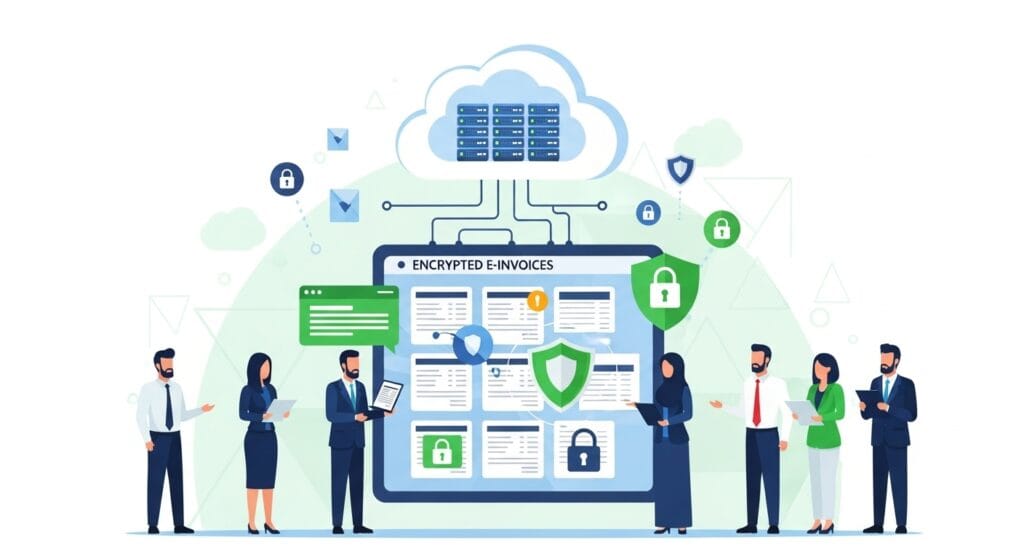
No. Modern biometric systems do not store actual images of an employee's fingerprint or face. Instead, they convert the physical scan into a complex, encrypted mathematical algorithm (a template). Even if a hacker were to breach the database and steal this data, it is impossible to reverse-engineer the mathematical code back into a usable physical fingerprint.
Advanced facial recognition devices are equipped with near-infrared (NIR) cameras and dual-lens technology. This allows the terminal to accurately scan and map the contours of a face even in complete darkness, ensuring that night-shift workers or employees entering poorly lit warehouse environments can clock in without any issues.
While fingerprint scanners do require physical contact, they can be easily sanitized with standard electronic-safe wipes. However, for organizations with strict health and safety protocols, upgrading to touchless facial recognition or iris scanning terminals completely eliminates any risk of cross-contamination between staff members.
Biometric terminals are equipped with internal memory storage. If the local network or internet connection drops, the device will continue to authenticate employees and store the timestamped logs locally on its hard drive. Once the network connection is restored, the terminal automatically pushes all the saved offline data to the central server without any loss of records.
The enrollment process is exceptionally fast and straightforward. During the onboarding process, the HR administrator guides the new hire to the terminal to scan their fingerprint or face a few times from different angles. The device generates the encrypted template in seconds, assigns it to the employee's ID number, and synchronizes the profile across all connected terminals in the building instantly.