Odoo ERP Customization Services by Daysum: Tailoring Open Source ERP for Saudi Business Excellence
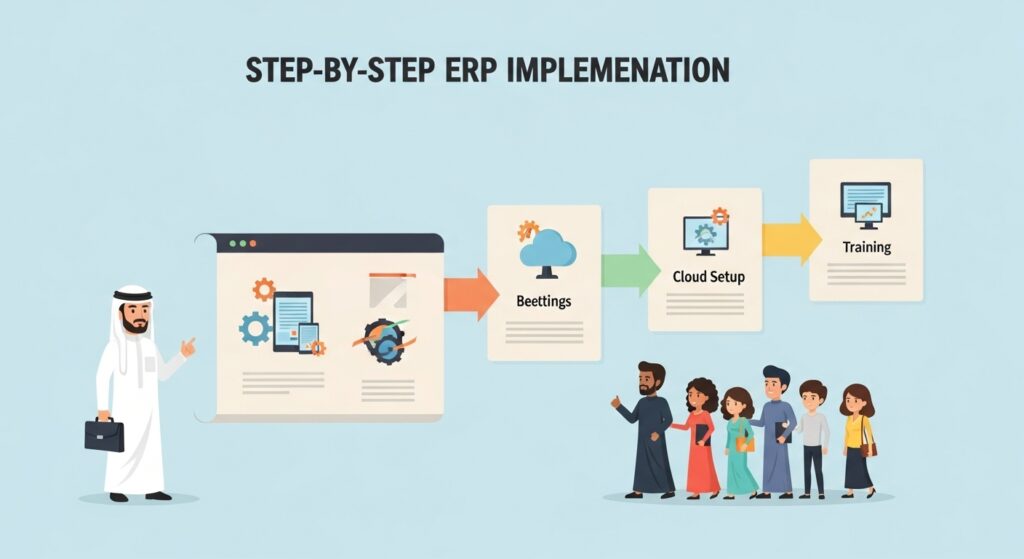
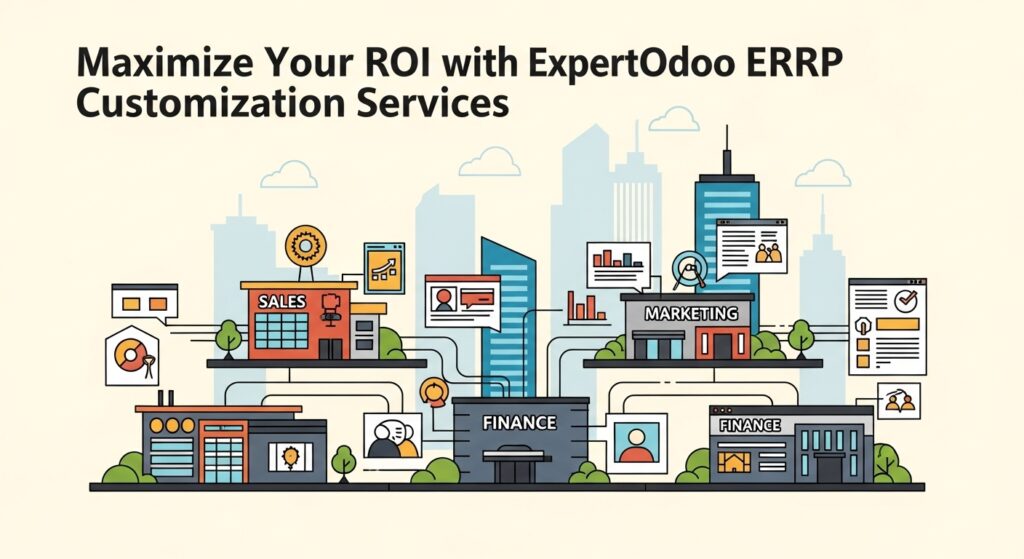
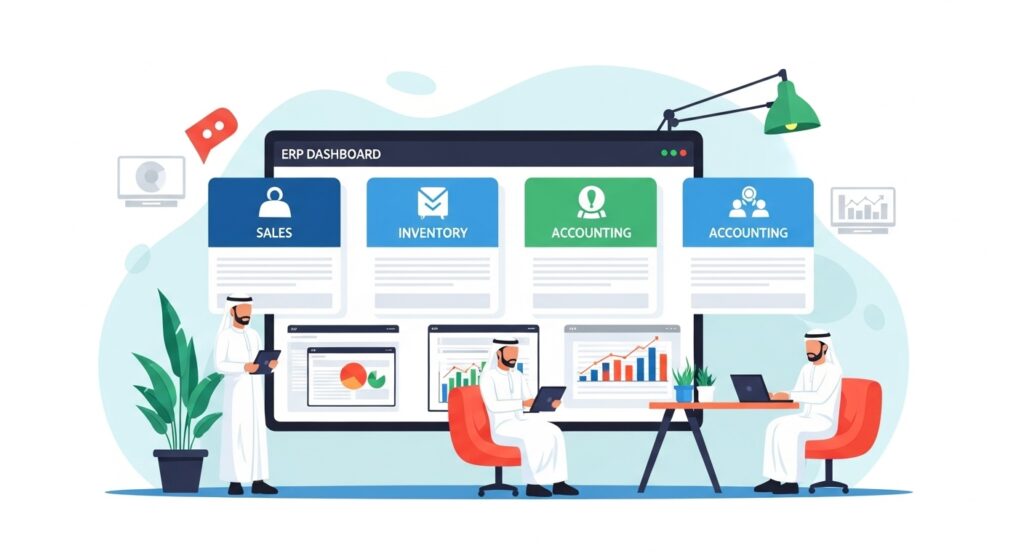
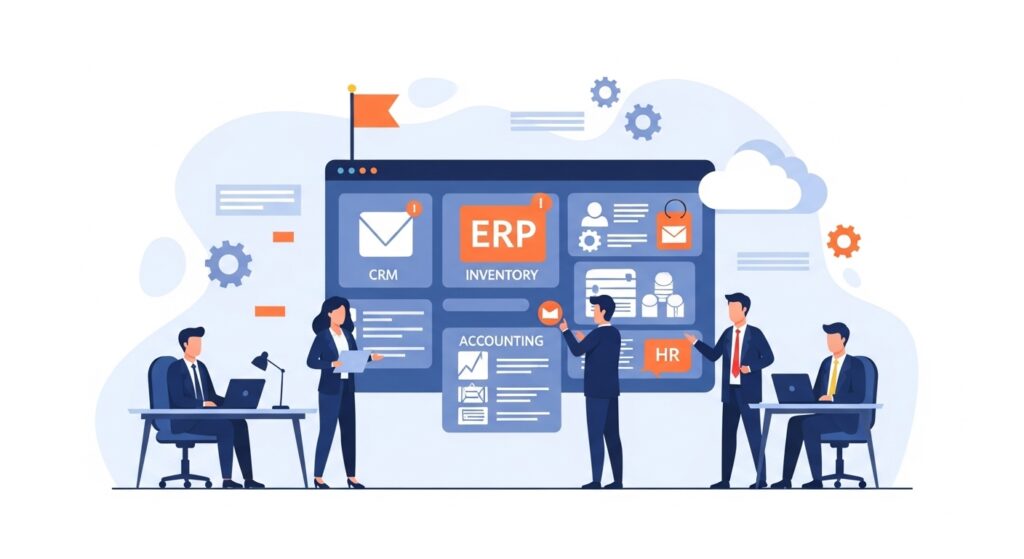
As businesses in Saudi Arabia accelerate their digital transformation, many are turning to flexible and scalable enterprise platforms to manage operations more efficiently. While out-of-the-box ERP solutions offer standardized capabilities, they often fall short of addressing industry-specific or local requirements. That’s where odoo ERP customization services from Daysum come in—delivering tailored ERP experiences that align with unique business needs across various sectors. What Is Odoo ERP and Why Businesses Prefer It? Odoo ERP is a modular, open-source business management platform that offers a wide array of integrated applications, including accounting, sales, CRM, inventory, HR, and more. Unlike rigid legacy systems, odoo software is built for agility and customization, allowing companies to implement only the modules they need and scale over time. The true power of odoo open source ERP lies in its community-driven development model and its flexibility to adapt to evolving business processes. For Saudi organizations seeking growth without being constrained by technology, Odoo offers a dynamic foundation that evolves with the business. Why Off-the-Shelf ERP Systems Fall Short Many organizations begin their ERP journey with generic software that promises a quick fix. However, off-the-shelf platforms often lack the flexibility to adapt to localized workflows, regulatory environments, or industry-specific processes. This mismatch leads to inefficiencies, low user adoption, and missed opportunities. With odoo software, businesses benefit from a framework that is designed to be molded. Through effective customization, your ERP becomes a strategic enabler rather than a technical bottleneck. The Strategic Value of Odoo ERP Customization Services for Saudi Companies Daysum understands that no two businesses operate the same way. Our odoo ERP customization services are focused on enhancing user experience, automating local compliance processes, and aligning modules with your operational strategy. Key areas of customization include: This tailored approach allows organizations to achieve higher efficiency, data visibility, and user satisfaction from their odoo ERP software. Why Daysum Is the Right Partner for Odoo ERP Implementation and Customization With deep experience in both ERP strategy and Saudi market dynamics, Daysum delivers comprehensive odoo ERP implementation and customization services across the GCC region. We take a consultative approach, aligning business goals with technical execution. What sets us apart: Whether you’re starting fresh or scaling your existing odoo ERP instance, Daysum ensures that the solution fits your business like a glove. Our Approach to Successful Odoo ERP Implementation Customizing an ERP platform is not just about writing code—it’s about solving problems and creating value. Our odoo ERP implementation process includes: This lifecycle ensures that every feature deployed serves a clear business purpose and delivers measurable ROI. Real-World Success Stories with Odoo ERP Software Companies across sectors such as retail, logistics, and professional services have partnered with Daysum to build powerful, customized odoo ERP solutions. These implementations have resulted in: These outcomes demonstrate how odoo ERP customization services go beyond automation—they enable smarter decision-making, scalability, and digital maturity. Integration Power: Extend the Value of Odoo ERP A key strength of odoo open source ERP is its ability to integrate with virtually any platform. Whether it’s payment gateways, shipping APIs, CRM platforms, or government systems, Daysum enables: These capabilities turn odoo ERP software into a central hub for your entire enterprise ecosystem. Is Odoo Open Source ERP Secure and Scalable? Absolutely. While odoo open source ERP offers transparency and freedom from vendor lock-in, it also adheres to enterprise-grade security standards. At Daysum, we deploy Odoo in secure, encrypted cloud environments, ensuring that your data is protected and your infrastructure is scalable as your business grows. Conclusion: Unlock the Full Potential of Odoo ERP with Daysum For Saudi businesses seeking a flexible, reliable, and locally-optimized ERP platform, odoo ERP customization services from Daysum deliver unmatched value. With deep technical expertise, a localized approach, and an agile implementation methodology, we help you transform Odoo into a platform that accelerates growth—not just manages it. Looking to maximize your ERP investment?Contact Daysum today to schedule a free consultation and discover how a custom-tailored odoo ERP solution can transform your business operations.