Odoo

A Complete Guide to Smooth Odoo ERP Implementation

A Complete Guide to Smooth Odoo ERP Implementation

Why Implementation Defines ERP Success Implementing an ERP system is more than just installing software—it’s a transformation process. And when it comes to Odoo ERP, how you implement it directly impacts how much value you get out of it. With the flexibility and modularity of Odoo, a well-planned implementation strategy can improve efficiency, data visibility, and compliance—especially for companies operating in Saudi Arabia under evolving regulations like ZATCA. Let’s walk through a complete guide to make your Odoo ERP implementation a success from day one. The Six Stages of Odoo ERP Implementation A smooth rollout requires structured planning. At Daysum, we follow a proven six-phase methodology tailored to Saudi businesses: Common Pitfalls—and How to Avoid Them Without expert guidance, ERP projects can run into avoidable roadblocks: 🚫 Unclear goals – Set measurable KPIs before the project begins🚫 Lack of process mapping – You can’t automate what you don’t understand🚫 Underestimating training needs – Odoo is powerful, but only when your team knows how to use it🚫 Customization overload – Modify only when needed to stay upgrade-safe Partnering with a certified local Odoo expert like Daysum helps you navigate these risks with confidence. Role of Stakeholder Alignment A successful ERP project depends on more than just software—it requires internal buy-in. Here’s how to align your team: This alignment ensures smoother testing, faster adoption, and higher ROI. Realistic Timelines and Training Depending on your company size and complexity, implementation can take 4 to 12 weeks. Break it into achievable milestones: Training should never be an afterthought. At Daysum, we provide bilingual workshops, user manuals, and recorded sessions to empower your team from day one. How Daysum Handles Local Implementation Projects As a Saudi-based Odoo partner, Daysum delivers implementation services designed around the unique needs of KSA businesses. Our strengths include: ✅ Deep knowledge of ZATCA and Saudi labor regulations✅ Arabic-speaking project managers✅ Fast response SLAs for post-launch support✅ Scalable cloud and on-premise deployment options✅ Data residency compliance for sensitive sectors Whether you’re in retail, manufacturing, or services—we tailor Odoo for your sector and size. Budgeting and Long-Term Support An Odoo ERP implementation is an investment—but not one that should break your budget. Typical cost factors include: At Daysum, we offer transparent pricing packages and flexible support plans so you’re never caught off-guard. Post-implementation, we provide: Ready to Start? Let’s Talk ERP That Works for You Whether you’re moving from spreadsheets or replacing a legacy ERP, the right implementation partner makes all the difference. Book a free consultation with Daysum today to see how Odoo can streamline your operations—and how we’ll make sure it’s done right. 👉 Get started with expert Odoo ERP implementation built for Saudi businesses.

Read more
Maximize Your ROI with Expert Odoo ERP Customization Services

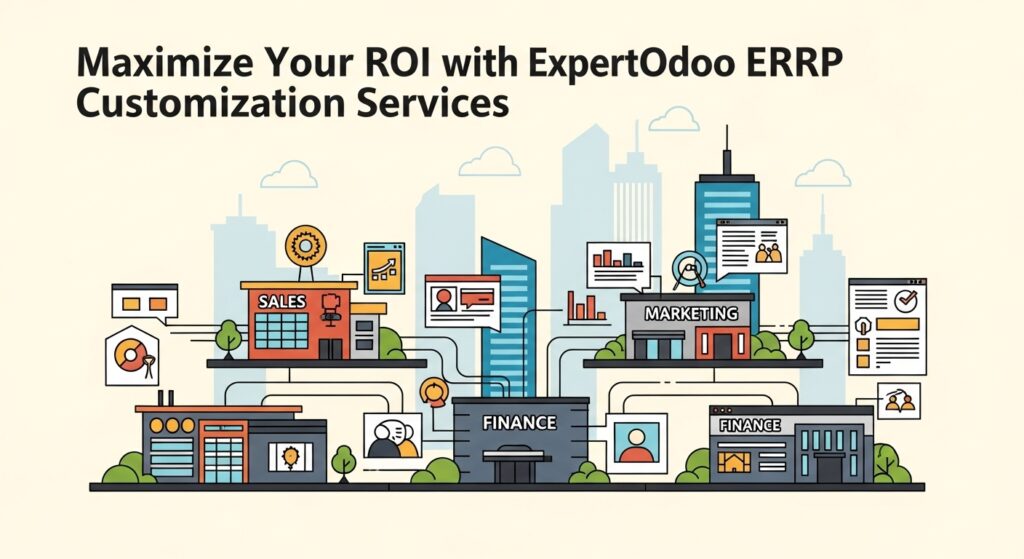
Maximize Your ROI with Expert Odoo ERP Customization Services

ERP Isn’t One-Size-Fits-All No two businesses are alike. So why should their ERP systems be? While Odoo ERP offers a robust, modular structure out of the box, real-world companies often need more than just standard functionality. That’s where Odoo ERP customization services come in—tailored solutions that ensure your ERP system fits your unique business processes, not the other way around. What Are Odoo ERP Customization Services? Customization services for Odoo ERP involve modifying and extending its standard modules or creating new ones to meet specific operational needs. This may include: By leveraging Odoo’s open-source flexibility, expert partners can turn your ERP into a competitive advantage. Key Areas That Typically Require Customization While Odoo covers most business needs, certain areas often benefit from advanced tailoring: 🖥️ User Interface (UI) & User Experience 🔁 Workflows & Business Logic 📊 Reports & Analytics These modifications don’t just streamline work—they reduce manual errors and improve decision-making. Why Work with Certified Odoo Partners Like Daysum? Odoo customization isn’t just about coding—it’s about understanding your business. That’s where certified Odoo partners like Daysum deliver real value. At Daysum, we bring: Our team ensures that every customization aligns with best practices and remains upgrade-safe for future Odoo versions. Case Study: Odoo Customization for a Saudi Retail Chain A leading retail chain in Riyadh approached Daysum with a challenge: They needed a centralized system to manage inventory across 25 stores, with custom dashboards for each store manager and real-time syncing to the main warehouse. Our solution? Result: 35% reduction in inventory holding costs and full ZATCA compliance. Tips to Avoid Over-Customization While customization is powerful, going too far can make upgrades harder and inflate costs. Here’s how to stay balanced: Support & Upgrade Considerations Customizations should never lock you into outdated software. With Daysum’s structured development approach, all changes are: We help you plan upgrades so your ERP stays future-proof. Book Your Odoo Customization Consultation Today Your business deserves an ERP system that fits—not one you have to adjust to. At Daysum, we specialize in strategic Odoo ERP customization services that empower Saudi businesses to work smarter, faster, and more efficiently. Book your free consultation today and discover how we can tailor Odoo to your exact needs.

Read more
The Future of Accounting: How E-Invoicing Transforms Business Operations

Is Odoo ERP the Right Fit for Your Business in Saudi Arabia?

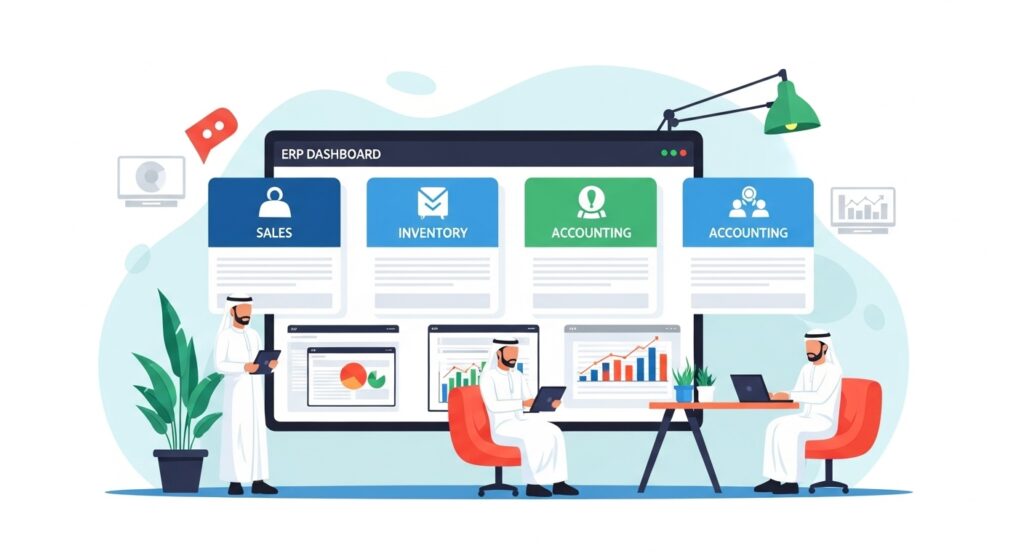
In recent years, Odoo ERP has emerged as a leading digital transformation tool for businesses across the MENA region—including Saudi Arabia. From startups to large enterprises, companies are turning to Odoo’s smart, scalable solutions to manage their operations more efficiently and cost-effectively. Its appeal? A powerful combination of modular design, open-source flexibility, and local adaptability. But is Odoo ERP the right fit for your Saudi business? Let’s break it down. What Is Odoo ERP? A Modular, All-in-One Business Suite At its core, Odoo is an open-source enterprise resource planning (ERP) platform built to grow with your business. Unlike traditional ERPs that offer rigid, all-in-one solutions, Odoo allows you to start with the apps you need and add more as your operations expand. Its modular system includes apps for: Each module integrates seamlessly with others, offering a unified platform that eliminates data silos and manual processes. Key Features That Matter for Saudi Businesses ✅ Accounting & Finance ✅ Inventory Management ✅ CRM & Sales ✅ Human Resources Open-Source Flexibility vs Traditional ERP Systems Odoo’s biggest strength lies in its open-source nature, allowing companies to: This is a game-changer when compared to legacy ERP systems like SAP or Oracle, which often require extensive custom development and long implementation cycles. Local Compliance: How Odoo Meets Saudi Regulations (ZATCA) Saudi Arabia’s move toward digital transformation, especially with ZATCA’s e-invoicing regulations, has made compliance a key priority for businesses. Odoo ERP is fully adaptable to meet these local requirements, including: When configured by the right partner, Odoo becomes a powerful tool for ensuring regulatory peace of mind in Saudi Arabia. Why Daysum Is Your Go-To Odoo Partner in Saudi Arabia At Daysum, we don’t just implement Odoo—we customize it to your unique Saudi business model. What makes us different? Whether you’re in retail, manufacturing, healthcare, or services, we help you turn Odoo into a strategic growth engine. Odoo ERP Implementation Checklist Before getting started, here’s a quick readiness checklist: Wrap-Up: Is Odoo ERP Right for You? If you’re looking for a flexible, modern, and Saudi-compliant ERP solution, Odoo ERP is a smart investment. Its open-source nature, rich feature set, and adaptability make it an excellent choice for businesses across the Kingdom. With the right implementation partner—like Daysum—you can reduce operational costs, enhance data visibility, and stay ahead of compliance requirements. 👉 Ready to explore Odoo ERP for your business? Contact Daysum for a free consultation today.

Read more
Why Odoo is the Strongest ERP System in Saudi Arabia

Why Odoo is the Strongest ERP System in Saudi Arabia

The Saudi Arabian business landscape is currently undergoing a tectonic shift. Driven by the ambitious goals of Saudi Vision 2030, the Kingdom is rapidly evolving into a global investment powerhouse and a hub for digital innovation. For enterprises operating in this dynamic environment, the ability to streamline operations, maintain strict regulatory compliance, and scale rapidly is no longer a luxury—it is a survival mandate. In this context, Odoo has emerged as the strongest and most adaptable Enterprise Resource Planning (ERP) system in Saudi Arabia. While global giants like SAP and Oracle have traditionally dominated the high-end market, and local solutions have served basic needs, Odoo occupies a unique “sweet spot.” It offers the enterprise-grade power of top-tier systems with a modularity and price point that makes it accessible to the Kingdom’s growing Small and Medium Enterprise (SME) sector. However, the true strength of Odoo in the local market isn’t just in the software itself; it lies in the ecosystem of certified partners like Daysum who tailor the platform to meet the specific legal, cultural, and operational requirements of the Saudi market. In this comprehensive guide, we will explore why Odoo is outperforming its competitors in the Kingdom, how it aligns with ZATCA’s stringent requirements, and why a professional odoo implementation saudi arabia is the catalyst your business needs to achieve its digital goals. 1. The Core Strengths: Why Odoo Dominates the KSA Market Odoo is not just a software; it is an all-in-one suite of business applications. Its rise to prominence in Saudi Arabia is attributed to several key factors that resonate deeply with the local business culture and regulatory environment. A. Modular Architecture: Pay Only for What You Use One of the most significant barriers to ERP adoption in the past was the “all-or-nothing” approach. Companies were forced to buy massive, expensive licenses for features they might not use for years. Odoo flipped this script. Its modular nature allows a business to start with a single app—perhaps Accounting or CRM—and add modules like Inventory, Manufacturing, or E-commerce as they grow. This scalability is perfect for Saudi startups and SMEs that are looking to manage their cash flow while building a robust digital foundation. B. Seamless Integration: Breaking Down Information Silos In many traditional Saudi businesses, the sales team uses one program, the warehouse uses another, and the accountants use a third. This leads to manual data entry, human error, and a lack of real-time visibility. Odoo integrates these departments seamlessly. When a sale is made, the inventory is automatically updated, a delivery order is generated, and a ZATCA-compliant invoice is created in the accounting module—all without a single duplicate entry. C. Localized Compliance: ZATCA, VAT, and Mada For any business in Saudi Arabia, compliance is non-negotiable. Odoo, especially when implemented by Daysum, is fully localized for the Saudi market. This includes: ZATCA Phase 2 (Fatoora): Absolute readiness for the integration phase of electronic invoicing. VAT Management: Automatic calculation and reporting of Value Added Tax in accordance with Saudi law. Mada & Local Payments: Integration with Saudi-specific payment gateways. Arabic UI & Hijri Calendar: A native Right-to-Left (RTL) interface and support for the Hijri calendar, ensuring that the staff feels comfortable and productive. 2. Odoo vs. The Competition: A Saudi Search Trend Analysis When Saudi business owners search for ERP solutions, they frequently compare Odoo with other major players. Based on real-world search data and market performance in 2025, here is how the top systems stack up for a typical Saudi enterprise. Competitor Comparison Table ERP System Core Strengths Weaknesses Saudi Market Fit Odoo Modular, highly affordable, ZATCA-native, huge local community. Requires a strong partner for complex customization. Top Choice: Ideal for SMEs and growth-focused firms; Vision 2030 ready. SAP Business One Extremely robust, deep analytics, global standard. High total cost of ownership, rigid setup, complex for small teams. Enterprises: Best suited for massive conglomerates with huge IT budgets. Microsoft Dynamics 365 Seamless integration with Office 365 and Azure ecosystem. Expensive licensing, can be overkill for non-MS-heavy offices. Moderate: Best for companies already fully locked into the Microsoft stack. ERPNext Open-source, strong manufacturing and retail features. User interface is less polished, smaller local partner network in KSA. Alternative: Good for companies with in-house technical teams. Elate ERP Strong local focus, specific modules for Saudi HR/Payroll. Limited scalability, less frequent global feature updates compared to Odoo. Local Entry: Good for traditional businesses with fixed, simple needs. Odoo’s leadership in the market is often attributed to its cost-effectiveness. While SAP or Oracle might require an initial investment of hundreds of thousands of riyals, an Odoo subscription remains manageable, allowing businesses to redirect their capital toward marketing and expansion. 3. The Critical Role of a Certified Partner: Why Daysum? The biggest mistake a business can make is treating an ERP project like a simple software installation. An ERP implementation is a business transformation project. According to industry statistics, over 50% of ERP implementations fail not because of the software, but because of poor planning and execution. This is where Daysum (known as ديسم in Arabic) makes the difference. A. Strategic Consulting and Process Mapping Before a single line of code is written, Daysum consultants work with you to map your existing business processes. We identify inefficiencies and design the Odoo environment to solve them. We don’t just “install” Odoo; we engineer a solution that mirrors your unique business logic. B. Professional Project Recovery: Rescuing Stalled Implementations A unique challenge in the Saudi market is the “abandoned project.” Many companies attempt to implement Odoo using freelancers or inexperienced vendors, only to have the project stall midway. Daysum specializes in project recovery. We conduct a forensic audit of the existing setup, fix technical glitches, and bring the project back on track to ensure you get the ROI you were promised. C. ZATCA Phase 2 Integration As the Kingdom moves into the Integration Phase of e-invoicing, businesses need a partner who understands the technical specifications of e invoicing zatca. Daysum ensures your Odoo system is

Read more
How Can You Prepare an Estimated Budget that Elevates Your Business?

How Can You Prepare an Estimated Budget that Elevates Your Business?

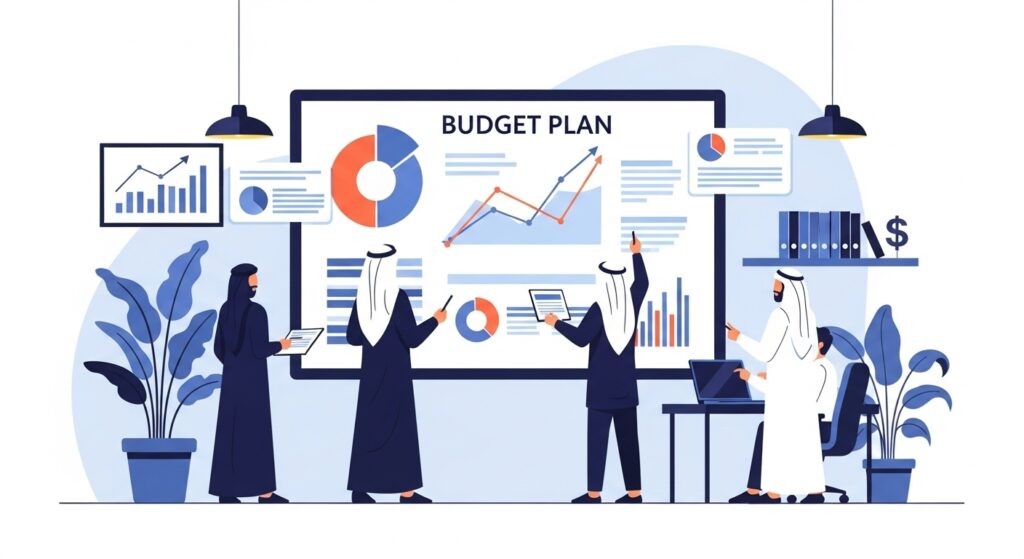
  In today’s dynamic and hyper-competitive business environment, achieving sustainable growth is no longer a matter of intuition or guesswork; it requires rigorous financial discipline and forward-looking strategies. Among the most critical tools in a chief financial officer’s arsenal is the estimated budget for sales. Preparing an accurate, flexible, and comprehensive sales budget is the foundational step toward achieving corporate excellence in a volatile market. It acts as the financial compass for the entire organization, dictating production schedules, marketing spend, and human resource allocations. Imagine having a crystal-clear roadmap that guides your enterprise toward sustainable growth by combining deep, empirical analyses of historical data with realistic, actionable future forecasts. Today, this level of precision is made possible through advanced enterprise resource planning tools such as the Daysum ERP system, which seamlessly streamlines and efficiently manages complex financial operations. Simplify your workflow and stay compliant with zatca e-invoicing from Daysum while ensuring your financial projections align with strict regulatory standards. In this comprehensive, deep-dive guide, we will take you on a practical journey that transforms market challenges into lucrative opportunities. We will equip you with the advanced strategies, methodologies, and technological tools needed to develop an estimated budget that perfectly reflects your company’s vision and ambitious commercial goals for 2026 and beyond. The Anatomy of an Estimated Sales Budget Before diving into the methodology of creation, it is vital to understand what an estimated sales budget actually represents. It is not merely a quota or a sales target; it is a meticulously calculated financial document that estimates the total sales revenue a company expects to generate within a specific future period (monthly, quarterly, or annually). The Domino Effect of the Sales Budget The sales budget is universally recognized as the “starting point” of the master corporate budget. Every other departmental budget depends entirely on the numbers projected here: Production Budget: Manufacturers cannot know how many units to produce or raw materials to order without knowing the projected sales volume. Marketing Budget: Marketing departments allocate their ad spend based on the projected revenue returns outlined in the sales budget. Human Resources Budget: Integrating your financial forecasts with cloud hrms solutions allows HR to plan for hiring seasonal staff or calculating projected sales commissions and bonuses. Relying on outdated spreadsheets to manage this cascading data often leads to disconnected departments and financial blind spots. Achieving true digital transformation requires a professional odoo implementation saudi arabia to ensure that when a sales forecast is updated, every connected department receives the data in real-time. Phase 1: Preparation, Planning, and Strategic Alignment A robust estimated budget is built on a foundation of clear strategic objectives and accurate historical data. Identifying Strategic Objectives Begin the budgeting process by setting key, measurable objectives based on your executive board’s vision and future plans. Are you aiming to increase market share by 5%? Are you planning to launch a new product line, or are you looking to achieve a specific revenue growth rate in a newly entered geographic region? These macroeconomic goals must be translated into microeconomic sales targets. Utilizing the Daysum ERP system allows management to refine these goals by generating precise analytical reports that highlight which product categories are historically the most profitable, and which regions show the highest growth potential. Collecting and Analyzing Historical Data You cannot accurately predict the future without thoroughly understanding the past. Review past sales data and analyze seasonal trends, market disruptions, and competitor influences. In a traditional setup, gathering this data takes weeks of consolidating spreadsheets from various branches. Utilizing Daysum ERP at this stage is crucial. The system instantly processes millions of data points, filtering out anomalies (such as a one-time massive corporate order that skews the average) and laying a solid, mathematically sound foundation for your estimated budget. Phase 2: Establishing Assumptions and Market Estimates Once you have your historical data, you must apply “assumptions.” Assumptions are the variable factors that will influence your future sales performance. Defining Economic and Market Assumptions You must determine the external and internal factors that will underpin your estimates. Key assumptions to consider include: Macro-Economic Trends: Inflation rates, changes in interest rates, or shifts in consumer purchasing power. Regulatory Changes: Implementation of new taxes or compliance mandates. For instance, utilizing advanced e invoicing software saudi arabia ensures that your pricing and revenue assumptions accurately account for VAT and ZATCA Phase 2 compliance costs. Industry-Specific Trends: Are there new competitors entering the market? Is there a technological shift disrupting your product line? Internal Capacity: Do you have the logistical capacity to support a 20% increase in sales volume? Linking these external market assumptions with the internal historical data housed within Daysum enhances forecast accuracy and transforms a “guess” into a highly reliable estimated budget. Estimating Future Sales Volume Using the combined power of your historical data and your established market assumptions, estimate the anticipated sales volume for the upcoming period. It is highly recommended to break this down granularly: by product line, by sales territory, and by individual sales representative. Daysum’s predictive analytics provide precise, AI-driven predictions that are essential for crafting a resilient budget. Phase 3: Developing the Budget Model The framework in which you build your budget dictates its usability. While many companies still start with Excel, modern enterprises use ERP systems to design dynamic financial models. Designing the Financial Model Whether transitioning from Excel or working directly within Daysum ERP to streamline data entry, your financial model must be structured logically. A comprehensive model should include dedicated modules for: Time Periods: Monthly, quarterly, and annual breakdowns. Unit Volume: The physical number of items or services expected to be sold. Pricing Structures: Expected average selling prices, including anticipated discount strategies or wholesale tier pricing. Seasonal Adjustments: Modifiers for period-specific factors (e.g., a 30% multiplier for retail sales during the holiday season). This model serves as the structural framework for your estimated budget and ensures that all relevant financial data is organized effectively and is easily readable by stakeholders. Seamless Data Entry and

Read more
Why do the largest companies use a specialized cloud system to manage gold and jewelry stores

Why do the largest companies use a specialized cloud system to manage gold and jewelry stores?

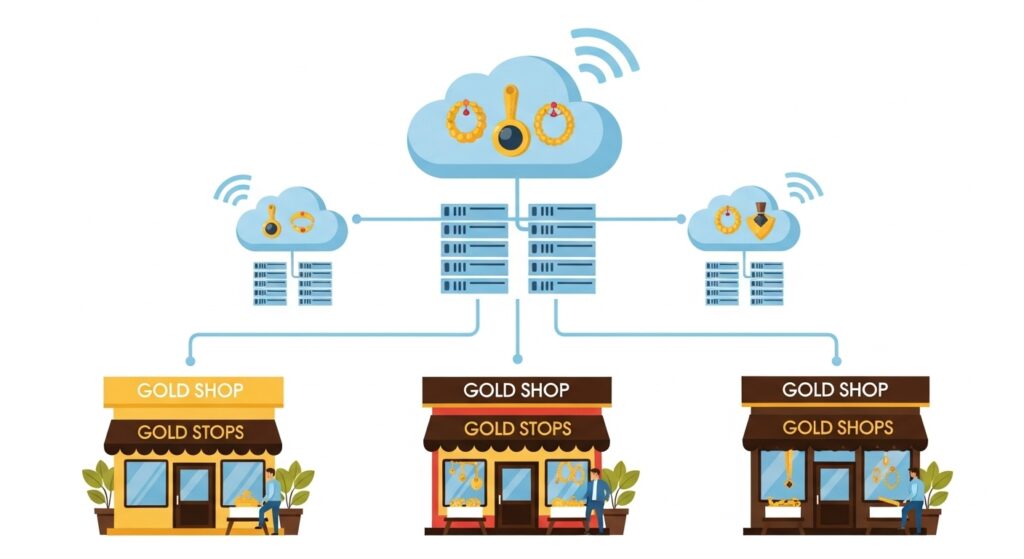
The gold and jewelry market in the Kingdom of Saudi Arabia is characterized by its rich heritage, massive consumer demand, and highly dynamic operational environment. As the gold market develops rapidly and global commodity prices change instantly, every minute that passes without a specialized gold and jewelry store management system means a loss of accurate data and a missed opportunity to update your business. If you do not make the strategic move now, you will find yourself lagging behind forward-thinking competitors who have already embraced digital transformation. It is time to secure your business and elevate your management practices. Do not let your opportunity miss out on a specialist system designed explicitly for managing gold, jewelry, and experimental shops. By moving away from generic accounting tools and adopting industry-specific cloud platforms like Daysum, large Saudi enterprises are revolutionizing their operations. These tools outperform generic ERPs by offering tailored features that drive efficiency and compliance in a high-value, fast-changing market. Take control of your billing process with an electronic invoice KSA solution tailored specifically for your business needs. In this comprehensive guide, we will explore why the largest jewelry chains in Saudi Arabia are migrating to specialized cloud systems, detailing the critical features, regulatory compliance standards, and competitive advantages that platforms like Daysum bring to the table. Comprehensive and Accurate Operations Management Running a jewelry business involves complexities that standard retail businesses never encounter. You are not simply selling fixed-price items; you are dealing with fluctuating raw material costs, intricate making charges, varying gemstone values, and complex vendor relationships. The Daysum system allows integrated, comprehensive management of all aspects of your business from a centralized, cloud-based dashboard. This unified approach bridges the gap between accurate financial accounts, instant inventory updates, and smooth electronic invoicing. When your sales team, inventory managers, and accountants are all working from the same real-time data pool, communication breakdowns vanish. These synchronized functions contribute directly to reducing manual errors and saving hundreds of hours of administrative time, allowing you and your team to focus strictly on the growth of your business, customer acquisition, and strategic expansion. By utilizing a dedicated gold erp, large Saudi retailers can seamlessly track the entire lifecycle of a piece of jewelry—from the moment it is acquired from a wholesale vendor, through the display and pricing phases, all the way to the final consumer sale and subsequent after-sales services. Real-Time Gold Price Updates and Market Closing (Taskeer) Perhaps the most critical vulnerability for any jeweler is the volatility of global gold prices. A sudden spike or drop in the market can instantly turn a profitable transaction into a severe loss if your point-of-sale system is not synchronized with real-time data. The Power of Live Pricing Integration Specialized systems like Daysum automatically update gold prices multiple times a day, pulling live data directly from global commodity exchanges. With the Daysum system for managing gold and jewelry stores, gold prices are dynamically adjusted across your entire inventory network. The “Taskeer” (Closing) Mechanism A unique and vital requirement in the Saudi gold market is the concept of “Taskeer” or fixing the price. When a customer agrees to a purchase, the system provides the option to fix the price instantly, matching Saudi market closings for accurate sales and total loss prevention. This provides your sales staff with live, unshakeable data for making quick and accurate decisions on the shop floor. This critical feature helps avoid the devastating financial losses resulting from rapid, unpredictable changes in the gold market. While some competitors like Torcap offer varying degrees of pricing features, Daysum ensures that the live feed and the price-fixing mechanism are seamlessly integrated into the checkout workflow, ensuring jewelers make instant, profitable decisions amid rapid fluctuations. Full Compliance with Regulatory Requirements and ZATCA In Saudi Arabia, the regulatory landscape for high-value goods is stringent. The Zakat, Tax and Customs Authority (ZATCA) has implemented comprehensive e-invoicing mandates that all businesses must follow. However, for jewelers, calculating Value Added Tax (VAT) is highly complex, as the tax must often be calculated on the “making charge” rather than the raw investment gold, depending on the specific nature of the transaction. Automated E-Invoicing and Cryptographic Security The specialized Daysum system for managing gold stores ensures full, automated compliance with the requirements of ZATCA. By automatically issuing compliant electronic invoices that seamlessly integrate QR codes and UUID (Universally Unique Identifier) codes, Daysum removes the compliance burden from your staff. Full integration with Zakat, Tax and Customs Authority rules prevents massive financial fines—which is absolutely essential for all major players in the market. While competitors like SUNFACET and Synergics emphasize seamless regulatory adherence, Daysum takes it a step further by offering continuous, over-the-air cloud updates to keep pace with any new regulatory changes or Phase 2 integration requirements. This proactive approach protects your enterprise from fines, operational shutdowns, and legal penalties. Furthermore, having a reliable e invoicing zatca integration ensures that your end-of-day reporting and quarterly tax filings are generated with mathematical perfection. Unmatched Inventory Precision: Weight, Karat, and RFID Standard retail software counts inventory in whole units. A jewelry business, however, tracks inventory by grams, milligrams, purity, and karat. A minor discrepancy in weight recording can result in thousands of Riyals in lost revenue. Tracking the Details that Matter Cloud platforms like Daysum are engineered to track multi-location stock by exact purity, weight, and custom barcodes or QR labels. This granular level of tracking drastically reduces shrinkage and internal theft in high-value items. Unlike broad, generic ERPs, Daysum handles gold-specific financial metrics, including FIFO (First-In, First-Out) costing for raw materials, karat deductions, and scrap gold exchanges. The Role of Advanced Hardware Integration Modern Saudi jewelry chains utilize advanced hardware to maintain inventory accuracy. Daysum integrates directly with precision electronic scales, instantly transmitting the exact weight of a gold chain to the invoice without manual typing. Furthermore, Daysum supports RFID (Radio Frequency Identification) technology. Instead of spending days conducting manual stock takes, your staff can use RFID scanners to instantly audit hundreds of

Read more
Odoo project has stopped ? With Daysum your project is completing

Odoo project has stopped ? With Daysum your project is completing

In today’s hyper-accelerated digital landscape, an Enterprise Resource Planning (ERP) system is no longer a luxury; it is the absolute central nervous system of any growing enterprise. For companies operating within the Kingdom of Saudi Arabia, aligning with the ambitious modernization goals of Vision 2030 requires flawless, automated, and highly scalable business processes. Among the myriad of platforms available globally, Odoo has emerged as a premier choice due to its open-source flexibility, extensive modularity, and comprehensive application ecosystem. However, the path to seamless digital transformation is rarely without its severe hurdles. What happens when your monumental ERP investment grinds to a sudden halt? Whether your stalled implementation is the result of catastrophic technical glitches, poorly coded third-party integrations, a severe lack of localized customization, or an implementation partner who simply abandoned the project, a failed ERP rollout is a commercial nightmare. Odoo projects that stall or fail completely can cost Saudi firms millions of Riyals in operational delays, paralyzed productivity, and devastating regulatory fines. This exact crisis scenario is where Daysum Information Technology steps in. Recognized as the leading Saudi enterprise in reviving stalled and failing Odoo projects, Daysum offers highly tailored rescue operations, free initial gap-analysis consultations, and a professional recovery team. If your project has stalled, do not panic. By securing professional odoo implementation saudi arabia rescue services through Daysum, you can restore your system’s efficiency and seamlessly meet all your strategic business needs. In this exhaustive, definitive guide, we will dissect the root causes behind Odoo project failures, evaluate how to select the ultimate rescue partner, and illustrate exactly how Daysum transforms stalled disasters into triumphant, highly profitable operational assets. 1. Common Odoo Failure Causes: Why Do Projects Stall? It is a harsh industry reality that ERP projects, including those built on Odoo, experience a failure or severe stalling rate of 30% to 50% globally. In the Saudi market, these failures are incredibly costly. Understanding exactly what causes your Odoo program to fail is the critical first step toward engineering a successful revival. The Dangers of Inadequate Local Expertise and ZATCA Non-Compliance A primary and highly destructive reason for project failure is partnering with international or generic implementation teams that possess basic programming skills but completely lack Saudi-specific business expertise. The Saudi commercial landscape is heavily regulated. A generic Odoo setup will immediately face ZATCA (Zakat, Tax and Customs Authority) non-compliance issues. The Saudi government demands highly specific electronic invoicing protocols under Phase 1 and Phase 2 regulations. Implementers who do not understand local tax mapping, Arabic invoicing requirements, or the complex cryptographic stamping processes (CSID) will inevitably deliver a system that is legally unusable. This causes the entire project to halt as management refuses to go live and risk massive government fines. Securing proper e invoicing saudi arabia compliance is not just a feature; it is a legal imperative that generic developers constantly fail to deliver. Unclear Requirements and Rushed Rollouts Industry statistics reveal that up to 65% of Odoo implementation failures trace directly back to unclear business requirements, poor initial process analysis, or aggressively rushed rollouts. When an implementation partner fails to thoroughly map out a company’s specific, nuanced workflows—such as unique manufacturing routing, complex wholesale discounting rules, or multi-warehouse logistics—they end up forcing the business to adapt to standard, rigid Odoo modules. This misalignment frustrates employees, paralyzes daily operations, and ultimately forces management to suspend the rollout. Performance Bottlenecks and Integration Gaps Modern enterprises do not use a single software application; they require a breathing, interconnected ecosystem. A lack of technical expertise in integrating Odoo with legacy accounting systems, third-party logistics (3PL) providers, or local payment gateways (like Mada or STC Pay) leads to severe data silos. Furthermore, poor server architecture and unoptimized custom Python code lead to catastrophic performance bottlenecks. If the system takes minutes to load a simple sales order or crashes during peak hours, productivity plummets, operational costs increase, and the project is abandoned by frustrated users. 2. Choosing the Right Rescue Partner to Fulfill Your Company’s Requirements When your Odoo project stalls, your next decision is the most critical one you will make. You cannot afford to hire another inexperienced vendor or a freelance developer promising cheap fixes. You require a highly specialized “rescue partner” capable of forensically analyzing broken code, untangling messy PostgreSQL databases, and realigning the software with your corporate objectives. The Importance of Certified Learning Partners Look exclusively for companies that combine proven, documented experience in rescuing Odoo projects with official software certifications. Odoo Learning Partners possess an in-depth, verified understanding of the system’s underlying infrastructure. Furthermore, a local Saudi support team is an absolute non-negotiable requirement. Having an Arabic-speaking technical team on the ground that intuitively understands the local market’s needs, consumer behaviors, and labor laws drastically reduces communication friction and cuts issue resolution time by over 40%. Partner Comparison: Who Can Rescue Your System? To make an informed, data-driven decision, let us objectively compare the leading entities in the Saudi market that handle Odoo implementations and complex rescues: Partner Name Project Revival Success Rate ZATCA Phase 2 Compliance 24/7 Local Arabic Support Core Industry Specialties Daysum 95% Revival Success Fully Certified & Native Yes (Dedicated Local Team) Complex ERP, Gold/Jewelry, Retail Perfect Tech High Full Compliance Yes Heavy Construction & Basic AI OdooManics Good (Generalist) Compliant Limited (Often outsourced) Basic Manufacturing & Trading Machinser Medium Basic Integration Yes Generic bug fixes & small retail As the evaluation matrix clearly illustrates, while competitors like Perfect Tech and OdooManics offer competent services for specific niches like construction or basic trading, Daysum stands in an elite category of its own. Daysum uniquely excels in reviving highly complex, stalled enterprise projects, particularly in highly regulated sectors requiring absolute mathematical precision, such as the retail erp saudi arabia sector, precious metals trading, and large-scale manufacturing. 3. What Sets Daysum Information Technology Apart? In a crowded, noisy IT sector, merely claiming to fix software is insufficient. Daysum has engineered a specialized rescue division dedicated entirely to salvaging failed ERP investments.

Read more
Is Desktop Applications cheaper than Cloud-Based

Is Desktop Applications cheaper than Cloud-Based?!

The business landscape in the Kingdom of Saudi Arabia is undergoing a massive, unprecedented digital revolution. Driven by the ambitious goals of Saudi Vision 2030 and the strict regulatory frameworks implemented by the Zakat, Tax and Customs Authority (ZATCA), local businesses are being forced to modernize their financial and operational infrastructures. In this era of rapid digitization, one of the most critical decisions a business owner or IT director will make is choosing the right foundational software architecture. For decades, the standard approach was to purchase a desktop-based application—an on-premise software installed directly onto local office computers or in-house servers. Today, however, the paradigm has shifted dramatically toward cloud computing. Recent market data reveals that 75% of businesses locally have already adopted or are in the process of adopting cloud technologies. Yet, a persistent myth remains among some traditional business owners: the belief that paying a one-time fee for a desktop application is ultimately cheaper than paying a recurring subscription for a cloud-based system. This comprehensive guide will thoroughly debunk that myth. By analyzing the Total Cost of Ownership (TCO), scalability, security, and compliance requirements, we will demonstrate how a cloud-based ERP like Daysum saves Saudi Small and Medium Enterprises (SMEs) between 40% and 60% in the long term compared to legacy desktop systems. With no upfront hardware costs, automatic ZATCA compliance updates, and fully included technical support, the cloud is not just the more advanced option—it is significantly more cost-effective. The Financial Cost: Uncovering the “One-Time Payment” Trap The most common argument in favor of desktop applications is the illusion of the one-time purchase. A business owner sees a price tag for a perpetual software license and assumes their software expenses are settled for the next decade. However, evaluating business software requires looking at the Total Cost of Ownership (TCO) over a multi-year period. The Hidden Costs of On-Premise Desktop Systems When you purchase a desktop application, the initial software license is merely the tip of the iceberg. A standard enterprise-grade desktop license in Saudi Arabia typically demands an upfront investment of SAR 5,000 or more per device. However, the software cannot run in a vacuum. You must purchase dedicated, high-performance local servers to host the database, which can easily cost tens of thousands of Riyals. Furthermore, desktop software providers usually charge mandatory annual maintenance fees—often around SAR 2,000 per year—just to keep the software functioning and to retain access to basic support. Additionally, managing local servers requires hiring dedicated IT personnel, paying for the electricity to cool the server room 24/7, and purchasing expensive physical backup drives. When you factor in the rising costs of maintaining an on-premise system that complies with modern electronic invoice ksa mandates, the financial burden becomes overwhelming for a growing SME. The Daysum Cloud Financial Advantage In stark contrast, Daysum operates on a Software as a Service (SaaS) model. There are no surprise costs, no hardware investments, and no expensive server maintenance fees. Daysum offers an all-inclusive, highly powerful cloud ERP starting at just SAR 750 per year. This transparent subscription covers the software, the cloud hosting, daily backups, automated security, and 24/7 technical support. By eliminating the need for server purchases, IT maintenance payroll, and expensive localized hardware upgrades, transitioning to a cloud ERP cuts the total cost of ownership by 30% to 35% over a five-year period. For a Saudi SME, preserving this capital means more money can be injected directly into marketing, inventory, and business expansion. The Update Process: Keeping Pace with ZATCA Regulations In the modern Saudi economy, software updates are no longer just about getting new features; they are a strict legal requirement. ZATCA is continuously rolling out new phases of its e-invoicing mandate, requiring businesses to dynamically connect their invoicing systems to the government’s FATOORA portal. The Agony of Desktop Upgrades Updating a desktop application to meet new government mandates is a notoriously painful process. It requires manual intervention, often necessitating an IT specialist to visit your office to install the new patches on every single computer. Historically, major desktop ERP upgrades can take an average of 3 months to fully deploy across an organization, causing massive operational downtime. Furthermore, these major compliance upgrades are rarely free; legacy software vendors frequently force users to pay for the “new version” of the software to remain legally compliant. Instant Compliance in the Cloud Daysum eliminates update anxiety entirely. Because the software is hosted in the cloud, updates are pushed automatically to the central servers without any user intervention or business downtime. As ZATCA rolls out Phase 2 integration requirements—which dictate that XML invoices must be instantly cleared or reported to the government—Daysum updates its core infrastructure behind the scenes. When your employees log in the next morning, the system is already 100% compliant with the latest laws. There are no installation disks, no IT visits, and no additional upgrade fees. It is no surprise that 93% of modern enterprises prefer cloud solutions precisely because of this seamless, stress-free approach to zatca e-invoicing compliance. Technical Support: Remote Resolution vs. Costly Onsite Visits When your billing system goes down, your business effectively stops making money. The speed and quality of technical support directly impact your bottom line. Desktop Support Limitations Technical support for desktop applications is fundamentally flawed. Because the software lives on your local hardware, diagnosing a complex database error often requires a technician to physically travel to your office. These onsite visits are highly disruptive and incredibly expensive, often costing upwards of SAR 1,000 per visit in Saudi Arabia. Even if the issue can be handled remotely, legacy providers typically restrict their support to standard business hours, leaving you stranded if your retail store encounters a critical system failure during a busy weekend evening. Daysum’s 24/7 Cloud Support With Daysum’s cloud ERP, the technical support paradigm is completely transformed. Because your database is securely hosted on Daysum’s servers, their engineering team can diagnose and resolve 80% of technical issues remotely and instantaneously. Daysum provides 24/7 support via live

Read more
top
Business Challenges

Digital Transformation

Security

Automation

Gaining Efficiency