The corporate landscape across the Kingdom of Saudi Arabia is undergoing a massive operational transformation. Driven by national digitization initiatives and a highly competitive economic environment, businesses are aggressively moving away from fragmented, manual human resources processes. Relying on paper timesheets, standalone punch clocks, or localized desktop software is no longer a viable strategy for companies aiming for high performance.
Instead, organizations are migrating their core HR infrastructure to web-based platforms. Implementing a reliable time attendance system in Saudi Arabia has become a fundamental operational requirement to ensure accuracy, transparency, and legal compliance. By moving to a centralized digital environment, decision-makers are discovering new ways to optimize their workforce, reduce administrative overhead, and gain total visibility into daily operations across multiple branches and remote job sites.
What Are the Core Advantages of Cloud-Based Time Tracking?
The decision to migrate from on-premise hardware to a Software-as-a-Service (SaaS) model is driven by several tangible business advantages. Examining the benefits of cloud-based attendance solutions in Saudi Arabia reveals a clear return on investment, particularly for growing enterprises that need agile infrastructure.
1. Unlimited Scalability for Business Growth
Traditional systems require physical server upgrades, complex software licensing, and IT interventions every time a company opens a new branch or hires a large batch of employees. Cloud platforms eliminate this friction completely.
- Seamless Expansion: Whether you are managing 50 employees in a single Riyadh office or 5,000 workers distributed across construction sites in Dammam and Jeddah, the system scales instantly.
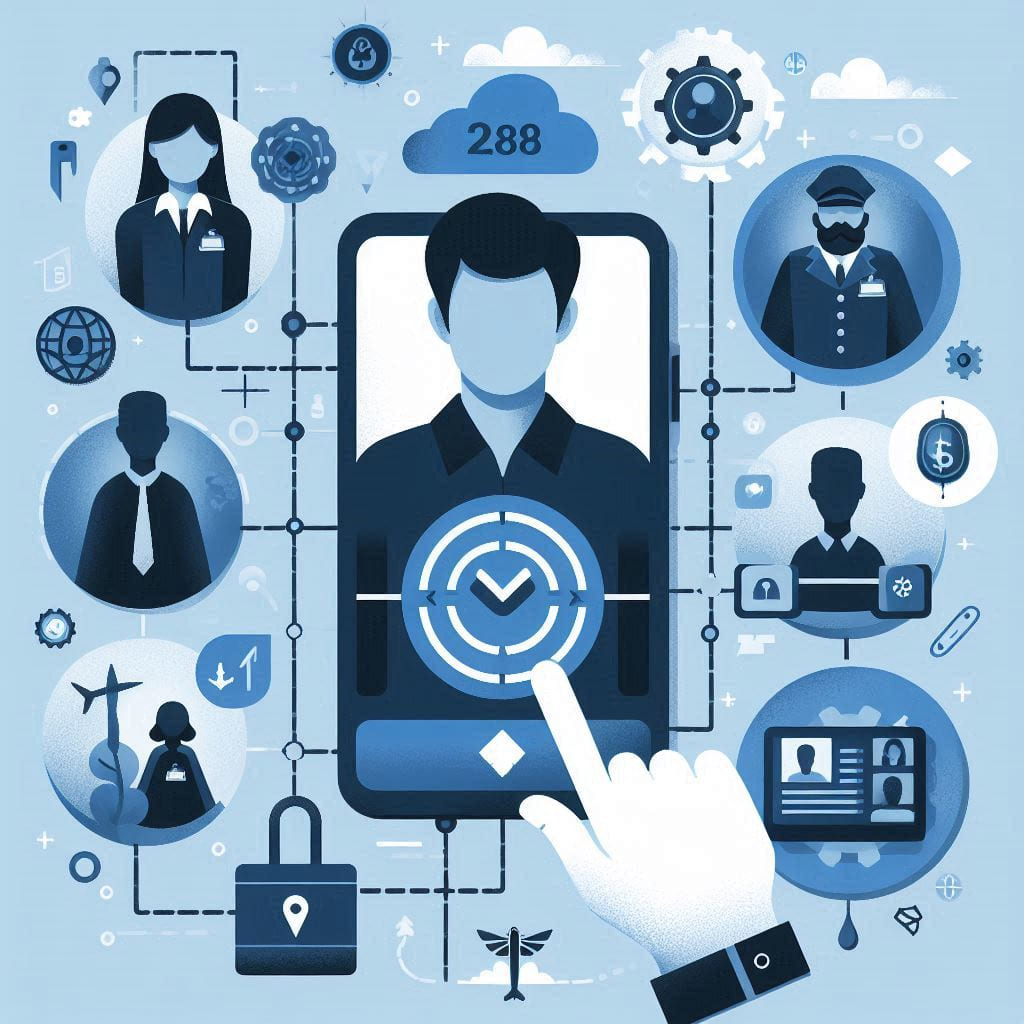
- Instant Deployment: Adding a new location simply requires setting up a tablet, a biometric reader, or simply activating geofencing rules for mobile users, connecting them immediately to the central database.
2. Universal Accessibility and Remote Management
The modern workforce is highly mobile. Sales representatives, maintenance crews, and regional managers rarely stay at a single desk. Cloud architecture ensures that critical workforce data is not trapped on a local hard drive.
- Managers can approve timesheets, review absence requests, and monitor late arrivals from their smartphones while traveling.
- Employees can check their working hours, request vacation days, or view their shift schedules from home without needing to contact the HR department.
3. Significant Cost Savings and Resource Allocation
Purchasing traditional HR software involves heavy capital expenditure (CapEx), including servers, cooling infrastructure, physical security, and a dedicated IT support team to manage updates and backups.
- Shift to OpEx: Cloud systems operate on an operational expenditure (OpEx) model, usually a monthly or annual subscription based on the number of active users.
- Zero Maintenance: The software provider handles all server maintenance, feature updates, and technical troubleshooting, freeing your internal IT team to focus on strategic business initiatives.
4. Enterprise-Grade Security and Data Integrity
Many business owners mistakenly believe that local servers are safer than the cloud. In reality, physical servers are highly vulnerable to hardware failure, natural disasters, localized power surges, and targeted malware.
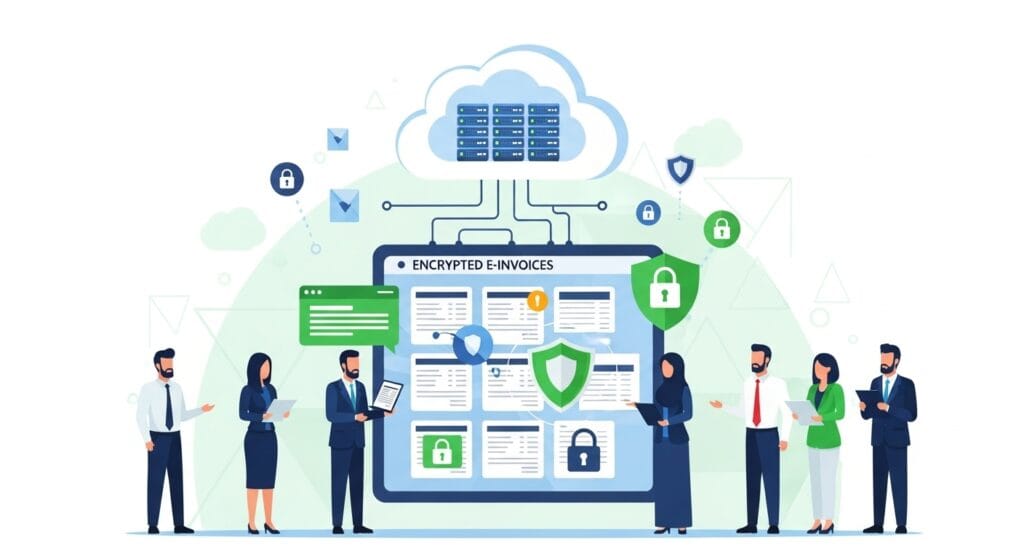
Reputable cloud HR providers invest heavily in military-grade encryption and comply with stringent global security standards. When selecting a provider, organizations should look for platforms that strictly adhere to ISO 27001 (Information Security Management) and SOC 2 compliance, ensuring that sensitive employee data, financial records, and operational metrics are protected against unauthorized access and data breaches.
Transforming Human Resources Operations
The ripple effects of upgrading to a digital workforce management system are felt most strongly within the human resources department. By automating tedious administrative tasks, HR professionals can transition from data entry clerks to strategic business partners.
Eradicating Manual Errors and Payroll Discrepancies
Manual timekeeping is notoriously flawed. Handwriting is often illegible, paper cards can be lost, and the process of manually transferring hours into a spreadsheet is highly prone to typographical errors. Furthermore, legacy systems are vulnerable to “buddy punching,” where one employee clocks in for an absent colleague.
By utilizing secure, centralized tracking—often paired with biometric hardware or mobile verification—companies guarantee that the data entering the payroll pipeline is pristine. Understanding the importance of attendance integration with payroll systems is crucial for financial accuracy. When the time-tracking module feeds directly into the financial software, companies eliminate overpayments, reduce wage theft, and ensure that every riyal paid is exactly what was earned.
Utilizing Real-Time Tracking for Proactive Management
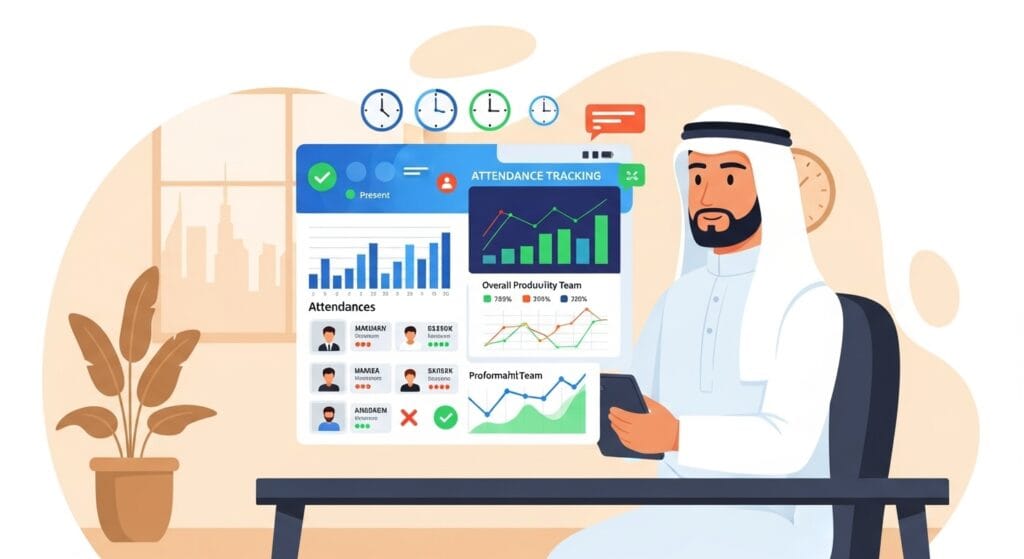
Reviewing attendance data at the end of the month is a reactive strategy that does little to improve daily operations. Cloud platforms provide live dashboards that reflect reality as it happens.
- Shift Coverage: A retail manager can immediately see if the morning cashier has not clocked in, allowing them to instantly call a replacement before the store opens.
- Overtime Alerts: Supervisors receive automated notifications when an employee is approaching their maximum weekly hours, preventing unauthorized overtime expenses.
Leveraging Data Analytics for Strategic Decisions
A digital system acts as a massive data repository. Over time, it collects millions of data points regarding employee behavior, departmental efficiency, and labor costs. Advanced platforms process this raw data to uncover actionable insights.
HR leaders can identify patterns such as specific departments with unusually high absenteeism on Thursdays, or pinpoint branches where labor costs consistently exceed the generated revenue. This level of analytical depth enables the executive team to restructure shifts, address underlying management issues, and optimize the overall labor budget.
Essential Features to Look For in a Modern Platform
Not all software solutions are created equal. When evaluating options in the market, companies must look past basic clock-in/clock-out functionality and demand features that genuinely optimize their daily workflows.
Here is a breakdown of the core technical features and their direct business benefits:
|
Technical Feature |
Direct Business Benefit |
Application Scenario |
|
Mobile Applications |
Remote Clock-in & Self-Service |
Allows field technicians and sales teams to log their hours without returning to the main office. |
|
Geofencing Technology |
Location Verification |
Prevents fraud by ensuring an employee can only clock in via their phone if they are physically within a pre-defined GPS perimeter (e.g., a specific construction site). |
|
Automated Overtime Engine |
Strict Labor Law Compliance |
Automatically categorizes regular hours, weekend shifts, and public holidays, applying the correct multiplier for payroll processing. |
|
API & ERP Integrations |
Unified Business Operations |
Connects attendance data directly with accounting software, performance management tools, and final payroll disbursement systems. |
|
Customizable Shift Scheduling |
Operational Flexibility |
Enables managers to create complex, rotating shift patterns for hospitals, factories, or 24/7 customer support centers. |
Having a robust system that handles these variables automatically is the only way to effectively calculate overtime and leave according to Saudi labor laws. The Ministry of Human Resources and Social Development (MHRSD) maintains strict guidelines regarding working hours, rest periods, and financial compensation. An automated engine ensures that the company remains 100% compliant, protecting the business from labor disputes and financial penalties.
Furthermore, these features are designed to empower the workforce. Giving employees direct access to their own data through a dedicated portal or app can drastically help reduce the burden on HR management. Instead of answering dozens of emails asking about remaining vacation balances or confirming shift times, HR staff can rely on the system to provide this information instantly to the employee.
How Do Leading Systems Compare in the Saudi Market?
The software market in Saudi Arabia is rich with options, ranging from basic regional tools to highly sophisticated enterprise resource planning platforms. Selecting the right vendor depends entirely on the specific operational needs of the company, the size of the workforce, and the physical environment of the job sites.
1. Daysum: The Integrated Powerhouse
For organizations looking for a comprehensive, all-in-one solution, Daysum stands out as the premier choice. It is not just an attendance tracker; it is a fully integrated ERP environment.
- Key Strength: Superior GPS and mobile integration combined with flawless financial syncing. Daysum allows companies to manage remote workers with precise geofencing while simultaneously feeding that data into a localized, Zatca-compliant accounting and payroll module. It bridges the gap between operations on the ground and the finance department in the headquarters.
2. Mago: Specialized Biometric Focus
Some work environments, such as heavy manufacturing facilities or strict clean rooms in the pharmaceutical sector, require specialized hardware.
- Key Strength: Mago focuses heavily on facial recognition technology and contactless entry. While highly effective for specific access-control scenarios, companies utilizing such systems must ensure the software backend can properly digest and report the data. For those looking to upgrade their physical terminals, reading a comprehensive guide to biometric attendance systems in Saudi companies helps clarify how these devices integrate with cloud servers.
3. Ojoor: Modular Flexibility
Startups and smaller agencies often require systems that can adapt rapidly to changing business models without overwhelming them with unnecessary enterprise features.
- Key Strength: Ojoor provides highly flexible deployment options, allowing small businesses to pick and choose specific modules. It serves as a good entry-level cloud system for companies moving away from spreadsheets for the very first time.
Ultimately, the goal is to choose a partner that not only solves today’s time-tracking chaos but is robust enough to handle the company’s growth over the next decade. Modernizing human resources is a critical step in building a resilient, transparent, and highly efficient organization capable of competing in a fast-paced economy.
Frequently Asked Questions
Yes, leading software providers ensure that their systems comply with local data protection laws. Top-tier platforms utilize secure servers located within the Kingdom or utilize highly encrypted international data centers that meet the strict regulatory requirements of the Saudi government regarding employee data privacy.
Modern cloud systems are designed with offline capabilities. If a biometric machine or a dedicated tablet loses its internet connection, it will continue to record clock-ins and clock-outs locally on its internal memory. The moment the internet connection is restored, the device will automatically sync all stored data to the cloud database without any data loss.
Absolutely. Advanced scheduling modules allow administrators to build highly complex shift patterns, including night shifts that cross over midnight, split shifts, and rotating weekly rosters. The system automatically aligns the employee's clock-in time with their assigned shift to accurately calculate late arrivals or early departures.
Geofencing uses the GPS capabilities of the employee's smartphone. The HR manager draws a virtual boundary (for example, a 100-meter radius) around a specific client site on a digital map. The employee can only successfully register their attendance via the mobile app if their phone's GPS confirms they are physically standing inside that designated boundary.
The implementation timeline varies depending on the size of the company and the complexity of the payroll rules. However, for a mid-sized enterprise, a standard deployment—including software configuration, employee database uploading, hardware installation (if necessary), and staff training—can typically be completed within 2 to 4 weeks.