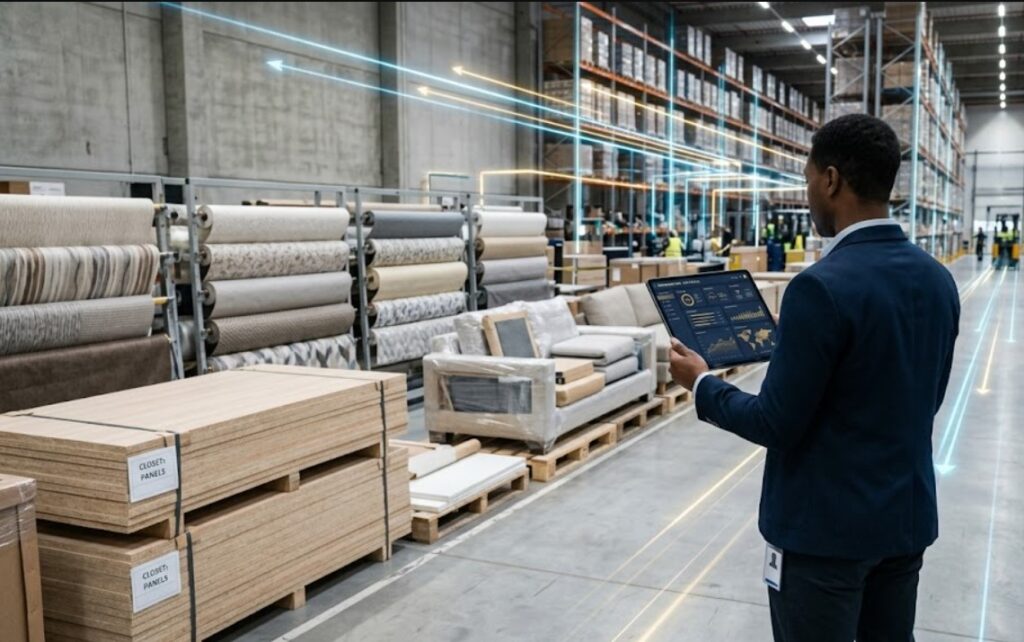
The furniture retail industry in Saudi Arabia is highly competitive, driven by a growing population, increasing urbanization, and a strong cultural emphasis on hospitality and home aesthetics. Running a successful furniture store requires far more than simply placing beautiful sofas in a showroom and waiting for customers to walk through the door. It demands a rigorous, highly synchronized approach to operations.
Effective furniture store management is a complex juggling act. It requires balancing the physical logistics of bulky inventory with the nuanced psychology of high-ticket retail sales. A single misstep—whether it is a delayed customer order, a stockout of a popular dining set, or a miscalculated discount—can severely impact profitability and brand reputation. To thrive in this dynamic sector, store owners must implement professional, data-driven systems. This comprehensive guide will explore the essential strategies for mastering inventory management, optimizing the sales workflow, delivering exceptional customer service, and utilizing advanced reporting to ensure long-term business growth.
1. Mastering Furniture Inventory Management
The backbone of any retail operation is its inventory. However, unlike selling clothing or small electronics, furniture retail deals with massive, fragile, and highly expensive items. If your inventory is disorganized, your entire business will suffer from bottlenecks.
The Challenge of Furniture Logistics
Furniture takes up significant physical space. A disorganized warehouse leads to damaged goods, lost items, and inefficient loading times. Furthermore, furniture trends change seasonally. Overstocking a specific style of bedroom set ties up vital corporate financials in illiquid assets. Conversely, understocking popular items leads to lost sales and frustrated customers who refuse to wait weeks for backorders.
Implementing Stock Control Systems
Professional inventory management requires moving away from manual ledgers and basic spreadsheets. To maintain accurate stock control, a furniture store must implement a robust digital tracking system.
When a shipment arrives, every single item—from a massive sectional sofa to a small side table—should be assigned a unique Stock Keeping Unit (SKU) barcode. This barcode must track not only the item type but also specific variations like fabric color, wood finish, and dimensions. By scanning these items into a centralized ERP system, warehouse managers have real-time visibility into exactly what is in stock, what is currently on the showroom floor, and what is reserved for pending customer deliveries.
Inventory Management Strategies for Furniture Retail
To optimize your warehouse and showroom, implement the following categorized strategies.
| Inventory Challenge | Traditional Approach (Inefficient) | Professional Management Strategy |
|---|---|---|
| Space Utilization | Stacking items randomly wherever they fit. | Implementing a digital bin-location system mapping exact warehouse coordinates. |
| Stock Accuracy | Relying on physical counts once a year. | Utilizing barcode scanners for real-time tracking of every received and sold item. |
| Trend Forecasting | Guessing based on the owner’s intuition. | Analyzing historical sales data via ERP reports to predict seasonal demand. |
| Damage Control | Discovering damaged goods during customer delivery. | Mandating a strict QA (Quality Assurance) digital checklist upon warehouse receiving. |
| Showroom Turnover | Leaving stagnant pieces on the floor indefinitely. | Rotating displays based on “days on floor” metrics to keep the showroom fresh. |
2. Optimizing the Showroom and Sales Workflow
The physical showroom is the theater where the sale happens. How you manage this space and how your sales team interacts with customers directly dictates your conversion rate. High-ticket items like furniture require a consultative, trust-based sales workflow.
Strategic Showroom Management
A professional showroom is meticulously curated. Furniture should not be lined up like warehouse stock; it must be staged in “lifestyle vignettes.” When a customer sees a sofa perfectly paired with a rug, a coffee table, and lighting, they are more likely to purchase the entire room concept rather than a single piece.
However, showroom management also requires digital integration. Sales representatives should never have to leave the customer’s side to check if a specific dining table is available in the warehouse. By equipping the sales team with tablets connected to the store’s inventory system, they can instantly verify stock levels, check available color variations, and confirm estimated delivery dates while maintaining active engagement with the buyer.
Streamlining the Sales Process
The process of closing a furniture sale involves multiple touchpoints: initial consultation, product selection, price negotiation, deposit collection, and delivery scheduling. If this process is fragmented, the customer experience degrades rapidly.
A professional sales workflow integrates these steps. Once the customer decides to buy, the sales rep should be able to instantly generate a formal quotation or a sales order directly from their tablet. This order must seamlessly integrate with the company’s E-invoicing system to ensure compliance with Saudi Arabia’s Zakat, Tax and Customs Authority (ZATCA) regulations, providing the customer with an immediate, legally compliant digital receipt for their deposit.
3. Managing Customer Orders and Deliveries
In the furniture store business, making the sale is only half the battle. The transaction is not truly complete until the furniture is safely delivered and assembled in the customer’s home. Poorly managed customer orders are the leading cause of negative reviews and canceled sales.
The Complexity of Fulfillment
Furniture fulfillment involves coordinating warehouse staff, delivery fleets, assembly technicians, and the customer’s schedule. If a sales rep promises a delivery on Tuesday, but the warehouse does not prepare the item until Wednesday, the entire chain breaks down.
To manage this professionally, all customer orders must be tracked in a centralized dashboard. When a sale is finalized, the system should automatically alert the warehouse to pull and stage the items for quality control. Simultaneously, the system should push the order to the logistics module to schedule the delivery truck based on geographic routing efficiency.
Proactive Customer Communication
Customers spending thousands of Riyals on furniture experience anxiety while waiting for delivery. Professional management requires proactive communication. Automated systems should trigger SMS or email updates to the customer at key milestones: when the order is confirmed, when the item leaves the warehouse, and a tracking link when the delivery truck is en route. This transparency builds massive brand loyalty and significantly reduces the volume of inbound “Where is my order?” phone calls to your support team.
4. Leveraging Data and Reporting for Growth
You cannot professionally manage what you cannot measure. A furniture store generates vast amounts of data daily. Without advanced reports, store owners are flying blind, unable to make strategic decisions regarding purchasing, staffing, or marketing.
Essential Business Reports
To maintain profitability, management must routinely analyze specific performance metrics:
- Inventory Turnover Rate: How fast is specific furniture selling? If a certain style of bedroom set sits in the warehouse for six months, it is costing you money. Reports help identify dead stock that requires discounting.
- Sales Conversion by Representative: Which sales staff are closing the most deals, and which are struggling? This data highlights where additional sales training is necessary.
- Delivery Success Rate: Tracking the percentage of deliveries completed on time without damage. High failure rates indicate a need to overhaul logistics or change delivery partners.
The Role of Digital Transformation
The key to generating these reports accurately is centralizing your operations. Utilizing fragmented systems—one software for accounting, a spreadsheet for inventory, and paper for sales orders—makes generating holistic reports impossible.
The digital transformation of a furniture business requires adopting an all-in-one Enterprise Resource Planning solution. By running your inventory, sales, logistics, and accounting through a single digital ecosystem, owners can open a real-time dashboard and instantly view the exact health of the business, enabling data-driven decisions that propel growth and outpace the competition.
The Lifecycle of a Managed Furniture Sale
A professionally managed store ensures flawless execution at every stage of the customer journey.
| Stage of the Sale | Action Required | Technology / Management Tool Utilized |
|---|---|---|
| 1. Showroom Engagement | Sales rep consults the client and stages lifestyle vignettes. | Tablets with live inventory access to confirm stock instantly. |
| 2. Order Generation | Customer agrees to purchase; details are finalized. | ERP system generates a formal quote and ZATCA-compliant E-invoice. |
| 3. Fulfillment Prep | The warehouse is alerted to prepare the item. | Barcode scanners used to pick and QA check the specific SKU. |
| 4. Logistics Scheduling | Arranging the delivery to the customer’s home. | Automated routing software and automated SMS updates to the buyer. |
| 5. Post-Sale Analysis | Evaluating the success and profitability of the transaction. | Real-time reporting dashboards analyzing margins and delivery success. |
Conclusion: How to Manage a Furniture Store Professionally from Inventory to Sales
Mastering furniture store management is an ongoing process of refining logistics, elevating the customer experience, and maintaining rigorous financial oversight. A beautiful showroom will attract foot traffic, but it is the invisible, synchronized operations occurring behind the scenes that truly drive profitability. By implementing professional inventory management systems, streamlining the sales workflow, proactively managing customer orders, and relying on data-driven reports, furniture retailers in Saudi Arabia can build highly resilient, highly profitable businesses capable of adapting to the demands of the modern consumer.
Frequently Asked Questions (FAQs)
Even with small inventories, furniture items often have multiple subtle variations (e.g., the exact same sofa frame available in five different fabric codes). Manual tracking frequently leads to selling an item you don't actually have in the correct color. Barcode tracking ensures 100% accuracy, preventing embarrassing stockouts and customer cancellations.
The checkout process is heavily delayed when sales reps have to manually write out detailed orders and calculate complex delivery fees. By equipping your staff with a digital point-of-sale system connected to an ERP, the system automatically pulls the item details, applies any active promotions, calculates local delivery taxes, and generates a compliant digital invoice in seconds.
While overall revenue is important, "Inventory Turnover Ratio" is arguably the most critical metric. Furniture takes up massive warehouse space. If your reports show that certain items are not turning over (selling) quickly, those items are draining your capital through storage costs. Tracking this allows you to liquidate slow-moving stock and free up cash for high-demand items.
While ZATCA compliance is mandatory in Saudi Arabia, digital E-invoicing also drastically improves customer service. It prevents lost paper receipts, allows for instant digital transmission of warranty and return policy information directly to the customer's email, and significantly speeds up the processing time if the customer needs to initiate a return or request a repair.