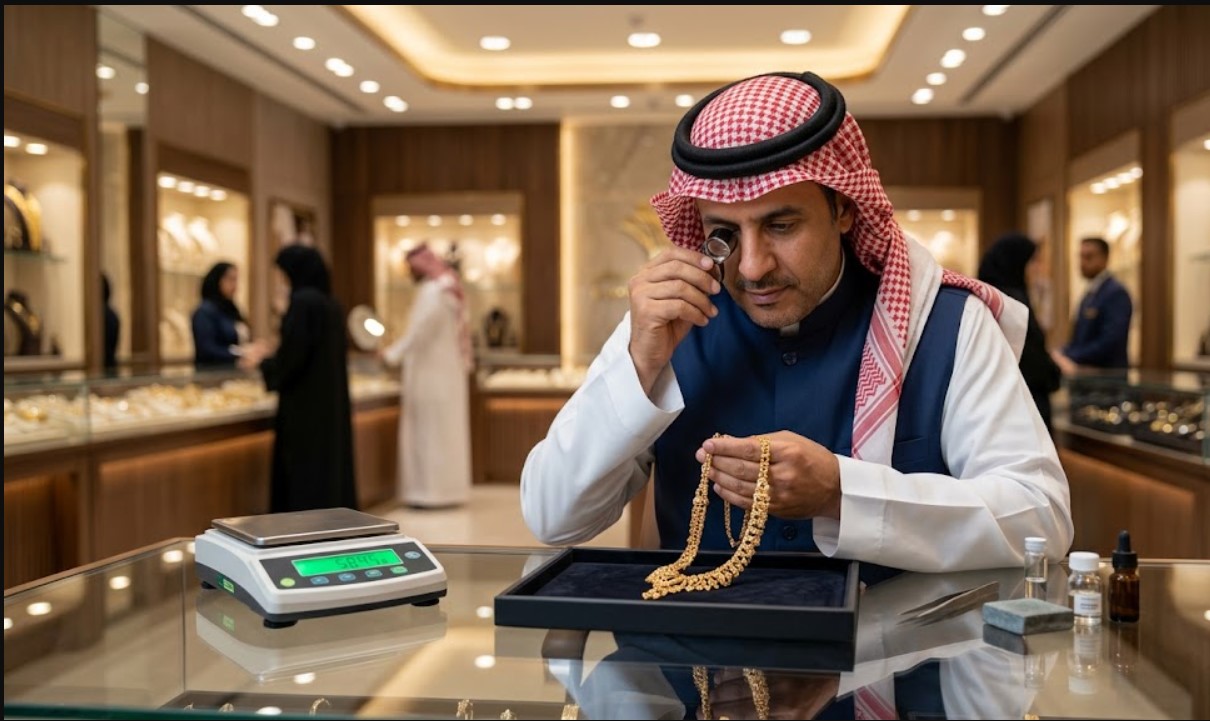
In the dynamic financial landscape of Saudi Arabia, securing immediate liquidity through asset pledging—traditionally known as Rahn—remains a highly popular and culturally ingrained practice. Whether an individual is looking to leverage personal jewelry for emergency funds or a business is utilizing bullion to bridge a temporary cash flow gap, the foundational pillar of this transaction is trust. This trust is built entirely upon a precise and transparent metal appraisal.
For borrowers, understanding how pledged metals are valued ensures they receive a fair valuation for their precious assets. For pawnbrokers, jewelers, and financial institutions, executing an accurate gold valuation is critical to mitigating risk and ensuring profitable, compliant operations. In this comprehensive guide, we will explore the intricate methodologies, essential factors, and advanced technological systems that dictate the true pawn value of pledged metals.
Also read: How to Protect Your Rights When Pawning Metals: Clauses You Should Never Ignore
The Core Concept of Metal Appraisal in Secured Lending
A metal appraisal within the context of a pawn transaction is fundamentally different from an insurance appraisal or a retail valuation. When you purchase a piece of gold jewelry, you pay a premium for the craftsmanship, the brand name, the design, and the retailer’s overhead. However, when you pledge that same piece of jewelry for a short-term collateral loan, the pawnbroker is primarily interested in the intrinsic value of the raw materials.
The collateral value is the maximum amount of capital a lender is willing to risk against your asset. If a borrower defaults on their loan, the lender must be able to liquidate the pledged metal quickly on the open market to recover the principal amount and any accrued fees. Therefore, the appraisal process strips away subjective elements like aesthetic appeal and focuses purely on objective, scientifically measurable metrics: weight, purity, and the current global market price.
Achieving absolute accuracy in this process is non-negotiable. An overvaluation exposes the lending institution to severe financial risk if the borrower defaults. Conversely, an undervaluation can drive customers away to competitors and damage the institution’s reputation in the highly competitive Saudi market.
Factor 1: Weight and Mass
The first and most straightforward step in any metal appraisal is determining the exact physical weight of the item. In the precious metals industry, weight is predominantly measured in grams or troy ounces (one troy ounce is equivalent to approximately 31.1035 grams).
In Saudi Arabia, regulatory authorities strictly mandate that businesses dealing in precious metals use highly calibrated, commercial-grade digital scales. These scales must be certified and regularly inspected to ensure they are accurate to at least a hundredth of a gram (0.01g).
During the weighing process, appraisers must be vigilant about non-metal additions. If a piece of gold jewelry contains gemstones, enamel, glass, or heavy clasps made of different materials, the weight of these non-precious components must be estimated and subtracted from the gross weight. The goal is to isolate the net weight of the precious metal itself, as this is the only portion that contributes to the underlying collateral value.
Factor 2: The Purity Test and Karatage
Weight alone is meaningless without knowing the exact proportion of precious metal contained within the item. Gold, in its absolute pure form (24 karats), is extremely soft and malleable, making it impractical for daily wear jewelry. To increase durability, gold is alloyed with other metals such as copper, silver, zinc, or palladium.
Determining the exact ratio of pure gold to alloyed metals is known as a purity test. This is the most critical phase of the appraisal, and it directly dictates the final valuation. There are several methods utilized in the industry today, ranging from traditional to highly advanced:
- The Acid Scratch Test: This is the most common and traditional method used by local pawnbrokers. The appraiser rubs the gold item against a specialized testing stone to leave a thin streak of metal. Different concentrations of nitric acid are then applied to the streak. The chemical reaction (or lack thereof) indicates the karat purity. While cost-effective, it requires high operator skill and only tests the surface of the metal.
- Electronic Testers: These handheld devices measure the electrical conductivity of the metal to determine its purity. They are faster than acid tests and do not require hazardous chemicals, but they can sometimes be tricked by heavy gold plating.
- X-Ray Fluorescence (XRF) Spectrometers: This is the gold standard for modern, professional metal appraisal. An XRF machine bombards the item with X-rays, causing the atoms to emit secondary X-rays. The machine analyzes these emissions to provide an exact, non-destructive breakdown of every element present in the item, down to a fraction of a percent. For institutions managing high-value pledges, XRF ensures an indisputable fair valuation.
Common Gold Purity Levels and Their Appraisal Implications
Understanding karatage is essential for calculating the intrinsic value of the pledge. The table below outlines the standard purity levels commonly encountered in the Saudi market and how they impact the appraisal.
| Karat (K) | Pure Gold Percentage | Typical Usage in the Market | Appraisal Impact & Liquidity |
|---|---|---|---|
| 24K | 99.9% | Investment bullion bars and special coins. | Highest collateral value. Easiest to appraise and liquidate. No deduction for alloys. |
| 22K | 91.6% | Traditional Saudi and Middle Eastern jewelry. | Very high collateral value. Highly liquid in regional markets. |
| 21K | 87.5% | Standard regional jewelry and decorative pieces. | High collateral value. The standard baseline for many local pawn evaluations. |
| 18K | 75.0% | Modern, intricate jewelry and luxury watches. | Moderate collateral value. Requires careful weighing due to frequent gemstone inclusions. |
| 14K | 58.3% | Imported Western jewelry; rare in local markets. | Lower collateral value. Requires significant discounting for alloy content. |
Factor 3: The Global Market Price
Once the exact weight and purity of the metal are established, the appraiser must benchmark these metrics against the real-time global commodities market. Precious metals are traded 24 hours a day on international exchanges, most notably the London Bullion Market Association (LBMA) and the COMEX in New York.
The market price (often referred to as the spot price) is the current price at which one troy ounce of pure 24K gold can be bought or sold for immediate delivery. Because the spot price fluctuates by the minute based on global economic indicators, inflation rates, and geopolitical events, pawnshops must have access to live, real-time data to execute an accurate gold price calculation.
In the context of the Saudi market, this global USD spot price must be instantly converted to Saudi Riyals (SAR). A fair appraisal will always use the spot price at the exact moment the contract is being drafted. If an institution uses outdated, end-of-day pricing during a market rally, the customer loses out. Conversely, using outdated prices during a market dip severely exposes the lender.
Factor 4: Deductions, Margins, and Loan-to-Value (LTV) Ratios
It is a common misconception among borrowers that a pawnbroker will hand over cash equivalent to 100% of the calculated spot market price. In reality, pawnshops and financial institutions operate using a Loan-to-Value (LTV) ratio.
When securing a loan against pledged metals, the institution will typically offer between 60% to 85% of the total appraised melt value. This deduction is a necessary risk management strategy for several reasons:
- Market Volatility Protection: Because the loan terms may stretch from 30 days to several months, the global spot price could crash during that period. The LTV margin ensures that even if the market drops, the collateral value still covers the principal loan amount.
- Liquidation and Smelting Costs: If a borrower defaults, the institution cannot simply sell the jewelry at retail price. The items must often be sent to a refinery to be melted down, assayed, and re-cast into bullion. Refineries charge fees for this service, which must be factored into the initial appraisal margin.
- Storage and Insurance: Pledged metals must be stored in highly secure, climate-controlled, and fully insured vaults. The operational costs of maintaining this security are factored into the overall risk profile of the loan.
The Mathematics: A Step-by-Step Gold Price Calculation
To truly understand how a fair valuation is achieved, let us look at a practical, mathematical example of a gold price calculation for a pawn loan in Saudi Arabia.
Imagine a borrower brings in a gold necklace to pledge.
- Determine Gross Weight: The scale shows the necklace weighs 50.00 grams.
- Determine Purity: The XRF scanner confirms the necklace is exactly 21 Karat gold.
- Calculate Fine Gold Content: To find the actual amount of pure 24K gold within the item, the appraiser divides 21 by 24, resulting in 0.875 (87.5%). Multiplying 50 grams by 0.875 gives a fine gold weight of 43.75 grams.
- Check Market Price: The appraiser checks the live spot price. Let us assume the current global spot price equates to 300 SAR per gram of pure 24K gold.
- Calculate Total Melt Value: 43.75 grams of pure gold multiplied by 300 SAR equals a total intrinsic melt value of 13,125 SAR.
- Apply the LTV Ratio: The institution’s policy offers an 80% Loan-to-Value ratio for high-purity gold. 13,125 SAR multiplied by 0.80 results in a maximum pawn loan offer of 10,500 SAR.
This transparent, step-by-step formula ensures that the borrower understands exactly how their asset is being evaluated, fostering a relationship built on clarity and trust.
The Role of Advanced Technology in Modern Pawning Operations
The days of manual ledgers, handwritten receipts, and basic calculators are rapidly disappearing from the Saudi precious metals sector. The complexity of managing hundreds of daily appraisals, tracking fluctuating spot prices, and maintaining stringent regulatory compliance requires robust digital infrastructure.
For modern enterprises managing pledged assets, investing in specialized resource planning specifically tailored for the gold industry is the ultimate competitive advantage. A comprehensive Gold ERP system automates the entire valuation process. When an appraiser places an item on a digitally integrated scale, the exact weight is transmitted directly to the software. The software simultaneously pulls the live, to-the-second global spot price, applies the institution’s predefined LTV ratios, and generates a mathematically flawless appraisal document instantly.
This level of automation eliminates the risk of human error in the gold price calculation. Furthermore, by utilizing a broader business ERP ecosystem, pawnbrokers can seamlessly link their front-end appraisal desks with their back-end inventory and vault management systems. Every piece of pledged metal is tracked with a unique digital identifier, ensuring that the exact item appraised is the exact item securely stored and eventually returned to the customer.
Manual Appraisal vs. Digitally Integrated ERP Appraisal
The shift toward digital transformation dramatically impacts the efficiency and accuracy of metal appraisals.
| Appraisal Feature | Traditional Manual Process | Automated Gold ERP System |
|---|---|---|
| Spot Price Tracking | Manual checking of websites; prone to delays. | Live, API-driven updates by the second. |
| Calculation Accuracy | Relies on human math; high risk of simple errors. | 100% automated calculations based on scanned data. |
| Transaction Speed | Slow (15-20 minutes per item). | Instantaneous processing and document generation. |
| Regulatory Compliance | Difficult to audit and trace historically. | Full digital trail, easily audited. |
| Customer Transparency | Customer must trust the appraiser’s manual notes. | Customer views a clear, itemized digital breakdown. |
Integrating Financials and Compliance into the Appraisal Workflow
A successful pawn operation is not just about executing a single accurate metal appraisal; it is about how that transaction integrates into the broader financial health of the business. Every time capital is disbursed against collateral, it impacts the company’s liquidity, risk profile, and daily cash flow.
By feeding appraisal data directly into the company’s financials module, business owners gain real-time visibility into their total capital exposure versus their total vault assets. This allows management to make informed decisions regarding when to tighten LTV ratios or when they have the liquidity to aggressively acquire new pledges.
Moreover, compliance with Saudi Arabia’s Zakat, Tax and Customs Authority (ZATCA) is paramount. The generation of compliant, digital records for every financial transaction is mandatory. Through integrated E-invoicing solutions, businesses ensure that every appraisal fee, storage charge, and loan disbursement is immediately recorded and reported according to governmental standards, eliminating the risk of fines and operational shutdowns.
Conclusion: How Are Pledged Metals Valued Accurately
Accurately valuing pledged metals is a highly scientific, data-driven process that requires a delicate balance of physical testing and real-time market analysis. The true pawn value of an asset is dictated not by its beauty, but by its verifiable weight, precise karat purity, and the unyielding global spot price. As the market in Saudi Arabia continues to evolve, the institutions that prioritize transparent, fair valuation methods—supported by sophisticated, industry-specific digital management systems—will be the ones that earn the enduring trust of their clients and achieve long-term operational success.
Frequently Asked Questions (FAQs)
With modern technology, a professional appraisal is incredibly fast. If the institution utilizes electronic testers or XRF scanners combined with automated calculation software, a single piece of jewelry can be accurately weighed, tested, and evaluated within 3 to 5 minutes.
No. The retail price includes significant markups for design, brand prestige, labor, and retailer profit margins. A pawn appraisal evaluates strictly the intrinsic melt value of the raw precious metal contained within the item, minus the lender's risk margins (LTV ratio).
Yes. While a hallmark (like "21K" or "750") is a good initial indicator, professional appraisers never rely on stamps alone, as they can be easily forged. An appraiser will always conduct an independent purity test using acid or electronic spectrometers to verify the exact gold content before making a loan offer.
Because pawn valuations are directly tied to the global commodities market, the underlying value of precious metals changes continuously throughout the trading day. Therefore, a gold price calculation provided by an appraiser is typically only valid for that specific moment in time. If you return to the shop the next day, the appraisal offer may be slightly higher or lower depending on market movements.